India and SACU Move to Deepen Trade Relations
South Africa · TRADE
Key Facts
—Terms signed: India and the Southern African Customs Union signed terms of reference on 12 August 2026 to restart preferential trade agreement negotiations.
—Bloc members: SACU comprises South Africa, Botswana, Namibia, Lesotho and Eswatini, and is the world’s oldest customs union.
—Trade value: India exported $7.5 billion in goods to SACU in 2025/26 and imported $9.2 billion, with South Africa dominating the commerce.
—Concentration: South Africa takes the bulk of the trade, accounting for about $7 billion of India’s $7.5 billion in exports to the bloc.
—Timeline: Negotiations are expected to begin within a month of the signing and conclude within a year.
—History: India-SACU preferential trade agreement talks began in 2002, with five rounds held until 2010 before stalling.
India and the Southern African Customs Union signed terms of reference on 12 August 2026 to restart long-stalled preferential trade agreement negotiations, targeting talks to begin within a month and conclude within a year.
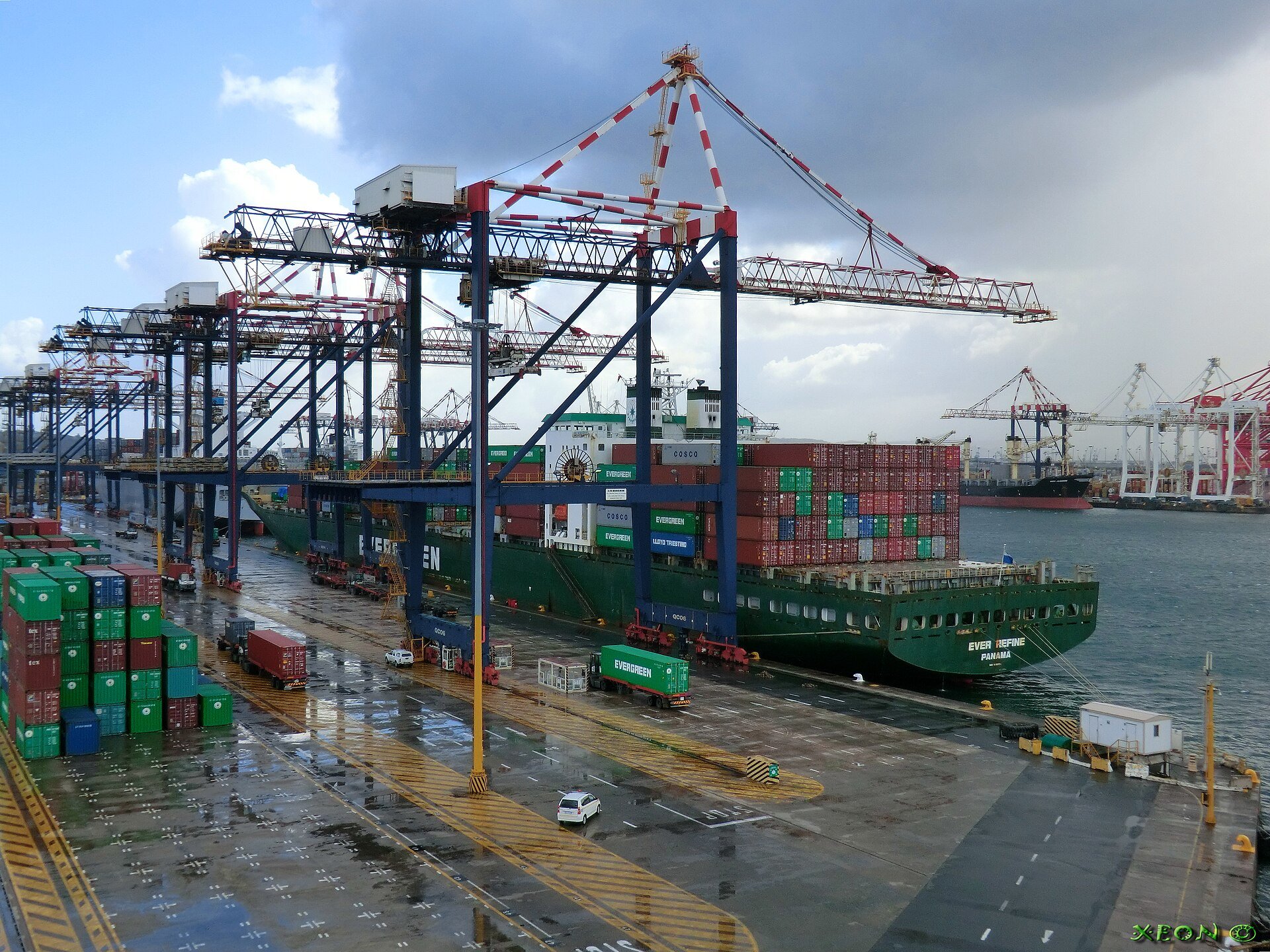
India SACU trade talks resume after years of delay
India and the Southern African Customs Union have revived negotiations on a preferential trade agreement after more than a decade of stalled progress. The two sides signed terms of reference on 12 August 2026, setting the framework for formal talks.
The Indian Commerce Ministry says negotiations are expected to begin within a month and finish within a year. Earlier rounds began in 2002, with five meetings held until 2010 before the process lost momentum.
The pact would cover trade in goods, market access, customs procedures, sanitary and phytosanitary measures, technical barriers to trade, trade remedies, rules of origin and dispute settlement. It would be limited to selected tariff lines rather than all trade, consistent with World Trade Organization rules for preferences among developing countries.
What India wants from the Southern African bloc
New Delhi is seeking preferential access for automobiles, auto components, pharmaceuticals, industrial machinery and related goods. These sectors represent core Indian export strengths and would benefit from reduced tariff barriers in the five-member bloc.
The signing of terms of reference does not reduce tariffs immediately. It establishes the negotiating framework, with actual tariff concessions to be agreed in the coming months.
India’s total trade with Africa reached about $82 billion in the 2024/25 fiscal year, making it the continent’s fourth-largest trading partner. Indian investment across Africa is estimated at over $75 billion.
South Africa dominates the commercial relationship
India exported $7.5 billion in goods to SACU in 2025/26 and imported $9.2 billion, putting two-way trade at about $16.8 billion, according to Indian Commerce Ministry figures. South Africa alone took roughly $7 billion of those exports, dominating the commercial relationship.
SACU is the world’s oldest customs union, meaning its members negotiate external tariffs together. That makes the pact more consequential than a bilateral India-South Africa discussion alone, even though South Africa is the main commercial partner in practice.
The relationship remains concentrated in a few commodities and sectors, which makes tariff reduction politically attractive but technically sensitive for Pretoria. South Africa also wants to use SACU to improve bargaining power in a world of fragmented trade rules.
Critical minerals and the Global South strategy
Reporting around the talks highlights cooperation in critical minerals, especially through the India-Namibia channel, alongside pharmaceuticals and manufacturing. This fits India’s need to secure input supplies for industry and clean-energy supply chains.
Southern African states want investment, industrialization and more diversified export markets. A SACU deal would be India’s first major trade agreement with an African regional bloc, deepening its South-South economic links.
India is competing for influence in a region where China, the European Union and the United States already have entrenched commercial and diplomatic weight. The pact sits alongside SACU’s other negotiations with COMESA, the East African Community, the Southern African Development Community, the European Free Trade Association and the African Continental Free Trade Area.
Why the India SACU trade pact matters now
The revival comes as major powers compete for access to African markets and resources. India sees the pact as a way to enter a rule-setting space in southern Africa without negotiating country by country.
For SACU members, deeper integration with one of the world’s fastest-growing major economies offers an alternative to over-reliance on traditional partners. The deal would formalize India’s biggest Africa trade relationship in a bloc led by South Africa.
The broader contest over supply chains, critical minerals and market access in the Global South frames the negotiations. This fits the pattern covered in Africa: The New Scramble, where external powers are deepening their footprint across the continent.
What to watch in the coming year
The first test is whether negotiations actually begin by mid-September 2026, as the terms of reference anticipate. A successful launch would signal political commitment on both sides.
The second test is the scope of tariff lines included in the final agreement. India’s export priorities in automobiles, pharmaceuticals and machinery will need to be balanced against SACU members’ sensitivity about protecting local industry.
The one-year target for concluding negotiations is ambitious given the history of delays. Progress on rules of origin and dispute settlement will indicate whether the deal can be completed on schedule.
More: South Africa news in English, every day from The Rio Times.
Frequently Asked Questions
What is the India SACU preferential trade agreement?
It is a proposed trade deal between India and the Southern African Customs Union covering goods, market access, customs procedures and dispute settlement, limited to selected tariff lines.
Which countries are members of SACU?
SACU comprises South Africa, Botswana, Namibia, Lesotho and Eswatini, and is the world’s oldest customs union.
When will the India SACU trade negotiations conclude?
Negotiations are expected to begin within a month of the 12 August 2026 signing and conclude within a year.
Connected Coverage
The India-SACU negotiations fit the wider pattern of external powers competing for African markets and minerals covered in Africa: The New Scramble.
Sources
This article was produced by The Rio Times’ automated newsroom system. How we use AI · Report an error
LatAm Markets: Live Signals → — real-time movers, turnover leaders and FX across Latin America.
Read More from The Rio Times