SARB Hikes to 7% as November Municipal Elections Test the Rand Outlook
Markets · South Africa
Key Facts
- —The spot USD/ZAR traded near 15.98 on 4 September 2026, close to its level all week.
- —The policy path SARB hiked its repo rate to 7% on 28 May 2026, then held it there on 23 July.
- —The inflation risk SARB expects headline inflation to average 4.4% in 2026 and 3.7% in 2027, above its new 4% ceiling.
- —The political fault line Local elections on 4 November 2026 will test the Government of National Unity.
- —The catch Firmer gold and platinum prices support the rand, but the election and inflation both carry risk.
The rand enters September near 16 to the dollar. South Africa’s central bank hiked once this year, in May, then held steady in July.
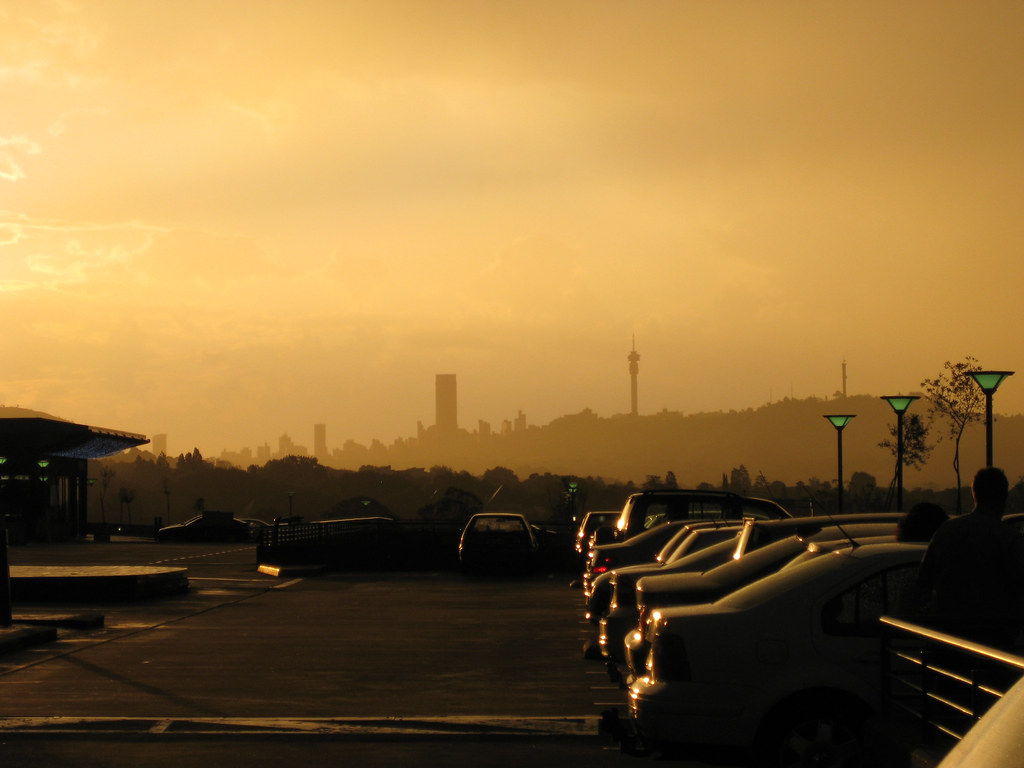
Local politics is heading toward municipal elections on 4 November 2026. That vote, plus the inflation fight, will shape the rand’s path into 2027.
USD/ZAR at 15.98: the starting point
On Friday, 4 September 2026, the rand traded at 15.98 to the US dollar. The session ranged between 15.98 and 16.00.
The rand closed the prior session at 15.99 to the dollar. It has firmed slightly since 1 September, when it traded near 16.17.
That is close to where the rand stood in mid-August, when Wise recorded a mid-market rate of 16.15. South Africa’s Revenue Service used a customs rate near 16.40 on 2 September, a small routine gap from the market price.
The rand’s next big test is South Africa’s local elections on 4 November 2026, covered below.
A weaker rand makes imported fuel and food more expensive for South African households. A stronger rand does the opposite, which is why so many people track this number.
What the Reserve Bank just did
The South African Reserve Bank, or SARB, is South Africa’s central bank. Its Monetary Policy Committee, or MPC, meets six times a year to set the repo rate, the rate SARB charges commercial banks.
The MPC last raised rates on 28 May 2026. It lifted the repo rate by 0.25 percentage points to 7%, from 6.75%, effective 29 May.
Four of six MPC members voted for the increase; two preferred to hold. It was SARB’s first rate rise since 2023, following a run of cuts in 2025.
Governor Lesetja Kganyago said inflation risks had grown, and that overlapping shocks could spread through the economy.
SARB met again on 23 July 2026 and held the repo rate at 7%. Four members backed the hold; two wanted a further increase.
So the repo rate has stood at 7% since 29 May 2026, and was left unchanged at the most recent meeting. That is the current level as this article goes to print.
Why inflation forced SARB’s hand
South Africa‘s inflation target changed in late 2025. The National Treasury and SARB lowered it from a 3%-to-6% range to a 3% target, with a point of leeway either way.
That makes the acceptable range 2% to 4%, tighter than before. Inflation above 4% now threatens SARB’s credibility, where 4.5% or more once was the line.
Consumer prices rose 5.0% in June 2026, according to Statistics South Africa, the national statistics agency known as StatsSA. That was well above the new 4% ceiling.
Price growth eased to 4.3% in July 2026, StatsSA said, but still above the limit. SARB’s own May forecast expects headline inflation to average 4.4% for all of 2026, easing to 3.7% in 2027.
What happens to interest rates next
Before this year’s price shocks, SARB’s forecasting model pointed to further cuts, taking the repo rate below 6% by 2027. Those old forecasts no longer apply after the May hike and July hold.
SARB is now focused on pulling inflation back under 4% before it considers easing again. Kganyago has said growth is weak, but inflation is still too high to justify cutting rates.
If July’s cooling in prices continues, SARB could simply hold rates for the rest of 2026. If inflation picks up again, another small increase is possible.
Higher rates make home loans and other debt more expensive for South Africans. They also make it more attractive for foreign investors to hold South African government bonds.
Gold and platinum still drive the rand
South Africa earns much of its foreign currency by exporting gold and platinum. When world prices for these metals rise, the rand tends to benefit.
Gold prices climbed sharply through August 2026, nearing US$4,600 an ounce by 21 August. Platinum broke above US$1,900 an ounce for the first time since early June.
A weaker US dollar drove much of this move, along with investor demand for safe assets. Higher metal prices lift South Africa’s export earnings and can ease pressure on the rand.
The municipal elections on 4 November
South Africa will hold local government elections on 4 November 2026, a date President Cyril Ramaphosa announced on 30 April. Minister Velenkosini Hlabisa formally gazetted it on 7 August 2026.
Voters will elect councillors for all 8 metropolitan municipalities and all 205 local municipalities. They will also choose 40% of councillors in the country’s 44 district municipalities.
It is the first local vote since South Africa’s Government of National Unity, or GNU, was formed in 2024. The GNU is a 10-party coalition led by the African National Congress, with the Democratic Alliance as its largest partner.
The coalition has faced budget disputes and several threats by partners to walk out, though none has yet done so. A calm election would likely reassure bond and share investors; a messy result in a major metro could unsettle the rand.
Interest rates, the dollar and foreign money
South Africa’s 7% repo rate is high next to many other emerging markets. That gap can draw foreign money into South African bonds when global investors feel confident, a pattern traders call the carry trade.
A weaker US dollar generally helps the rand and other emerging-market currencies. If the US Federal Reserve cuts its own rates further, that gap could widen in South Africa’s favour.
This kind of investment can reverse fast when global sentiment sours. Investors often sell higher-yielding emerging markets first when they grow nervous, even when local conditions look fine.
Background: Brazil Poll: Flávio Bolsonaro Closes on Lula and Edges Ahead in Run-Off.
More: South Africa news in English, every day from The Rio Times.
The big picture: South Africa explained — economy, politics, society and daily life in one read.
What to watch into 2027
Three things will shape the rand’s path from here. First, whether SARB needs to raise rates again, or can start cutting once inflation falls back under 4%.
Second, whether the 4 November election produces a stable result or deepens strain inside the coalition. Third, whether gold and platinum prices keep supporting South Africa’s trade earnings.
The 15.98 level on 4 September 2026 is a snapshot, not a forecast. SARB’s next rate decision and the election result are the two biggest swing factors for the months ahead.
Connected Coverage
Brazil and South Africa Talk Trade as US Tariffs Push Them Together
Eskom’s Best Grid Year in Six Comes With a US$187 Million Caveat
Two Mexicans, Three Zimbabweans in Court Over Limpopo Meth Lab
The Big Picture
More from the South Africa section
Latest developments
- South Africa Asylum Rules After the Unrest — 10 October 2026
- Botswana With 130,000 Elephants Says Transfers Stall — 10 October 2026
- Zimbabwe Stadium Can Admit 10,000 Fans for 2 Matches — 10 October 2026
- South Africa Sends Army to Durban After Days of Unrest — 10 October 2026
This article was produced by The Rio Times’ automated newsroom system. How we use AI · Report an error · Editorial responsibility: Matthias Camenzind, Editor-in-Chief
Expat Guide to South Africa
What The Rio Times publishes for foreigners who live in or move to South Africa.
Start here
- Best Places to Live in South Africa for Expats 2026
- South Africa Taxes for Expats 2026: What You Pay
- South Africa Remote Work Visa 2026: Rules and Income
- Moving to South Africa: Visa Route Decides Everything, 54,000 Applications Overdue at Home Affairs
City guides
Cape Town, Johannesburg, Durban
Coming up in South Africa
- Sjava 10 Year Celebration Tour Ends Sold Out in South Africa on 23 October 23 Oct
- Soweto Derby Tickets Sold Out for 31 October 31 Oct
- Kruger Park Fees Rise to US$42 a Day on 1 November 1 Nov
- Kunye Jozi XI Fills Johannesburg's Huddle Park on 7 November 7 Nov
Understand South Africa