
Africa: Global Labour
The International Labour Organization (ILO), the United Nations agency that sets global rules for work, has re-elected Gilbert F. Houngbo of Togo as its Director-General. Its Governing Body, the board that steers the agency, voted in Geneva on Monday 16 November 2026.
Houngbo won a second five-year term in a secret ballot, with 51 votes in favour and five abstentions. He was the only candidate left, because two rivals had withdrawn before the vote.
The ILO writes the international labour standards that its 187 member states, including the United States, are asked to apply. A reader in the US therefore has a stake in who runs the agency and what it puts first.
Key Facts
- Who. Gilbert Houngbo, Togo’s former prime minister, is the ILO’s first African Director-General.
- Vote. 51 votes in favour and five abstentions in a secret ballot on Monday 16 November 2026.
- Term. His second five-year term runs from 1 October 2027 to 30 September 2032.
- Rivals. Two other candidates, from Spain and Peru, withdrew before the vote.
- Agenda. Houngbo names artificial intelligence at work as a key challenge ahead.
A secret ballot in Geneva gave Gilbert Houngbo five more years at the head of the UN’s labour agency, as it turns to the impact of artificial intelligence on work.
The Big Picture
Houngbo was elected on 25 March 2022 and has led the ILO since October 2022, as its 11th Director-General and the first African in the post. The ILO, founded in 1919, has 187 member states.
Houngbo was prime minister of Togo, a West African country on the Gulf of Guinea, from 2008 to 2012. Readers can follow the country in our Togo coverage and our wider Africa coverage.
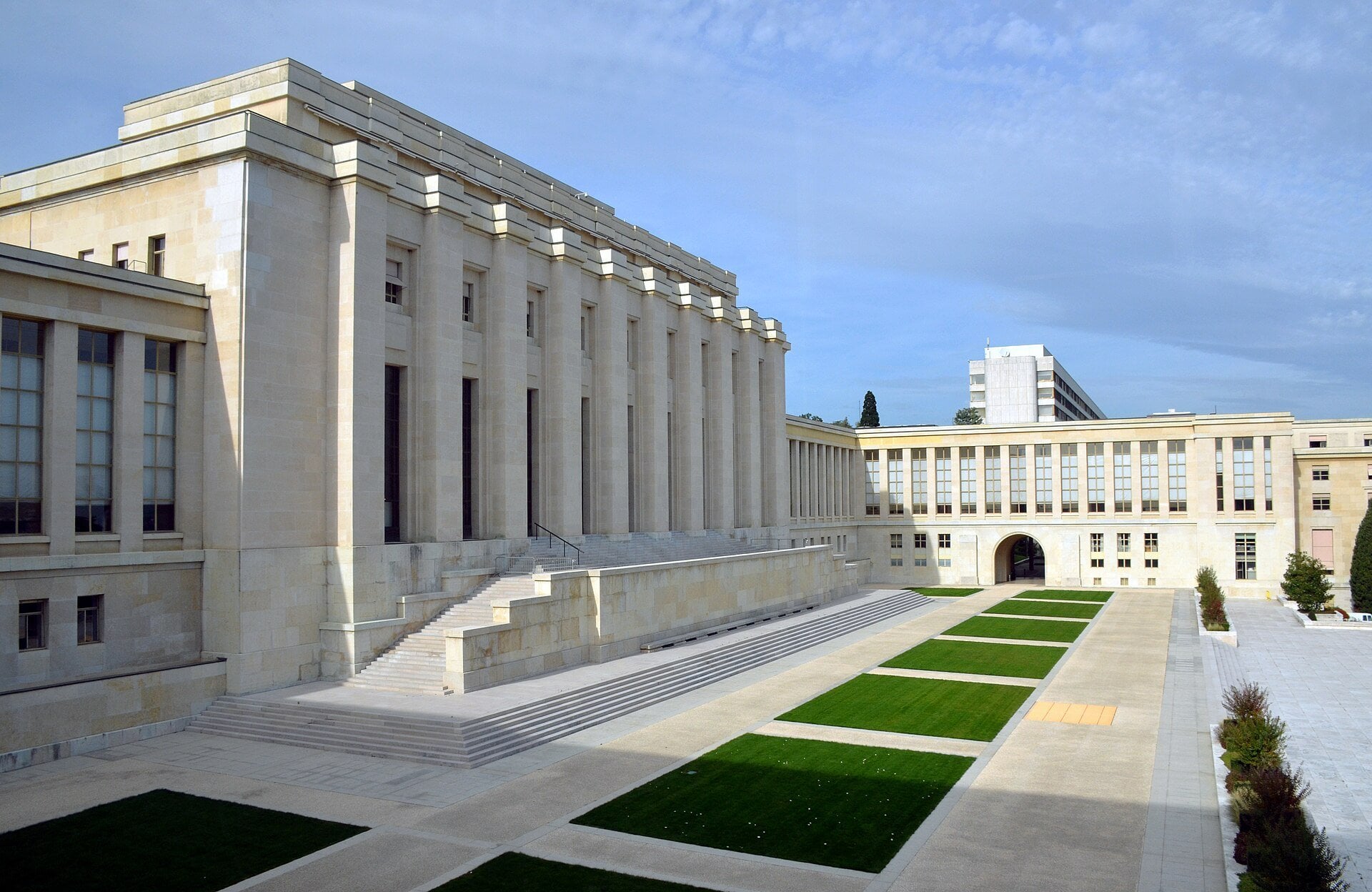
What Happened in Geneva
The Governing Body met for its 358th Session, where members voted by secret ballot. A candidate needs more than half of the 56 members entitled to vote, and Houngbo received 51 votes in favour with five abstentions.
Yolanda Díaz Pérez, Spain’s labour minister, and Peru’s candidate Javier González-Olaechea Franco withdrew before the vote. A public interactive event with the candidates had been held on Wednesday 23 September 2026.
After the vote, Houngbo stressed that tripartism, the cooperation of governments, employers and workers, remains a core principle of the ILO. He said differences of opinion should not prevent the parties from working together on solutions.
Houngbo named the impact of artificial intelligence on the world of work as one of the key challenges ahead. He said technological progress should remain at the service of people.
Why It Matters
The ILO is the body where governments, employers and workers negotiate labour rules together. Its choice of leader sets the tone for how it handles questions such as artificial intelligence at work.
What Is Not Known
A detailed second-term work plan with dates has not been made public. How individual members voted in the secret ballot is also not known.
What It Means for You
For a reader in the United States, one of the ILO’s 187 member states, the result means continuity at the agency that sets international labour rules, with artificial intelligence at work now on its agenda. Nothing changes overnight, because his new term only begins on 1 October 2027.
Houngbo’s home country is also in the news on money matters, as our earlier report on Togo’s proposed 2027 budget shows. That report is separate from the ILO vote.
What to Watch
The one confirmed date is 1 October 2027, when Houngbo’s second term begins and runs to 30 September 2032. No second date is confirmed yet.
Watch how the ILO turns the artificial intelligence challenge into concrete work. No dates for such steps are confirmed.
Frequently Asked Questions
What is the ILO?
The International Labour Organization is the United Nations agency for work and labour standards, founded in 1919. It has 187 member states.
Who is Gilbert Houngbo?
Houngbo is a former prime minister of Togo who has led the ILO since October 2022. He is the 11th Director-General and the first African in the post.
How did the vote go?
The Governing Body voted by secret ballot on Monday 16 November 2026, with 51 votes in favour and five abstentions. A candidate needs more than half of the 56 members entitled to vote.
When does his new term start?
His second five-year term runs from 1 October 2027 to 30 September 2032. Until then he continues in the post he has held since October 2022.
This article was produced by The Rio Times’ automated AI newsroom. Editorial responsibility: Matthias Camenzind, Publisher and Editor-in-Chief. The Rio Times also runs Ask Rio Times, which answers from 100,000+ of our own articles, the daily Latin America Power Map, and prediction-market odds on elections and markets.. How we use AI · Report an error