IBOV 166,506.98 ▲ 0.19% IPC MEX 71,087.56 ▲ 0.38% MERVAL 2,848,945 — — USD/BRL5.50▼ 0.03% USD/MXN18.64▼ 0.62% USD/CLP981.00▲ 0.25% USD/COP3,240▲ 0.38% USD/PEN3.43▼ 0.45% USD/ARS1,545▼ 0.03% USD/UYU40.31▲ 3.48% USD/PYG6,358▲ 8.23% USD/BOB11.81▲ 0.40% USD/DOP60.59▲ 0.48% USD/CRC448.27▲ 1.89% USD/GTQ7.64▲ 3.24% USD/HNL26.88▲ 3.25% USD/NIO36.62▲ 2.77% USD/VES893.88▼ 0.13% USD/PAB1.00— 0.00% USD/BZD2.00— 0.00% USD/JMD157.99▲ 2.90% USD/TTD6.72▲ 2.39% EUR/BRL6.14▲ 0.13% BRENT 98.16 ▼ 0.13% WTI 90.68 ▲ 0.18% IRON ORE 161.91 — — COPPER 6.25 — 0.00% GOLD 4,046 ▼ 1.65% SILVER 51.57 ▼ 1.28% SOY 1,190 ▲ 0.74% CORN 440.25 ▲ 0.06% WHEAT 588.50 ▼ 1.79% COFFEE 277.15 — 0.00% SUGAR 18.29 ▼ 1.45% ORANGE JUICE 136.75 ▲ 6.46% COTTON 78.34 ▼ 0.47% COCOA 5,320 ▲ 2.68% BEEF 214.48 ▼ 1.62% CATTLE 325.08 ▼ 2.09% LITHIUM 60.29 ▲ 0.17% PETR4 45.52 ▼ 0.94% VALE3 62.45 ▼ 0.35% ITUB4 40.17 ▲ 0.50% BBDC4 14.10 ▲ 2.40% ABEV3 15.55 ▲ 0.45% BBAS3 16.79 ▲ 1.82% B3SA3 14.39 ▲ 0.21% WEGE3 47.70 ▼ 1.24% PRIO3 61.17 ▼ 0.60% SUZB3 51.48 ▼ 1.55% RENT3 29.71 ▲ 2.20% AZZA3 14.54 ▲ 3.41% CSAN3 2.72 ▲ 8.80% RAIZ4 27.30 ▼ 0.98% PCAR3 2.47 ▲ 3.35% GMAT3 3.86 ▲ 4.04% PSSA3 43.86 ▲ 0.34% CVCB3 0.85 ▲ 3.66% POSI3 3.12 ▲ 0.32% SLCE3 16.29 ▼ 0.37% NATU3 5.36 ▲ 0.19% BRKM5 3.09 ▲ 1.98% RANI3 8.54 ▲ 0.95% CSNA3 4.06 ▲ 0.25% IBOV 166,506.98 ▲ 0.19% IPC MEX 71,087.56 ▲ 0.38% MERVAL 2,848,945 — — USD/BRL 5.50 ▼ 0.00% USD/MXN 18.66 ▼ 0.51% USD/CLP 982.50 ▲ 0.40% USD/COP 3,244 ▲ 0.50% USD/PEN 3.43 ▼ 0.42% USD/ARS 1,545 ▼ 0.03% USD/UYU 40.31 ▲ 3.48% USD/PYG 6,358 ▲ 8.23% USD/BOB 11.81 ▲ 0.40% USD/DOP 60.59 ▲ 0.48% USD/CRC 448.27 ▲ 1.89% USD/GTQ 7.64 ▲ 3.24% USD/HNL 26.88 ▲ 3.25% USD/NIO 36.62 ▲ 2.77% USD/VES 893.88 ▼ 0.13% USD/PAB 1.00 — 0.00% USD/BZD 2.00 — 0.00% USD/JMD 157.99 ▲ 2.90% USD/TTD 6.72 ▲ 2.39% EUR/BRL 6.14 ▲ 0.19% BRENT 98.16 ▼ 0.13% WTI 90.68 ▲ 0.18% IRON ORE 161.91 — — COPPER 6.25 — 0.00% GOLD 4,046 ▼ 1.65% SILVER 51.57 ▼ 1.28% SOY 1,190 ▲ 0.74% CORN 440.25 ▲ 0.06% WHEAT 588.50 ▼ 1.79% COFFEE 277.15 — 0.00% SUGAR 18.29 ▼ 1.45% ORANGE JUICE 136.75 ▲ 6.46% COTTON 78.34 ▼ 0.47% COCOA 5,320 ▲ 2.68% BEEF 214.48 ▼ 1.62% CATTLE 325.08 ▼ 2.09% LITHIUM 60.29 ▲ 0.17% PETR4 45.52 ▼ 0.94% VALE3 62.45 ▼ 0.35% ITUB4 40.17 ▲ 0.50% BBDC4 14.10 ▲ 2.40% ABEV3 15.55 ▲ 0.45% BBAS3 16.79 ▲ 1.82% B3SA3 14.39 ▲ 0.21% WEGE3 47.70 ▼ 1.24% PRIO3 61.17 ▼ 0.60% SUZB3 51.48 ▼ 1.55% RENT3 29.71 ▲ 2.20% AZZA3 14.54 ▲ 3.41% CSAN3 2.72 ▲ 8.80% RAIZ4 27.30 ▼ 0.98% PCAR3 2.47 ▲ 3.35% GMAT3 3.86 ▲ 4.04% PSSA3 43.86 ▲ 0.34% CVCB3 0.85 ▲ 3.66% POSI3 3.12 ▲ 0.32% SLCE3 16.29 ▼ 0.37% NATU3 5.36 ▲ 0.19% BRKM5 3.09 ▲ 1.98% RANI3 8.54 ▲ 0.95% CSNA3 4.06 ▲ 0.25%
since 2009
Friday, November 6, 2026

Latin America Mexico

How Global Supply Issues Push Mexico’s Food Inflation Beyond Regional Peers

By · July 4, 2025 · 2 min read

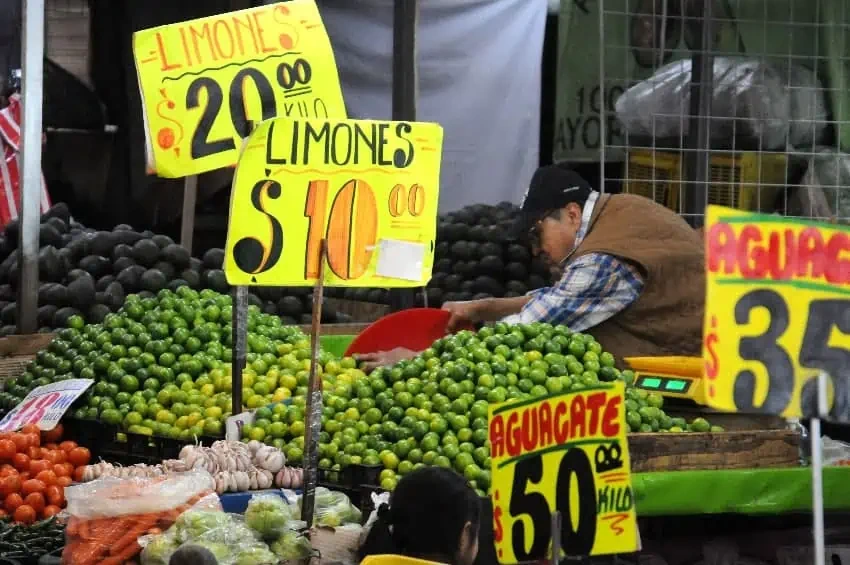
Mexico’s food prices jumped 5.1% in the year to May 2025, official OECD data shows, outpacing the average rise of 4.6% across the world’s developed economies.

This increase puts Mexico among the countries with the fastest-growing food costs in the OECD, just behind Turkey and Japan. The main reason for this spike is a shortage of chicken caused by bird flu outbreaks in the United States and Brazil.

These two countries supply most of Mexico’s imported poultry. With less chicken available, prices soared—by more than 28% in some areas. This made everyday meals more expensive for millions of families.

Free daily brief — no card needed
Get every Mexico story in one morning email
We build you a personalized brief around the topics you follow — free for 7 days. Love it? Your first month after that is US$1.

Other foods also became pricier. Tomatoes, papaya, and beef all saw notable price jumps. At the same time, energy costs in Mexico rose 3.5% over the year, while most OECD countries actually saw energy prices fall.

Higher energy bills make it even more expensive to produce and move food, adding to the inflation problem. Low-income families feel the pain the most. Many spend over half their income on food.
How Global Supply Issues Push Mexico’s Food Inflation Beyond Regional Peers
How Global Supply Issues Push Mexico’s Food Inflation Beyond Regional Peers.
RT
Ask Rio Times
Latin American markets, currencies and companies.
Open the full Ask Rio Times →

When prices rise, they have to buy less or switch to cheaper, less healthy options. This puts extra pressure on household budgets and can lead to poorer nutrition.

Mexico’s central bank is trying to manage inflation by adjusting interest rates, but food prices often do not respond quickly to these changes. The government has also tried to cap prices on basic foods, but supply problems and higher costs keep pushing prices up.

Mexico’s close trade relationship with the United States means that problems in U.S. markets quickly affect Mexican prices. This dependence on imports makes Mexico more vulnerable to global supply shocks and price swings.

Rising food prices matter for everyone. They squeeze family budgets, raise business costs, and can slow economic growth. For Mexico, the challenge is to strengthen local food production and reduce reliance on imports.

Until then, families will continue to feel the effects of global supply problems at the grocery store.

Key Facts

— Deep Dive

— For the complete picture, read our in-depth guide: Mexico Economy 2026: GDP, Peso, Nearshoring, Banxico and Trade

This article was produced by The Rio Times’ automated newsroom system. How we use AI · Report an error · Editorial responsibility: Matthias Camenzind, Editor-in-Chief

The Rio Times · Power Map
See who really holds power in Latin America
Click to open the Power Map →

Brazil runoff date: Sunday, October 25, poll closing times and when results start · Brazil runoff polls: Flávio 51%, Lula 49% · Kalshi and Polymarket odds

Rotate for Best Experience

This report is optimized for landscape viewing. Rotate your phone for the full experience.