IBOV 173,695.84 ▲ 1.04% IPSA 11,474.31 ▼ 0.55% IPC MEX 65,522.56 ▼ 0.38% MERVAL 2,982,634 ▼ 0.42% COLCAP 2,503.96 ▼ 0.27% BVL PERÚ 60,117.56 ▲ 0.70% USD/BRL5.15▼ 0.11% USD/MXN16.94▼ 0.06% USD/CLP911.95▼ 0.10% USD/COP3,088▲ 1.44% USD/PEN3.35▼ 0.06% USD/ARS1,512▲ 0.13% USD/UYU40.18▲ 1.06% USD/PYG5,968▲ 0.82% USD/BOB11.47▲ 0.68% USD/DOP58.01▲ 0.07% USD/CRC447.25▲ 0.82% USD/GTQ7.62▲ 2.02% USD/HNL26.82▲ 1.52% USD/NIO36.62▲ 0.58% USD/VES783.11▼ 0.13% USD/PAB1.00— 0.00% USD/BZD2.00— 0.00% USD/JMD 157.28 — 0.00% USD/TTD6.73▲ 0.97% EUR/BRL6.01▲ 0.23% BRENT 88.88 ▼ 0.03% WTI 83.11 ▼ 0.11% IRON ORE 161.91 — — COPPER 6.61 ▲ 0.03% GOLD 4,461 ▲ 1.78% SILVER 65.59 ▲ 1.26% SOY 1,184 ▲ 3.20% CORN 480.50 ▲ 10.02% WHEAT 655.00 ▲ 3.93% COFFEE 317.25 ▼ 5.51% SUGAR 16.43 ▼ 1.79% ORANGE JUICE 138.55 ▼ 0.47% COTTON 85.03 ▲ 2.33% COCOA 5,719 ▲ 3.18% BEEF 223.60 ▼ 3.93% CATTLE 339.10 ▼ 3.16% LITHIUM 75.20 ▲ 1.47% PETR4 41.64 ▼ 0.05% VALE3 72.97 ▲ 0.83% ITUB4 38.60 ▼ 1.03% BBDC4 16.85 ▲ 0.36% ABEV3 14.89 ▼ 0.80% BBAS3 19.37 ▲ 0.47% B3SA3 14.26 ▼ 0.21% WEGE3 47.59 ▲ 0.49% PRIO3 59.14 ▼ 0.19% SUZB3 41.33 ▲ 2.35% RENT3 34.68 ▼ 0.09% AZZA3 15.89 ▼ 2.63% CSAN3 3.22 ▼ 1.83% RAIZ4 0.25 — 0.00% PCAR3 2.75 ▼ 0.36% GMAT3 3.65 ▼ 1.08% PSSA3 48.13 ▼ 0.54% CVCB3 1.33 ▼ 2.92% POSI3 3.36 ▲ 2.44% SLCE3 13.34 ▲ 0.30% NATU3 8.14 ▼ 0.73% IBOV 173,695.84 ▲ 1.04% IPSA 11,474.31 ▼ 0.55% IPC MEX 65,522.56 ▼ 0.38% MERVAL 2,982,634 ▼ 0.42% COLCAP 2,503.96 ▼ 0.27% BVL PERÚ 60,117.56 ▲ 0.70% USD/BRL 5.16 ▲ 0.01% USD/MXN 17.06 ▼ 0.24% USD/CLP 913.98 ▲ 0.04% USD/COP 3,140 ▲ 0.03% USD/PEN 3.36 ▼ 0.66% USD/ARS 1,493 ▲ 0.10% USD/UYU 40.27 ▲ 1.24% USD/PYG 5,939 ▲ 1.68% USD/BOB 11.64 ▼ 0.76% USD/DOP 58.34 ▲ 1.25% USD/CRC 445.92 ▲ 0.89% USD/GTQ 7.62 ▲ 2.21% USD/HNL 26.79 ▲ 1.57% USD/NIO 36.62 ▲ 0.69% USD/VES 762.44 ▼ 0.13% USD/PAB 1.00 — 0.00% USD/BZD 2.00 — 0.00% USD/JMD 157.28 — 0.00% USD/TTD 6.70 ▲ 0.61% EUR/BRL 5.95 ▲ 1.01% BRENT 88.88 ▼ 0.03% WTI 83.11 ▼ 0.11% IRON ORE 161.91 — — COPPER 6.61 ▲ 0.03% GOLD 4,461 ▲ 1.78% SILVER 65.59 ▲ 1.26% SOY 1,184 ▲ 3.20% CORN 480.50 ▲ 10.02% WHEAT 655.00 ▲ 3.93% COFFEE 317.25 ▼ 5.51% SUGAR 16.43 ▼ 1.79% ORANGE JUICE 138.55 ▼ 0.47% COTTON 85.03 ▲ 2.33% COCOA 5,719 ▲ 3.18% BEEF 223.60 ▼ 3.93% CATTLE 339.10 ▼ 3.16% LITHIUM 75.20 ▲ 1.47% PETR4 41.64 ▼ 0.05% VALE3 72.97 ▲ 0.83% ITUB4 38.60 ▼ 1.03% BBDC4 16.85 ▲ 0.36% ABEV3 14.89 ▼ 0.80% BBAS3 19.37 ▲ 0.47% B3SA3 14.26 ▼ 0.21% WEGE3 47.59 ▲ 0.49% PRIO3 59.14 ▼ 0.19% SUZB3 41.33 ▲ 2.35% RENT3 34.68 ▼ 0.09% AZZA3 15.89 ▼ 2.63% CSAN3 3.22 ▼ 1.83% RAIZ4 0.25 — 0.00% PCAR3 2.75 ▼ 0.36% GMAT3 3.65 ▼ 1.08% PSSA3 48.13 ▼ 0.54% CVCB3 1.33 ▼ 2.92% POSI3 3.36 ▲ 2.44% SLCE3 13.34 ▲ 0.30% NATU3 8.14 ▼ 0.73%
since 2009
Tuesday, August 25, 2026

Latin America Central America

Panama’s Energy Bet: Canal Authority Launches Gas Pipeline and Port Expansion

By · July 4, 2025 · 2 min read

Daily Brief

The morning intel from across Latin America. Free.

By subscribing you agree to our privacy policy. We never share your email.

Panama is taking a decisive step to secure its future as a global trade and energy hub. The Panama Canal Authority (ACP) has confirmed plans to build an 80-kilometer gas pipeline across the isthmus.

It also aims to develop five new ports to diversify the country’s logistics services and strengthen its position in the fast-growing liquefied petroleum gas (LPG) market.

This move comes as the canal faces mounting pressure from rising global energy demand and operational constraints caused by climate events.

The planned pipeline will connect the Caribbean and Pacific coasts, allowing LPG—mainly propane, butane, and ethane—brought in from the U.S. Gulf Coast to be transported across Panama and shipped to Asia.

The ACP estimates the project’s cost between $4 billion and $8 billion, depending on the final business model and scope. The public tender for construction is expected to open between 2026 and 2027, with operations targeted for the early 2030s.
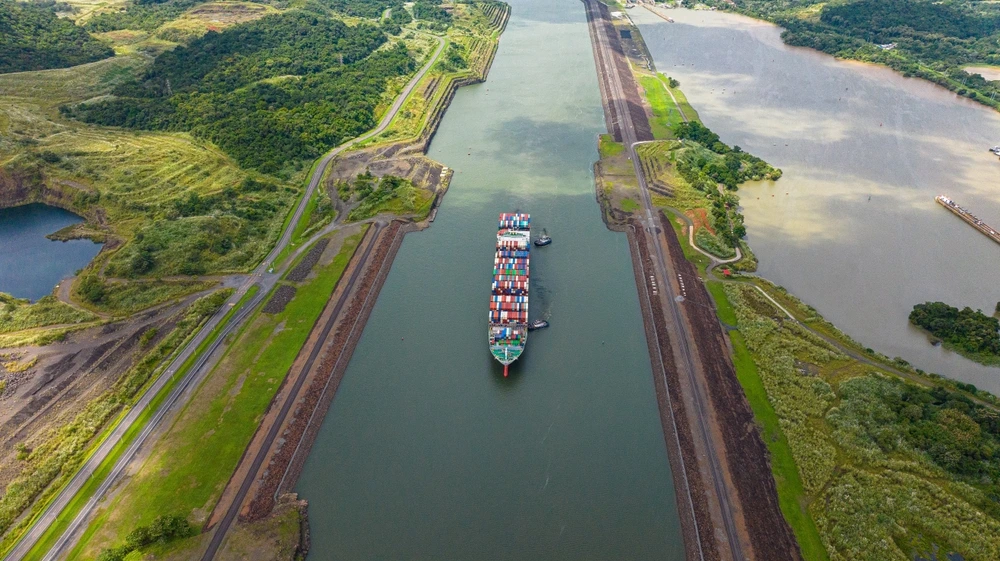
Panama’s Energy Bet: Canal Authority Launches Gas Pipeline and Port Expansion
Panama’s Energy Bet: Canal Authority Launches Gas Pipeline and Port Expansion. (Photo Internet reproduction)
One-stop reference
Company Intelligence
Every listed company in Latin America — financials, ownership and structure for 1,450+ companies across 26 exchanges, in one place.
Browse the directory →
RT
Ask Rio Times
17 years of Latin America reporting, on demand.
Open the full Ask Rio Times →

This infrastructure expansion is a direct response to the surging demand for LPG in Asia, where consumption is projected to double over the next decade.

The canal currently handles about 1,350 annual transits of LPG-carrying vessels, a figure expected to rise as Asian economies continue to grow. However, the canal’s capacity is limited, and recent droughts have forced authorities to restrict ship transits.

This has disrupted global supply chains and highlighted the need for alternative transport routes. The five new ports will support the increased flow of energy products and general cargo, further boosting Panama’s logistics capacity.

Panama Invests $8.5B to Expand Energy Transit

The ACP’s broader investment plan allocates $8.5 billion for various projects between 2025 and 2030, including the pipeline, new port terminals, a new reservoir, and upgrades to tugboat fleets.

The canal connects 180 shipping routes, 170 countries, and nearly 2,000 ports worldwide. In 2025, it expects to handle 521 million tons of cargo, a 62% increase over the past 12 years.

From a business perspective, Panama’s strategy is clear: reduce reliance on canal tolls, create new revenue streams, and reinforce economic resilience.

By adding pipeline capacity and modern port infrastructure, Panama positions itself to capture more value from global energy trade and maintain its relevance as a logistics powerhouse.

The project also carries geopolitical weight. Control over energy transit routes is a critical asset in a world where trade patterns and supply chains are shifting.

Panama’s infrastructure expansion ensures the country remains a key player in energy flows between the Americas and Asia, while keeping national control over its assets.

Panama’s decision is not about following globalist trends but about pragmatic business. The country leverages its unique geography to meet market demands and secure its economic future.

The scale and scope of these investments show Panama’s commitment to adapting its infrastructure to new realities, ensuring long-term competitiveness and sustainability.

This article was produced by The Rio Times’ automated newsroom system. How we use AI · Report an error

Read More from The Rio Times

The Rio Times · Power Map
See who really holds power in Latin America
Click to open the Power Map

Rotate for Best Experience

This report is optimized for landscape viewing. Rotate your phone for the full experience.