Argentina’s Gas System Buckles Under Cold Wave, Exposing Energy Weakness
Argentina’s Energy Secretariat announced the country has restored normal gas transport and ended most industrial restrictions after an extreme cold snap sent gas demand soaring.
The coldest winter in 30 years pushed daily gas use up by 25% from last year. To keep homes heated, the government cut off gas to factories and compressed natural gas stations for several days.
Buenos Aires saw rare subzero temperatures, and neighbors Chile and Uruguay also faced unusual snow and energy stress. Argentina sits on huge reserves in the Vaca Muerta shale, the world’s second-largest unconventional gas field.
Production there is rising fast—oil output jumped 26% and dry gas 16% in the past year. But the country’s pipelines and storage can’t keep up. When the cold hit, Argentina even had to stop its new gas exports to make sure local needs came first.
To fill the gap, Argentina imported 340,000 tons of liquefied natural gas (LNG) in June 2025. The United States supplied a third, and Trinidad and Tobago sent 230,000 tons. U.S. LNG exports to Latin America rose to 10% of all shipments, up from 7% in May.
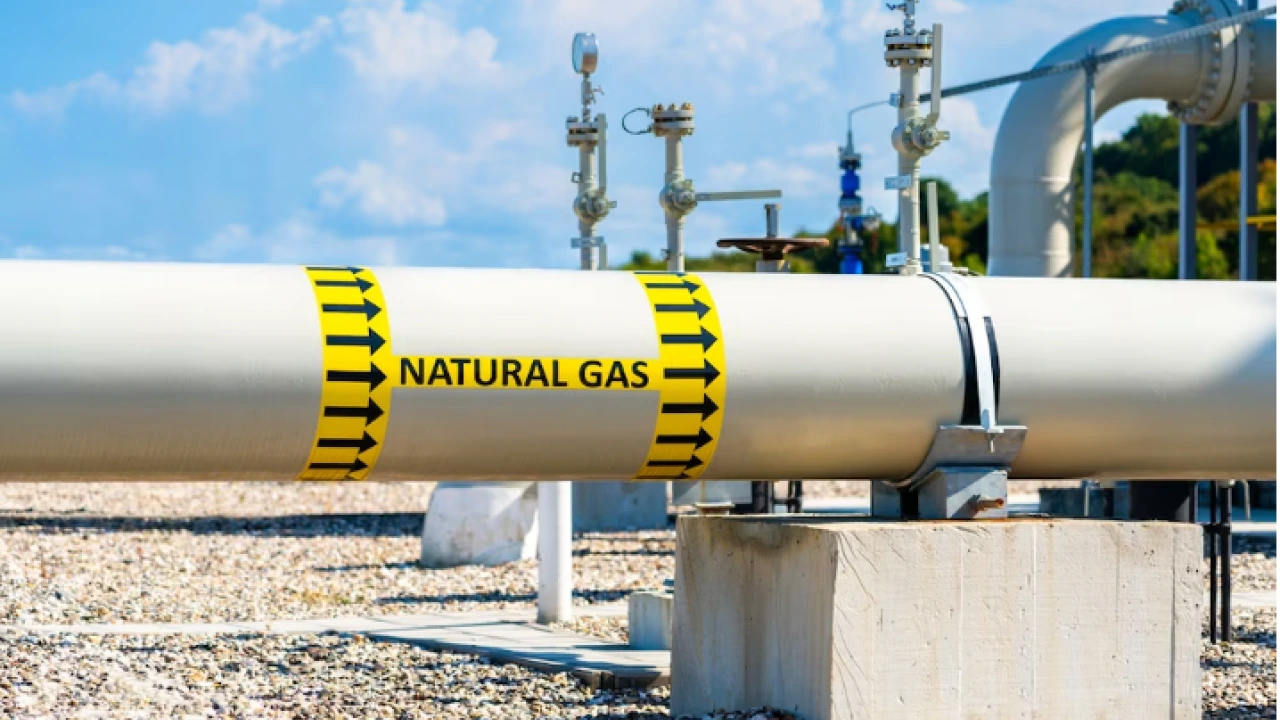
The government and state oil company YPF now plan to invest billions to expand Vaca Muerta and build new pipelines and export terminals. A new deal with Eni aims to ship up to 30 million tons of LNG a year by 2030.
The Vaca Muerta Sur pipeline will soon move 180,000 barrels of oil a day, with plans to triple that by 2027. This crisis shows Argentina’s energy system is not ready for shocks.
Without faster investment, even vast resources can’t guarantee reliable supply or steady exports. Argentina’s next steps will decide if it can turn its energy wealth into lasting economic strength.
More: Argentina news in English, every day from The Rio Times.
This article was produced by The Rio Times’ automated newsroom system. How we use AI · Report an error
Read More from The Rio Times