Honduras Electricity Tariff Frozen for Six Months as Asfura Signs Law
HONDURAS · ENERGY
Key Facts
- —What happened President Nasry Asfura signed the Energy Justice Law on Tuesday 29 September 2026, La Prensa and El Mundo reported.
- —The freeze From the day the law takes effect, the tariff on each customer’s last bill cannot rise for six months, and Congress may add six more.
- —The last rise The regulator CREE lifted the average tariff 12.48% for July to September 2026, to 5.98 lempiras (about US$0.22) per kilowatt-hour.
- —Who pays Any new increase would be absorbed by the Finance Ministry, CREE commissioner Héctor Corrales told La Prensa (9 September 2026).
- —The utility The state utility ENEE ran a deficit of 11,187 million lempiras (about US$416 million) from January to July 2026, the ASJ group reported.
The Honduras electricity tariff stops rising for six months once the law is published, but the Treasury carries the utility’s gap.
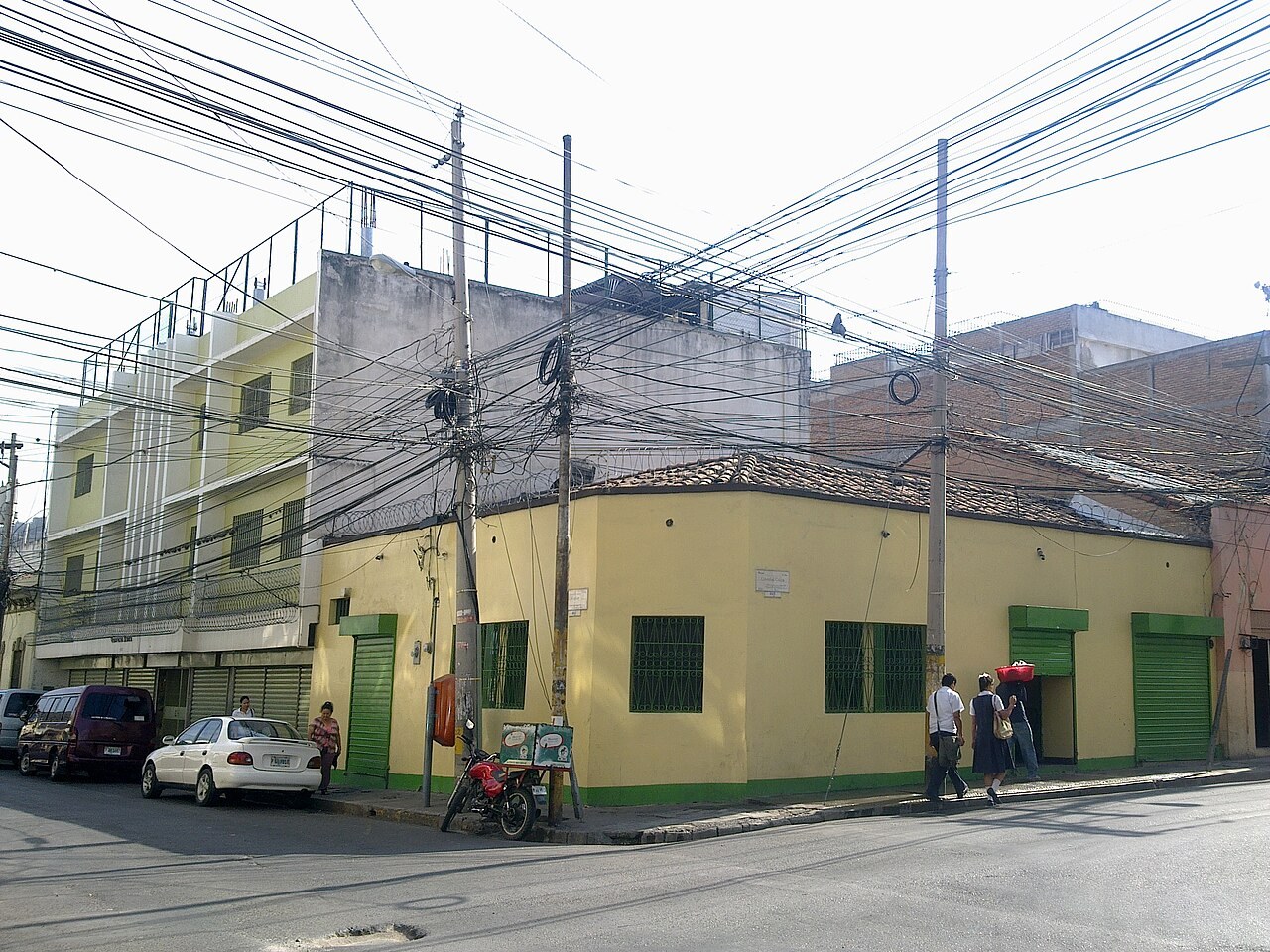
Honduras President Nasry Asfura signed a law on Tuesday 29 September that freezes the electricity tariff for six months. The freeze starts once the decree appears in La Gaceta, the official gazette, which El Mundo expected on Wednesday 30 September.
What Asfura signed
Asfura signed the Energy Justice Law (Ley de Justicia Energética) at the Presidential House in Tegucigalpa, the capital. La Prensa called it the Electric Energy Law.
It is the reform Congress passed on 31 August with 78 of 128 votes. Besides the freeze, it splits the state utility into three companies.
The target is the National Electric Energy Company (ENEE), the state utility that produces, buys and sells most of the country’s power. Asfura, of the conservative National Party, took office in January 2026.
“This law will not solve all the problems, but this is the first step forward,” Asfura said after signing, La Prensa reported. “It is the great effort we must make to recover the company, which is ours,” he added.
How the six-month freeze works
Article 1 says the tariff on each customer’s last bill cannot rise for six months after the law takes effect. Congress can extend the freeze for another six months.
The freeze covers prices, not the total bill. “The tariff schedule is frozen,” Héctor Corrales, a commissioner at the Electric Energy Regulatory Commission (CREE), told La Prensa on 9 September.
A household that uses more power will still pay more. For homes, the frozen schedule has a fixed charge of 59.52 lempiras, about US$2.22 a month.
The first 50 kilowatt-hours cost 4.9706 lempiras each, about US$0.19. Every further kilowatt-hour costs 6.4580 lempiras, about US$0.24.
Why prices had been climbing
CREE sets ENEE’s tariffs every three months to pass on real generation costs. For July to September 2026 it raised the average tariff 12.48%, from 5.32 to 5.98 lempiras per kilowatt-hour.
The regulator blamed fuel. Bunker oil cost 51.92% more than forecast and diesel 74.21% more, while thermal plants supplied about 44% of the power.
The real gap was larger. CREE calculated that a 21.52% rise would have covered costs, and ENEE deferred about US$48.9 million to later quarters.
Energy consultant Samuel Rodríguez told La Prensa he expected the next quarterly adjustment to be at least 17%. That is his forecast, and CREE had not published new figures by the time the law was signed.
The Treasury carries the gap
The freeze moves the cost rather than removing it. If CREE sets a higher tariff, “the Finance Ministry would absorb that increase,” Corrales said.
Miguel Aguilar, head of the ENEE workers’ union, said the government would pay those costs to the utility for six months. The government has not published an estimate of what the freeze will cost.
The utility starts from a weak position. ENEE’s deficit reached 11,187 million lempiras, about US$416 million, from January to July 2026.
That figure comes from the Association for a More Just Society (ASJ), a Honduran anti-corruption group.
ASJ said ENEE’s income covers only 65% of its spending. Its debt rose by more than 20,000 million lempiras, about US$744 million, between February 2024 and June 2026.
The central government transferred more than 46,000 million lempiras, about US$1.7 billion, to ENEE over the past four years, ASJ said.
Losses and theft sit at the root
ASJ traced about 8,469 million lempiras of this year’s deficit, about US$315 million, to energy losses. In 2025 Honduras lost close to a third of the power ENEE produced or bought.
Most of that loss comes from theft, illegal connections and tampered meters rather than from worn lines, ASJ said. The average Honduran customer went 165 hours without power in 2025, against 8.7 hours in El Salvador and 11 in Guatemala.
What else the law changes
ENEE will be split into three state-owned subsidiaries for generation, transmission and distribution, under a parent company called Enee Matriz. A new system operator will dispatch power at the lowest cost.
Power purchases must go through competitive tenders, and large customers may buy electricity directly. Contracts that run into the next government’s term will need approval from Congress.
Low-use households with old debts can ask for them to be written off. The law also gives people with illegal connections three months to regularise before prosecution.
ENEE must report its historic debt to Congress within 120 days. Together with the Finance Ministry, it must then present a plan to deal with it.
What it means for residents and investors
For households and businesses, the price per kilowatt-hour should hold until about March 2027 if the law is published on schedule. Bills will still rise with use and with any new taxes passed to consumers.
For investors and lenders, the question is whether the split and the tenders cut losses faster than the freeze adds to debt. The next test is ENEE’s debt report, due within four months.
More: Honduras news, every day from The Rio Times.
Frequently Asked Questions
Is my electricity bill in Honduras frozen?
No, the tariff is frozen, not the bill. The price per kilowatt-hour on your last bill cannot rise for six months once the law takes effect. If you use more power, you still pay more.
When does the Honduras tariff freeze start?
It starts when the Energy Justice Law is published in La Gaceta, the official gazette. El Mundo reported that publication was expected on Wednesday 30 September 2026. Congress can extend the freeze by another six months.
Who pays for the freeze?
CREE commissioner Héctor Corrales said the Finance Ministry would absorb any tariff increase during the freeze. The government has not published a cost estimate. The state utility ENEE already runs a large deficit covered by public money.
Sources: La Prensa · El Mundo · La Prensa · La Prensa · El Mundo · Comisión Reguladora de Energía Eléctrica (CREE)
Read More from The Rio Times