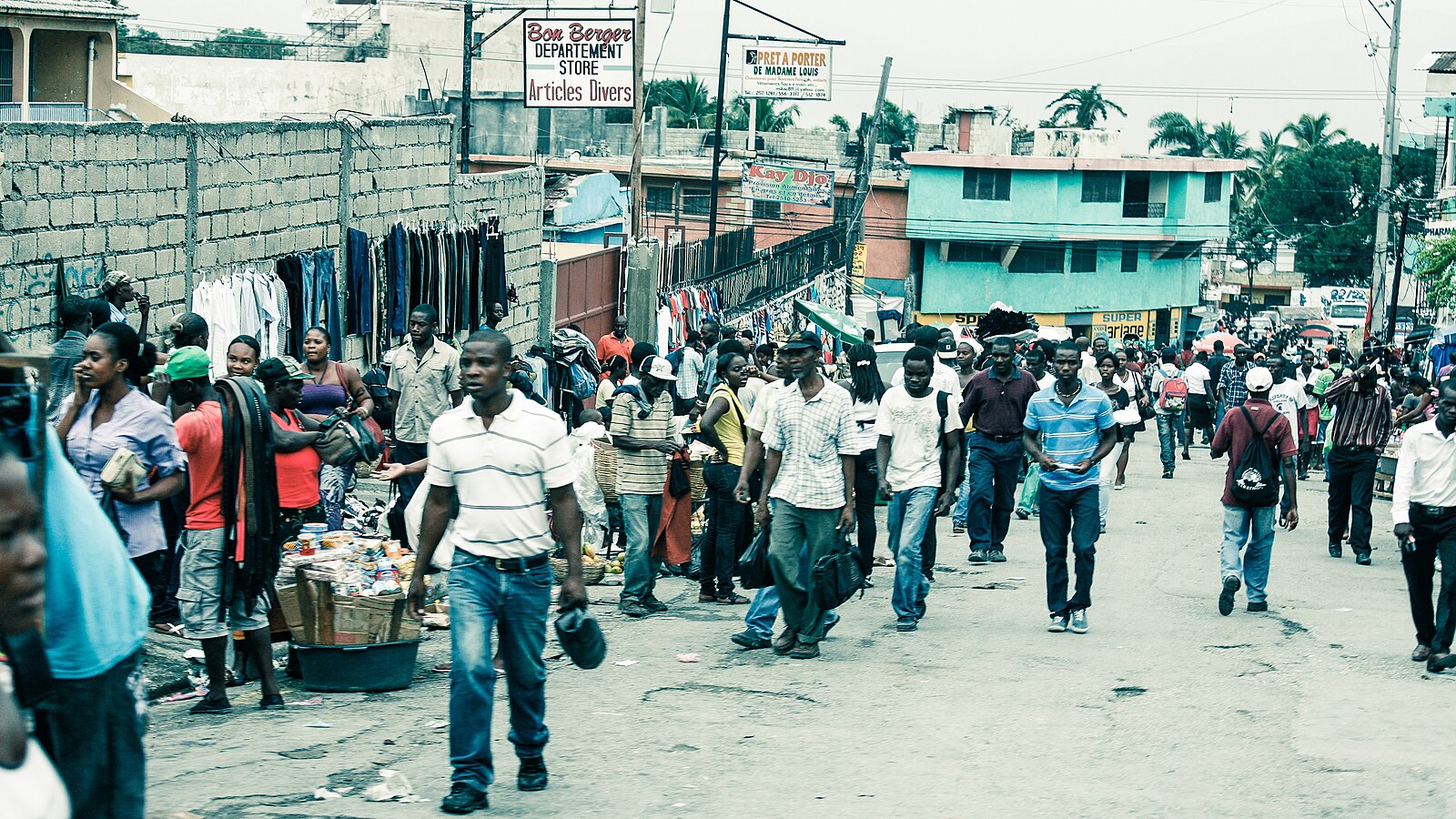
Haiti is heading for the worst hunger on record. The UN World Food Programme (WFP) says 6.35 million Haitians could go short of food by spring 2027.
That is a jump of more than half a million people in a year, according to the Haiti crisis numbers WFP released on Wednesday, 28 October 2026, from Port-au-Prince. For US readers, it is a test of how far aid and security efforts reach in a country close to Florida.
This story is part of our coverage of the haiti crisis. Dates, times and how to follow it are in our guide.
Key Facts
- Forecast: 6.35 million Haitians face acute hunger from March to June 2027, a record.
- Worst level: Almost 2 million could reach Emergency, the second-highest of five hunger levels.
- Money: WFP needs US$78 million to keep its Haiti work going through March 2027.
- Elections: The vote planned for 13 December 2026 is postponed with no new date.
What the Hunger Forecast Says
The figures come from the Integrated Food Security Phase Classification (IPC), a UN-backed scale that rates hunger in five phases. Phase 4 is called Emergency.
WFP says rural areas are expected to slide from Crisis (phase 3) to Emergency (phase 4) in the same months. The agency blames gang violence, displacement, economic instability, poor harvests and El Niño, a Pacific weather pattern that brings droughts and floods.
About 1.5 million Haitians have fled their homes, WFP says, and the people in gang-held areas and displacement sites are the most exposed. WFP has helped 2.6 million Haitians so far in 2026 with food aid, cash and school meals.
Why Security Is Still the Bottleneck
The UN-backed Gang Suppression Force, an international force authorised by the UN Security Council, had 1,563 uniformed personnel as of 12 October. Its authorised strength is 5,550.
Four Salvadoran Air Force technicians have been missing since their armoured vehicle was attacked on 18 October in the Santo area of Croix-des-Bouquets, near Port-au-Prince. El Salvador’s president, Nayib Bukele, has said he believes armed groups are holding them and has ordered a rescue operation.
A Haitian security official said on 27 October that about 1,000 Salvadoran soldiers had deployed to Haiti in recent days. We have not seen an official total, and the command and length of the deployment are unclear.
The UN has counted 1,123 deaths and 440 injuries from gang violence between July and early October. It also reports 689 women and girls raped in July and August.
Why the Vote Keeps Slipping
Haiti postponed its presidential and legislative elections, planned for 13 December 2026, with no replacement date. Carlos Ruiz Massieu, the UN’s top official in Haiti, warned the Security Council that setting new dates “without a realistic assessment of their feasibility will only erode public confidence and the credibility of Haitian institutions.”
Roberto Álvarez, the Dominican Republic’s foreign minister, told the council on 22 October that security must come first. In his words, elections will not produce security, security makes elections possible.
What It Means for US Readers
A hunger emergency of this size is a humanitarian-aid question for Washington and US charities, and the US$78 million gap is the number to watch. It also raises pressure for people to leave Haiti, which matters for the Caribbean and for US border and migration debates.
The forecast is not a certainty. Aid delivery, harvests and road access between now and spring could move the final figure either way.
What Is Not Known
Nobody has confirmed whether the four Salvadoran technicians are alive, and no group has claimed the attack. The size and command of the Salvadoran deployment remain unconfirmed.
No new election date exists. The 6.35 million is an IPC projection for March to June 2027, not a count of people hungry today.
Frequently Asked Questions
How many Haitians are projected to face acute hunger in 2027?
The UN-backed hunger scale projects 6.35 million people from March to June 2027. That is more than half a million above the same months of 2026.
What is driving Haiti’s hunger?
The World Food Programme names gang violence, displacement, economic instability, poor harvests and El Niño. El Niño is a Pacific weather pattern that brings drought and floods.
This article was produced by The Rio Times’ automated newsroom system. How we use AI · Report an error · Editorial responsibility: Matthias Camenzind, Editor-in-Chief
Haiti
- What Is Happening in Haiti?
- What Is Happening in Haiti?
- Haiti Gang Crisis Explained 2026 Gangs and the UN Force
- Haiti’s 13 December Vote, What US Travellers Need to Know