Guyana Gas-to-Energy Project Gets US$91.5M to Speed Completion
Energy · Guyana
Key Facts
—Supplementary approval Parliament approved GY$19.09 billion (~US$91.5 million) in additional funds for the Gas-to-Energy project.
—Total project scope The entire Gas-to-Energy initiative is estimated at roughly US$2 billion.
—Tariff reduction promise Grid customers are expected to see a 50% reduction in electricity tariffs upon completion.
—Gas source Natural gas will be piped from the ExxonMobil-operated Stabroek Block offshore Guyana.
—Wider budget The allocation was part of a larger GY$54.9 billion (~US$263 million) supplementary budget.
Guyana Gas-to-Energy project received a significant financial injection this week as the National Assembly approved an additional GY$19.09 billion (~US$91.5 million) to accelerate the flagship initiative.
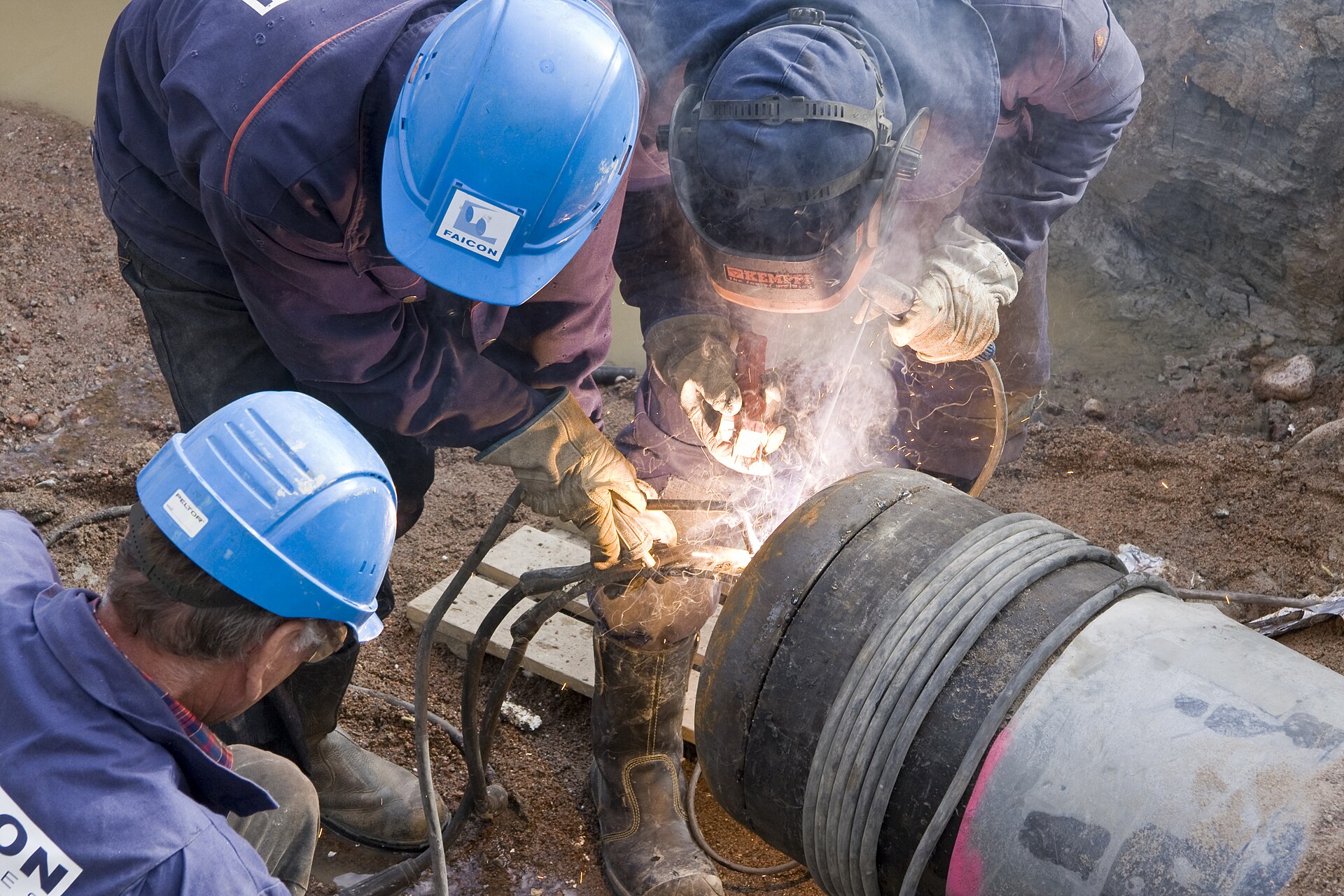
Parliamentary Green Light for Supplementary Funds
Guyana’s Parliament approved the supplementary allocation under the Office of the Prime Minister, signaling the administration’s urgency to deliver cheaper power. The GY$19.09 billion (~US$91.5 million) is earmarked specifically to speed up completion of the Gas-to-Energy (GTE) project at Wales, on the West Bank of the Demerara River.
This specific vote was part of a much wider GY$54.9 billion (~US$263 million) supplementary budget request debated by lawmakers. The broader package covers various national priorities, but the GTE component dominated discussions given its scale and long-term economic implications.
What the Guyana Gas-to-Energy Project Actually Is
The Gas-to-Energy project is a nationally transformative infrastructure plan designed to bring associated natural gas from offshore oil fields directly to onshore power plants. Instead of re-injecting the gas into the wells or flaring it, the gas will be captured and transported via a pipeline to a processing and power plant site at Wales.
The centerpiece is a 300-megawatt (MW) combined-cycle power plant and a natural gas liquids (NGL) separation facility. The NGL facility will strip out valuable liquids like propane and butane for domestic cooking gas and potential export, while the dry gas fires the turbines to generate electricity.
For international investors unfamiliar with the geography, the pipeline will run from the Liza field in the Stabroek Block, approximately 200 kilometers offshore in the Atlantic Ocean, to the coast. The project is a joint venture between the Guyanese government and a consortium led by ExxonMobil’s local affiliate, Esso Exploration and Production Guyana Limited (EEPGL).
The total price tag is estimated at roughly US$2 billion, making it the single largest public infrastructure investment in the country’s modern history. Financing involves a complex structure of government equity, loans, and cost-recovery mechanisms tied to the petroleum agreement.
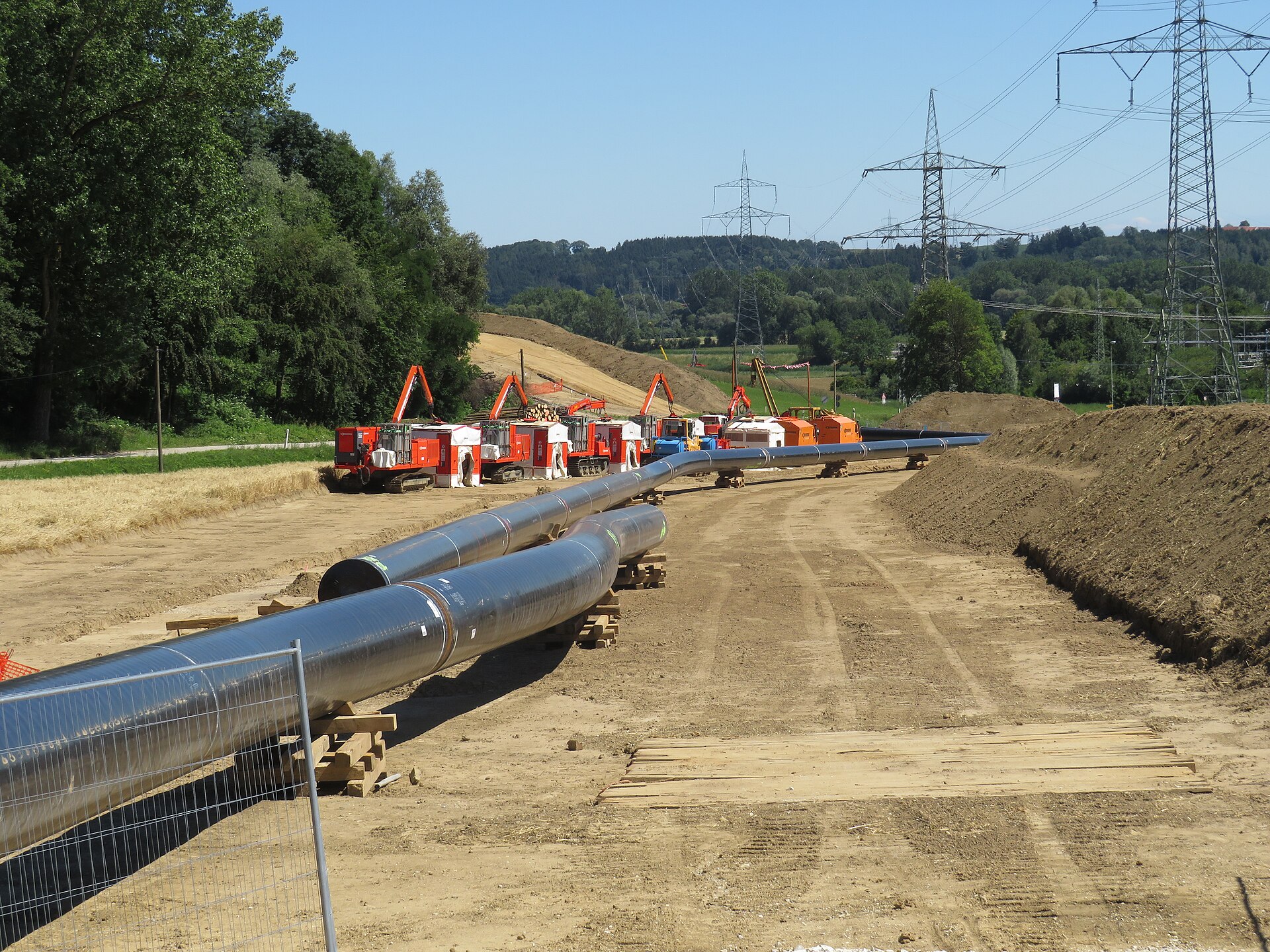
The Stabroek Block and the ExxonMobil Connection
The natural gas is sourced exclusively from the prolific Stabroek Block, operated by ExxonMobil with a 45% stake, alongside partners Hess Corporation (30%) and CNOOC Petroleum Guyana Limited (25%). This block holds recoverable resources exceeding 11 billion barrels of oil equivalent, making it one of the most significant deepwater discoveries globally in the last decade.
Under the 2016 Production Sharing Agreement (PSA), the government can request that the operator deliver a specified volume of natural gas free of charge for domestic use. The GTE project exercises this right, requiring ExxonMobil to build and finance the offshore pipeline, with costs recoverable from the block’s oil revenues.
This cost-recovery mechanism has been a point of intense scrutiny. Critics argue it effectively means the state pays for the pipeline through foregone profit oil, while the government insists it is the fastest way to monetize stranded gas without upfront capital outlay.
The Promise of a 50% Tariff Cut and Industrial Transformation
The government has consistently promised that upon commissioning, grid electricity tariffs will be slashed by 50%. For a country where manufacturing and services have long been stifled by some of the highest power costs in the region, this is a revolutionary prospect.
Guyana Power and Light Inc. (GPL), the main state-owned utility, currently relies on expensive imported heavy fuel oil. Switching to domestic natural gas is projected to cut generation costs dramatically, stabilizing the grid and reducing the government’s fiscal burden from electricity subsidies.
Beyond households, cheap and reliable power is expected to catalyze a manufacturing and agro-processing boom. The Wales Development Zone, a planned industrial park adjacent to the power plant, aims to attract foreign direct investment in energy-intensive industries like fertilizer production, food processing, and construction materials.
Why the Project Remains Contested
Despite the economic logic, the Gas-to-Energy project faces persistent political and civil-society opposition. The primary criticism revolves around procurement and transparency, with opponents arguing that the US$2 billion scope was not subjected to a fully open and competitive international tender.
The parliamentary opposition has questioned the final cost and the sole-sourcing of major contracts. Concerns have also been raised about the environmental impact of the onshore pipeline route and the long-term liability for decommissioning the infrastructure.
Another layer of contention is the project’s timeline and cost overruns. Originally targeted for completion in 2024, the deadline has slipped, making the supplementary GY$19.09 billion (~US$91.5 million) appropriation a politically sensitive acknowledgment of delays that the government frames as an acceleration measure.
Civil society groups have also flagged the concentration of such a critical national asset under the direct purview of the Prime Minister’s office, bypassing some traditional oversight bodies. The government counters that this structure ensures the speed and coordination needed for a project of this magnitude.
Macroeconomic Implications for Guyana’s Boom
For foreign investors and expatriates, the GTE project is the linchpin connecting Guyana’s offshore oil boom to the non-oil real economy. The country’s GDP growth has topped global charts, but wealth has been largely concentrated in the extractive sector and government coffers.
Cheaper electricity is the mechanism to diversify this growth, making the local business environment viable for small and medium enterprises. The supplementary GY$54.9 billion (~US$263 million) budget, of which the GTE allocation is a part, reflects a government flush with oil revenues aggressively deploying capital to build infrastructure before the next election cycle.
A successful 50% tariff cut would immediately increase disposable income for households and reduce operating expenses for businesses. This demand-side stimulus, combined with the supply-side shock of reliable power, could structurally lower inflation in the medium term, a key metric for the Bank of Guyana.
However, execution risk remains the central variable. Any further significant delays or cost escalations could erode investor confidence and delay the anticipated economic diversification. For now, the parliamentary approval signals that the political will to complete the project remains unwavering.
Frequently Asked Questions
What is the total cost of the Guyana Gas-to-Energy project?
The entire Gas-to-Energy initiative, including the offshore pipeline, onshore processing plant, and power generation facility, is estimated at roughly US$2 billion.
How much will electricity tariffs drop when the project is finished?
The government has consistently promised that grid customers will benefit from a 50% reduction in electricity tariffs once the natural gas-fired power plant is fully operational.
Where is the natural gas for the project coming from?
The gas will be sourced from the ExxonMobil-operated Stabroek Block, located approximately 200 kilometers offshore Guyana in the Atlantic Ocean, and piped to the Wales Development Zone.
Connected Coverage
Sources: Guyana's Parliament; National Assembly.
This article was produced by The Rio Times’ automated newsroom system. How we use AI · Report an error
Read More from The Rio Times