Germany State Elections: AfD Wins Mecklenburg-Vorpommern, Die Linke Takes Berlin
Germany · Analysis
Key Facts
- —What happened The AfD won Mecklenburg-Vorpommern with 38.2% and Die Linke won Berlin with 25.7% on Sunday 20 September.
- —The CDU’s fall Chancellor Merz’s party fell to 4.9% in Mecklenburg-Vorpommern and lost its seats in a state parliament.
- —Who will govern Alliances of the Social Democrats, Die Linke and the Greens would hold majorities in both states and keep the AfD out.
- —The pressure on Merz He says he will stay, but a September poll puts the CDU/CSU at 18% against the AfD’s 29%.
- —The firewall question In September 51% of Germans told YouGov that parties should not rule out working with the AfD.
- —The eastern grievance In a 2023 survey 43% of eastern Germans said they felt like second-class citizens.
Two elections in Germany’s former east on Sunday rewarded the parties furthest from Chancellor Friedrich Merz. They also left his Christian Democrats without seats in a state parliament, a first in the party’s history according to German broadcasters.
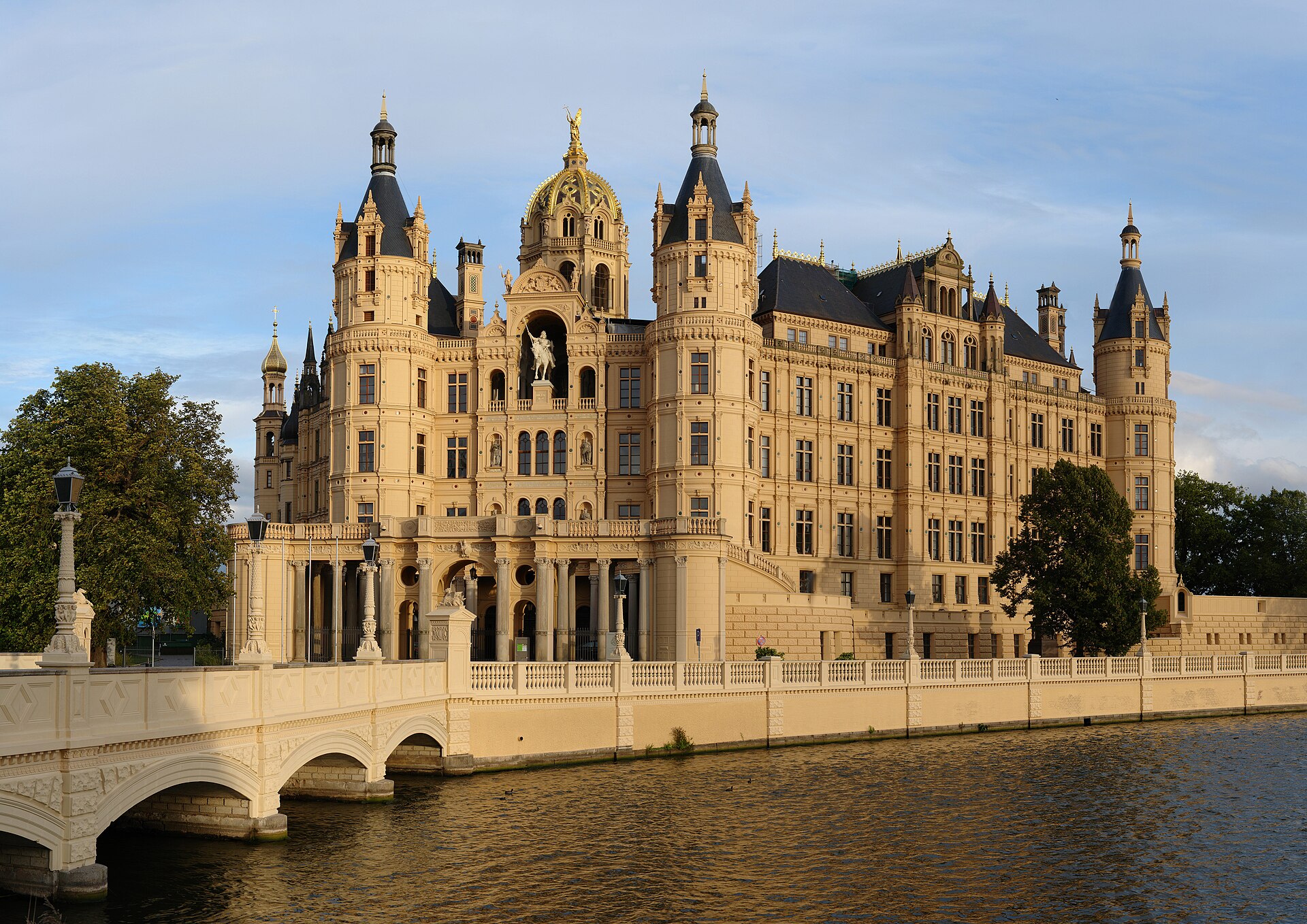
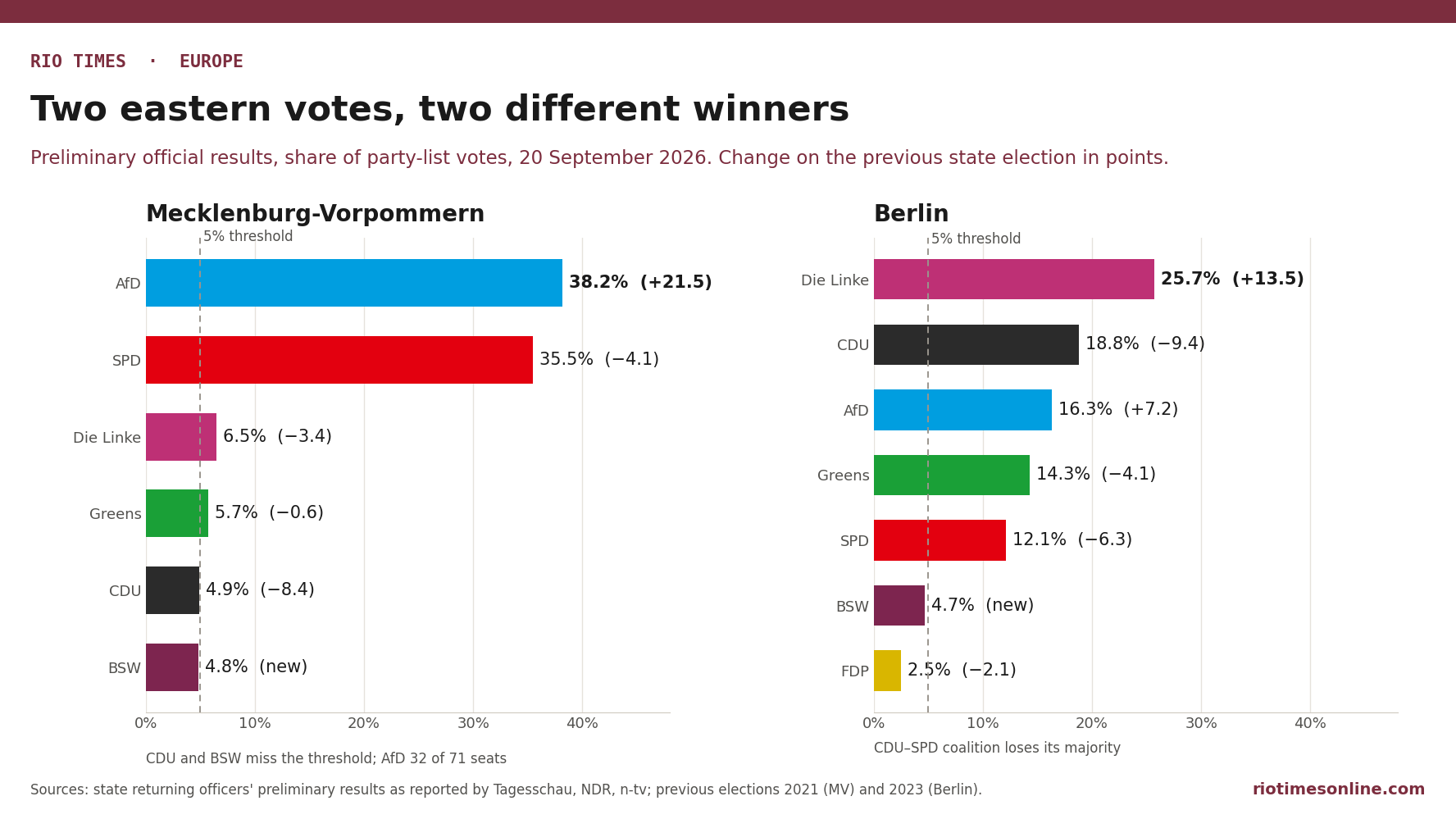
Voters in Mecklenburg-Vorpommern, a rural Baltic coast state, made the anti-immigration Alternative for Germany the largest party with 38.2%, preliminary official results show. In Berlin, the left-wing Die Linke came first with 25.7%, well ahead of Governing Mayor Kai Wegner’s Christian Democrats.
Mecklenburg-Vorpommern: A State of Two Parties
The Alternative for Germany, known as the AfD, gained 21.5 points on its 2021 result. The Social Democrats of Minister-President Manuela Schwesig finished second with 35.5%, down 4.1 points.
Die Linke took 6.5% and the Greens 5.7%, enough to stay in parliament. Everyone else fell below the 5% of the vote a German party needs to win seats.
That included the Christian Democratic Union, the CDU, on 4.9%, down from 13.3% in 2021. Broadcasters NDR and n-tv reported that the CDU had never before missed the threshold in a state election.
The same fate hit the Sahra Wagenknecht Alliance, a left-wing breakaway known as BSW, on 4.8%. Turnout reached 78.1%, n-tv reported.
The preliminary count gives the AfD 32 of the 71 seats and the Social Democrats 29. Die Linke and the Greens hold five each, and a majority needs 36.
The CDU governed this state as the Social Democrats’ junior partner from 2006 to 2021. Five years later it has no seats at all, while the AfD sits four short of a majority on its own.
Berlin: The Left Wins the Capital
In Berlin, Die Linke more than doubled its 2023 share of 12.2%. The CDU fell to 18.8% from 28.2%, and Wegner’s coalition with the Social Democrats lost its majority.
The AfD rose to 16.3% from 9.1%, while the Greens took 14.3% and the Social Democrats 12.1%, their weakest Berlin result. The BSW, on 4.7%, and the liberal FDP, on 2.5%, failed to win seats.
Turnout rose to 74.2% from about 63% in 2023, according to the preliminary figures. Die Linke’s lead candidate, Elif Eralp, ran on a campaign against poverty and the AfD, Hürriyet Daily News reported.
The map shows two eastern Berlins. The AfD was far ahead in Marzahn-Hellersdorf, a district of prefabricated tower blocks, and also won direct seats in Treptow-Köpenick, Die Zeit reported.
Die Linke’s lead was not a surprise to those watching the capital. It had already been the strongest party in Berlin in the February 2025 federal election, the Tagesspiegel reported at the time.
Who Will Govern
Neither winner is likely to lead a government in Mecklenburg-Vorpommern, where every other party refuses to work with the AfD. The only majority without it is Social Democrats, Die Linke and Greens, with 39 of 71 seats.
Schwesig said on election night that she was aiming for exactly that alliance. The AfD’s lead candidate, Leif-Erik Holm, has the largest group but no partner.
Even in opposition, the AfD will shape the state. Its 32 seats are more than a third, enough to block anything that needs a two-thirds majority, such as a change to the constitution.
Berlin offers more choice, but every majority without the AfD needs both the Social Democrats and the Greens. On the vote shares, an alliance of Die Linke, Greens and Social Democrats would hold a clear majority.
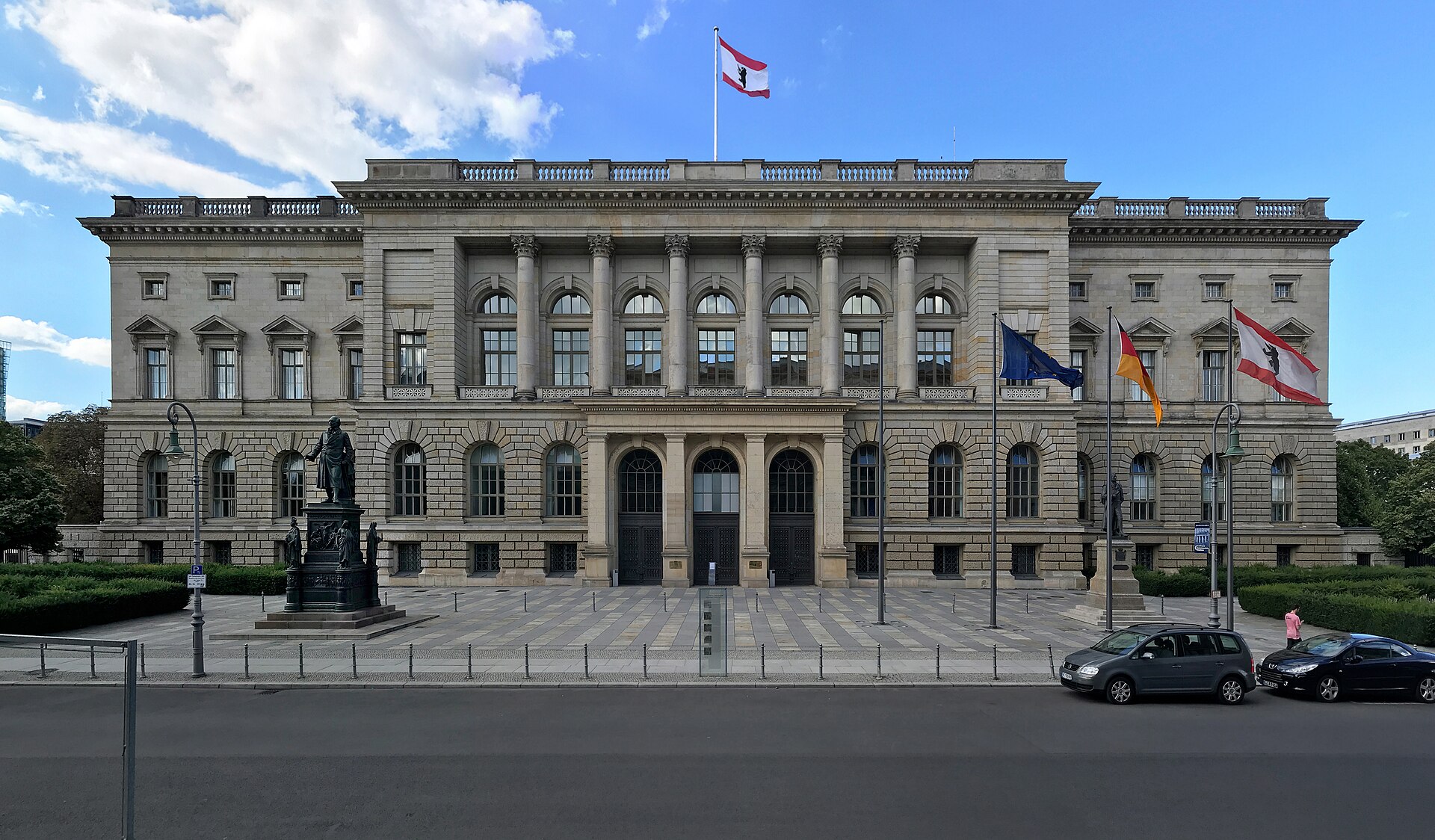
A narrower majority also appears possible for the CDU, Social Democrats and Greens together. It would leave out the party that won, and final seat numbers still depend on direct mandates.
The CDU cannot join Die Linke even if it wanted to. A 2018 party congress resolution rules out coalitions with both Die Linke and the AfD.
If Die Linke takes the mayor’s office, it would lead a second German state. Its first was Thuringia, under Bodo Ramelow from 2014 to 2024.
Why the Winners Are Strongest in the East
Neither winner is simply an eastern party. The AfD was founded in 2013 in Oberursel, near Frankfurt, by 18 men, most of them from the west.
Its best-known founder was a western economist, Bernd Lucke, and the party began as a protest against euro bailouts. Its eastern branches later became its strongholds, taking 43.8% in Saxony-Anhalt on 6 September.
Die Linke does have eastern roots. It descends from East Germany’s ruling Socialist Unity Party through the PDS, which merged with a western left-wing group in 2007.
Its revival since 2025 has leaned heavily on young voters, in the west as well as the east. In the February 2025 federal election it won 26% of 18-to-24-year-olds, more than any other party, Forschungsgruppe Wahlen found.
That is how it can win Berlin while polling 6.5% in rural Mecklenburg-Vorpommern. What the two winners share is distance from the CDU and the Social Democrats, the parties that ran reunified Germany.
Many eastern voters also feel talked about rather than represented. In a 2023 Infratest dimap survey 43% of people in the eastern states said they felt like second-class citizens.
The numbers behind that feeling are real. The Elitenmonitor, a study by universities in Leipzig, Jena and Zittau-Görlitz, found easterners held 12.1% of top positions in 2024.
That is well below their share of the population, though up from 10.9% in 2018. Their share slipped in business, culture, security and civil society, which feeds a sense that power in Germany still sits in the west.
Will Merz Fall?
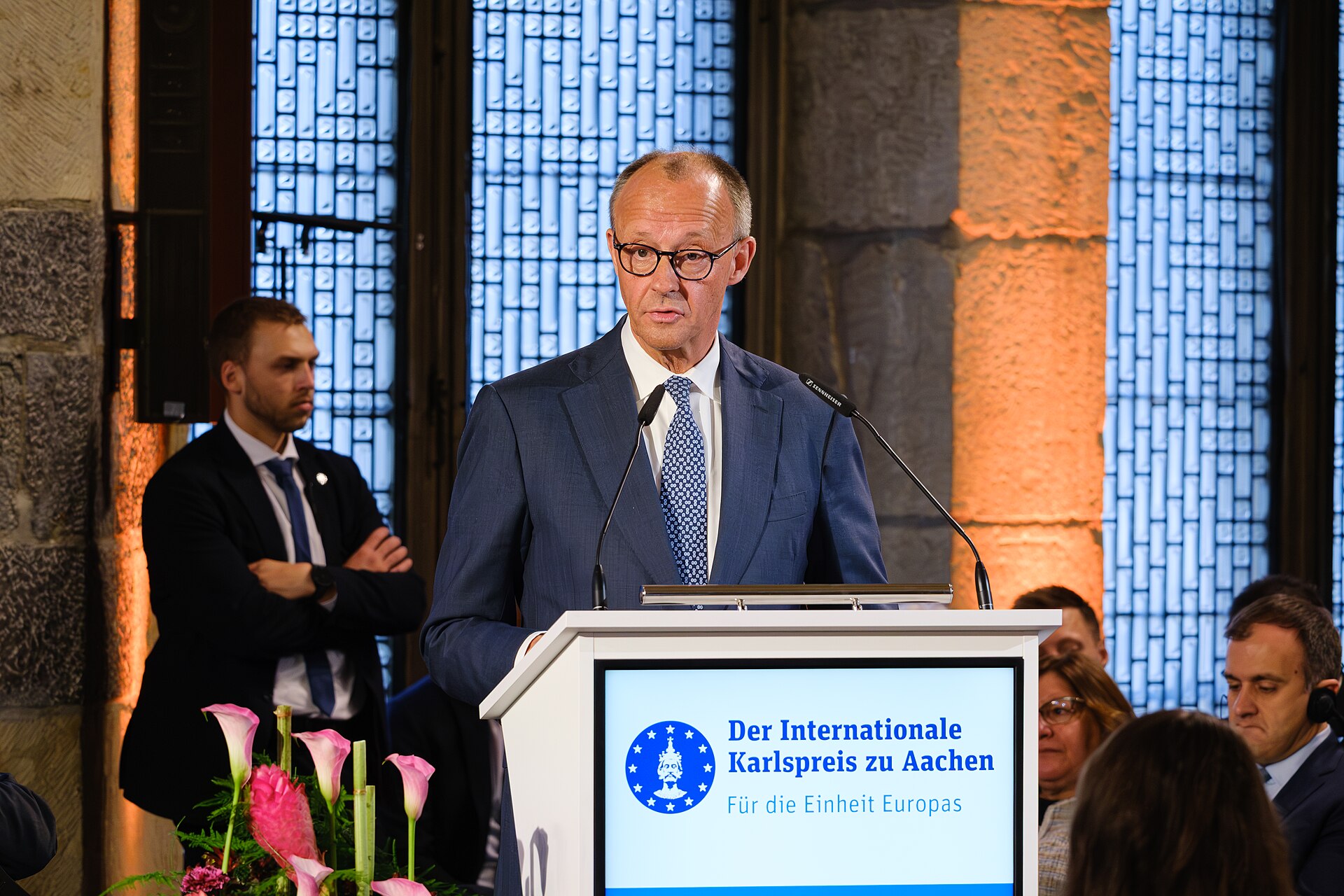
Merz said the Mecklenburg-Vorpommern result could not be glossed over, Austria’s Heute reported. He also made clear on election night that he would remain chancellor and CDU leader, Tagesschau reported.
The CDU’s leadership met in Berlin on Sunday evening in what one participant described as a very tense and serious atmosphere. Christian Gräff, who leads the CDU-aligned business association in Berlin, wrote on X that Merz had to go.
The national numbers explain the nerves. In mid-September YouGov put the AfD at 29% and the CDU with its Bavarian sister party, the CSU, at a record low of 18%.
Two days before the votes, the federal coalition agreed a fuel-tax cut and Germany’s first cap on pump prices. It did not rescue the CDU in either state.
Replacing a party leader is one thing, and replacing a chancellor is another. The Bundestag can remove a chancellor only by electing a successor with an absolute majority, a constructive vote of no confidence.
That means any change in the chancellery would need the Social Democrats, Merz’s coalition partner. Brussels Signal reported that Hendrik Wüst, Daniel Günther, Jens Spahn and Carsten Linnemann were among the names discussed as successors.
No formal challenge had been launched by Monday. The more likely near-term test is whether Merz can pass the reforms he promised before the party’s patience runs out.
Would a New CDU Leader Turn to the AfD?
The question is no longer abstract, because the arithmetic already exists. In the Bundestag elected in February 2025, the CDU/CSU’s 208 seats and the AfD’s 152 would together make a majority of 630.
Public opinion has moved too. In YouGov’s September survey 51% of Germans said parties should not rule out working with the AfD, up from 44% in August.
Only 40% backed a blanket exclusion, and among CDU/CSU voters the split was 55% to 38% against one. That puts the party’s base ahead of its leadership on the so-called firewall, the Brandmauer.
The leadership has not moved, and no senior CDU figure has publicly called for ending the firewall. In Saxony-Anhalt, CDU leader Sven Schulze ruled out cooperation after the 6 September vote.
The AfD’s legal status also weighs on the decision. In February 2026 a court in Cologne ruled that the domestic intelligence agency may not, for now, label the national party confirmed right-wing extremist.
State agencies still classify some eastern branches, including Saxony-Anhalt’s, as confirmed extremist. For a CDU leader, an alliance would also likely end the federal coalition with the Social Democrats.
In the east, the AfD would be the senior partner. On current results, a new CDU leader would be offering the AfD a governing role in several eastern states, not a supporting one.
What It Means for Germany
In the short term, the results tilt state governments to the left. Coalitions usually abstain in the Bundesrat, the chamber of the states, when their partners disagree on a federal bill.
That could slow parts of Merz’s agenda that need the states’ consent. It also gives Die Linke, which left government in Berlin in 2023, a larger say in national lawmaking.
In the longer term, the elections confirm a country that votes in two patterns. The east holds only about a sixth of Germany’s people, but it now decides whether the centre can still form governments there.
Coalition talks in both states now begin, and the results are still preliminary until electoral committees confirm them. The next federal election is due in 2029, and every eastern result until then will be read as a verdict on Merz.
More: the AfD’s landslide in Saxony-Anhalt and the Europe Intelligence Brief before the vote, from The Rio Times.
Frequently Asked Questions
Who won the Mecklenburg-Vorpommern election?
The AfD came first with 38.2% on 20 September 2026, ahead of the Social Democrats on 35.5%. The Social Democrats, Die Linke and the Greens hold the only majority without the AfD.
Who won the Berlin election?
Die Linke won with 25.7%, ahead of the CDU on 18.8% and the AfD on 16.3%. The outgoing CDU and Social Democrat coalition lost its majority.
Why is the CDU out of the Mecklenburg-Vorpommern parliament?
It won 4.9% in the preliminary count, just below the 5% a party needs to win seats. Broadcasters NDR and n-tv reported that the CDU had never before missed the threshold in a state election.
Can Friedrich Merz be forced out as chancellor?
Only if the Bundestag elects a successor with an absolute majority, which would need votes from his Social Democrat partners. The CDU could replace him as party leader through its own congress.
Is the AfD an East German party?
No. It was founded in 2013 in Oberursel in western Germany, mostly by western founders, but its strongest results now come from the eastern states.
Sources: Tagesschau on the Mecklenburg-Vorpommern result, NDR: CDU out of the Landtag on 4.9%, n-tv: all data on the Mecklenburg-Vorpommern election, Deutschlandfunk newsblog on the Mecklenburg-Vorpommern election, t-online: Schwesig aims for red-red-green, n-tv: all data on the Berlin election, Tagesschau liveblog on the Berlin election, rbb24 on the Berlin lead candidates, Hürriyet Daily News on Elif Eralp’s win, Die Zeit on the AfD in Marzahn-Hellersdorf, Tagesspiegel on the 2025 federal election in Berlin, ZDF on how young voters chose in 2025, Tagesschau on the CDU after the elections, Heute on Merz’s reaction, YouGov Sonntagsfrage, September 2026, Brussels Signal on talk of replacing Merz, Administrative Court of Cologne on the AfD classification, Berliner Morgenpost on the AfD’s history, Al Jazeera on the Saxony-Anhalt election, Federal Agency for Civic Education on Die Linke’s history, Berliner Zeitung on the Infratest dimap survey, Leipziger Internet Zeitung on the 2026 Elitenmonitor. All results are preliminary official figures until confirmed by the state electoral committees.
This article was produced by The Rio Times’ automated newsroom system. How we use AI · Report an error
Read More from The Rio Times