Germany and US Push Forward on Clean Energy
US lawmakers are making significant strides in advancing clean energy initiatives. Recently, the US Senate passed a bill aimed at accelerating the construction of new nuclear power stations.
This bill not only creates incentives to develop advanced nuclear technologies but also aims to speed up the permitting process, which can traditionally take years.
The legislation has garnered bipartisan support; Democrats view nuclear power as essential for decarbonization, while Republicans see it as a reliable energy source that provides jobs.
The bill passed with overwhelming support, 88-2, and now awaits President Joe Biden’s signature.
In Europe, similar moves are being made. Germany’s new Energy Efficiency Act requires major energy consumption cuts in public authorities, corporations, and data centers.
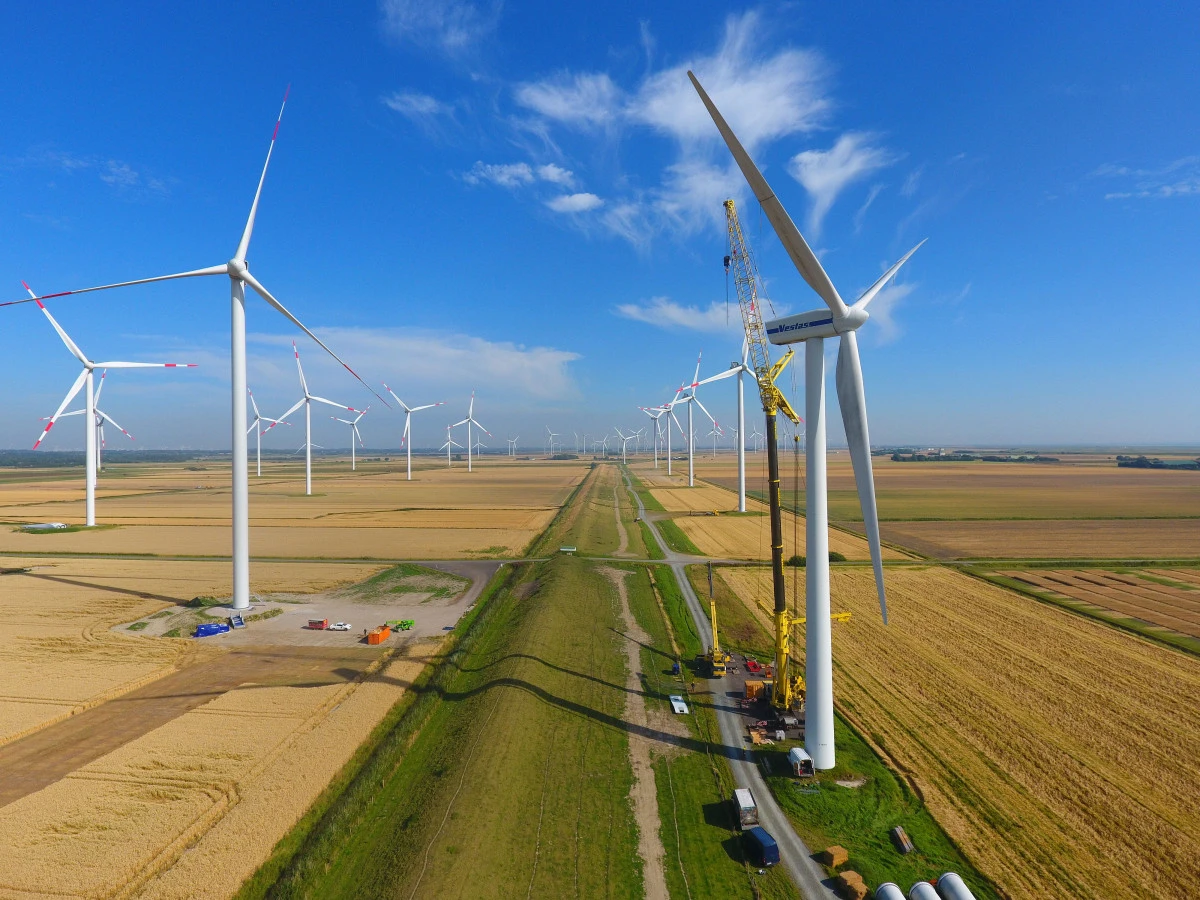
The goal is to decrease Germany’s energy consumption by 50 terawatt-hours by 2030, aligning with the country’s climate targets and the revised EU Energy Efficiency Directive.
This legislation reflects Germany’s commitment to enhancing energy efficiency and achieving a sustainable energy transition, especially in light of the energy market tensions following Russia’s actions in Ukraine.
France is also pushing forward with clean energy initiatives. The French National Cyber Security Agency (ANSSI) has reported fewer ransomware attacks in 2022.
However, cyber espionage remains a critical concern, indicating the intertwined nature of energy policy and cybersecurity.
This highlights the importance of securing energy infrastructure as part of broader national security measures.
Germany’s Global Energy Partnerships
Globally, Germany is fostering bilateral energy partnerships to support the sustainable transformation of energy systems.
These partnerships involve countries like Brazil, China, and India and focus on intergovernmental policy dialogue, technical advisory services, and private sector involvement.
This international collaboration aims to promote sustainable energy practices and share technological advancements globally.
These legislative and policy initiatives are crucial in the fight against climate change and in securing a reliable energy future.
They demonstrate a coordinated effort by governments to address energy efficiency and sustainability.
Additionally, they aim to ensure that energy policies are resilient against geopolitical tensions and cybersecurity threats.
This article was produced by The Rio Times’ automated newsroom system. How we use AI · Report an error
Read More from The Rio Times