
Gambia Election
Key Facts
- Who. Talib Bensouda, mayor of Kanifing, the council area beside Banjul since May 2018, resigned Friday 6 November.
- Why. He is running for president on Saturday 5 December 2026 for UNITE, the political movement he leads.
- Filing. He has since filed his papers; the Independent Electoral Commission has not announced a decision.
- Hurdle. A White Paper, the government’s official response to an inquiry, accepted adverse findings against him.
- Prediction markets. Polymarket, a prediction platform, gives Bensouda about 1% and President Adama Barrow 76% (10 November, 4:07 a.m. ET).
Talib Bensouda, mayor of the Kanifing Municipal Council next to Gambia’s capital Banjul, resigned on Friday 6 November 2026 to run in the presidential election. He has since filed his candidacy papers, but his right to run is disputed.
What Happened at Kanifing
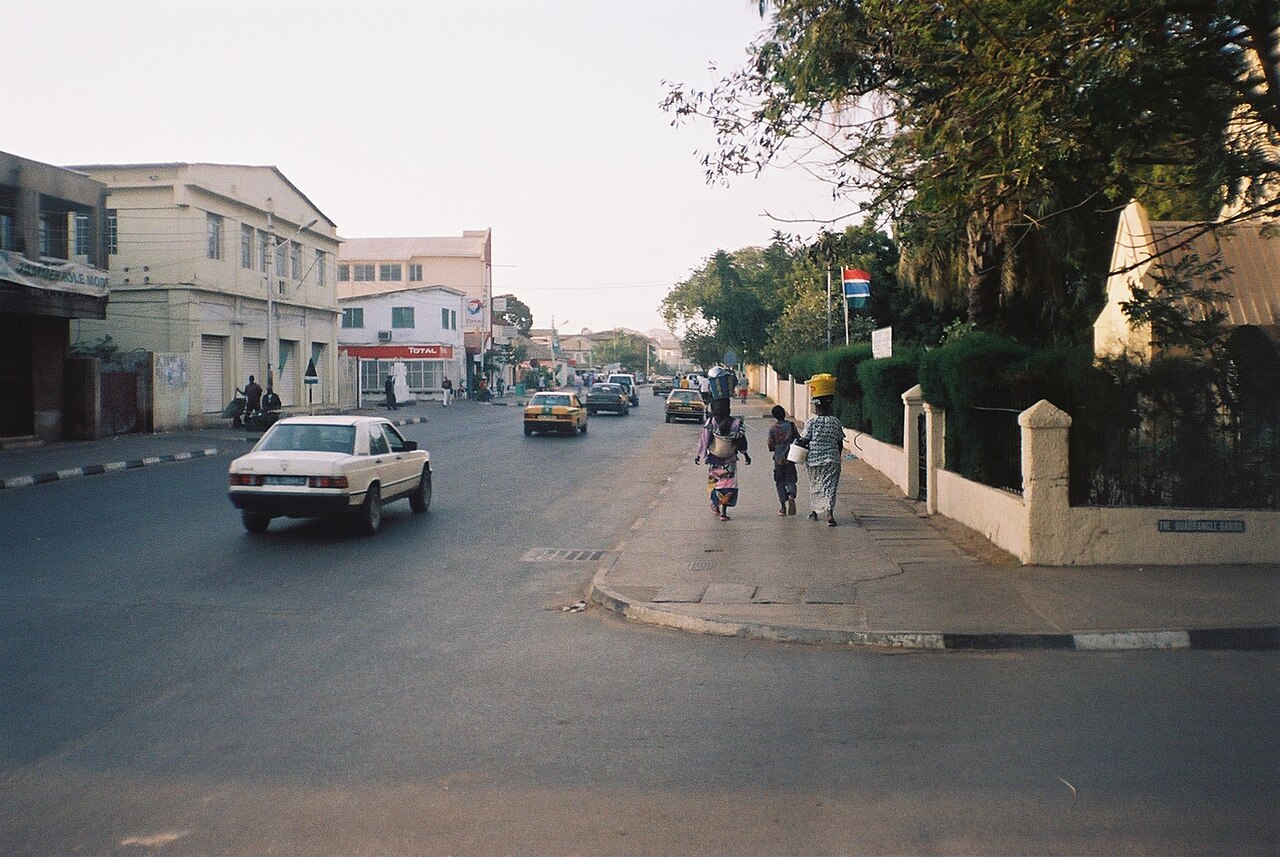
Bensouda announced his resignation in a video address on Friday 6 November, saying it was voluntary rather than a removal from office. He had led the council, the local government for the busy Serekunda area next to Banjul, since May 2018.
At his farewell he said he was leaving the mayor’s office but not the people it serves. He urged his successors to finish unfinished projects, including a market and a road and drainage scheme.
Why He Left Now
Bensouda said he resigned to pursue the presidency. He has since filed his candidacy papers with the Independent Electoral Commission (IEC), the body that runs elections.
He leads a political movement called UNITE (Unite Movement for Change), which he launched after stepping aside in September 2025 from the race to lead the United Democratic Party (UDP), the main opposition party. The election is on Saturday 5 December 2026, according to the IEC.
The Eligibility Question
A White Paper, the government’s official response to a local government commission of inquiry (an official probe), accepted adverse findings against Bensouda. The accusations could disqualify him from running for president.
Bensouda disputes the findings and says he is not disqualified. He says they point to structural problems in local government and not to personal misconduct.
The Independent Electoral Commission has not announced a decision on his nomination. As of 10 November we found no announcement of one.
What Prediction Markets Say
On Polymarket, a prediction platform, traders priced Adama Barrow at 76% and Ousainou Darboe, the UDP leader, at 20%, with Bensouda at about 1% on 10 November at 4:07 a.m. ET (these are bets, not polls). About US$17,500 has been traded on the market.
Why we show this: prediction markets turn real-money bets into a live probability that moves within minutes of the news, which is why investors, campaigns and newsrooms in the United States now follow them closely. We show them next to polls and official results, never instead of them.
What It Means for You
A contested candidacy can lead to court cases before the vote, so the IEC’s decision on Bensouda’s nomination is the next marker to watch. Gambian-Americans and investors can follow the full field in our nomination schedule and our report on President Barrow’s filing.
Our explainer on who holds power in Gambia sets out the parties behind the race. The voter register guide shows how many people can vote.
What Is Not Known
It is not known whether the IEC will approve Bensouda or whether the findings will be used to bar him. We found no date for a decision.
Frequently Asked Questions
Why did Talib Bensouda resign as mayor?
He said he resigned to pursue the presidency. He has since filed his candidacy papers with the IEC.
Can Talib Bensouda run for president?
The IEC has not yet decided. A government White Paper accepted adverse findings against him, which he rejects.
When is Gambia’s presidential election?
The election is on Saturday 5 December 2026, according to the IEC. We found no change to that date.
Sources
Independent Electoral Commission of The Gambia, iec.gm, election calendar · Polymarket, Gambia Presidential Election Winner, 10 November 2026
This article was produced by The Rio Times’ automated AI newsroom. Editorial responsibility: Matthias Camenzind, Publisher and Editor-in-Chief. The Rio Times also runs Ask Rio Times, which answers from 100,000+ of our own articles, the daily Latin America Power Map, and prediction-market odds on elections and markets.. How we use AI · Report an error