Future Gears: Toyota’s Hybrid Vision Takes Shape in Southeast Asia
Toyota is intensifying hybrid and EV efforts in Indonesia amid rising competition and environmental pressures, Southeast Asia’s key automotive battleground.
This strategic push includes the introduction of new hybrid models and plans for bolstering local production to meet both rising consumer demand and environmental targets.
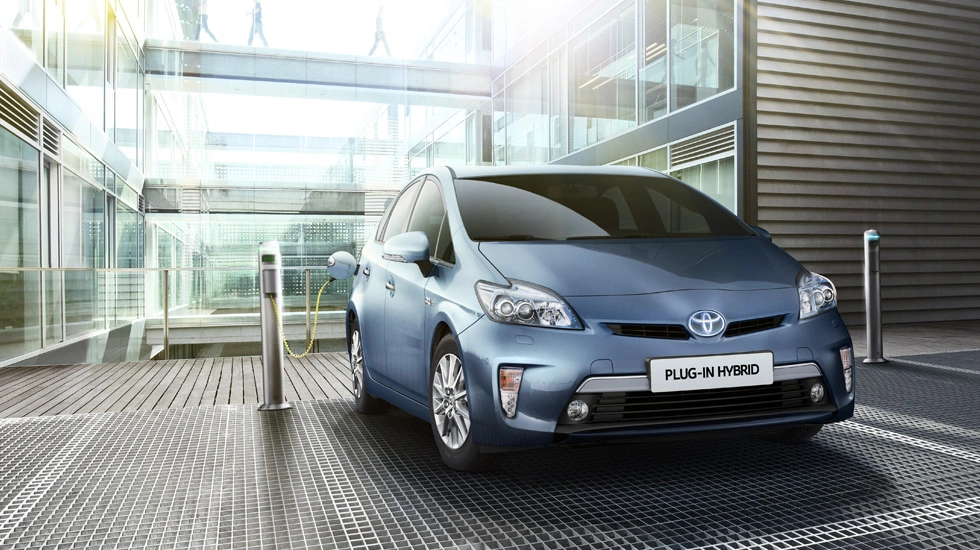
At the Gaikindo Indonesia International Auto Show, Toyota unveiled its newest Prius hybrids, a standard, and a plug-in version, both priced at approximately 698 million rupiahs ($43,255).
These vehicles, imported from Japan, aim to captivate potential buyers. The event occurred in a Jakarta suburb and concluded on July 28.
Holding over 50% of the market share in early 2024, Toyota continues to dominate, despite new entrants like BYD and BAIC Motor introducing their EVs.
In 2023, Toyota’s hybrid sales soared 5.2 times to about 54,000 units, while battery EV sales increased by nearly 70% to roughly 17,000 units.
Toyota’s Approach in Indonesia
The Indonesian government aims for net-zero emissions by 2060 and promotes EVs to leverage the country’s vast nickel resources, essential for EV batteries.
However, significant challenges remain, such as a shortage of charging stations—only 1,400 across Indonesia compared to 68,000 in the U.S.—and higher EV costs in this emerging market.
Toyota’s marketing strategy head, Lina Agustina, emphasizes a gradual shift towards electrification. The plan is to start local hybrid production before fully transitioning to battery-electric vehicles.
By 2030, Toyota targets having 35 BEV models globally, maintaining a balance between immediate hybrid availability and future BEV expansion.
Although government policies support BEVs, Toyota stresses the importance of a phased approach, addressing affordability and the impact of coal-powered electricity on the environment.
Currently, hybrids are deemed more suitable for Indonesia’s economic and infrastructural conditions.
Toyota’s approach in Indonesia blends adaptability with strategic foresight, securing its leadership while advancing sustainable automotive technologies.
Amid regulatory pressures and fierce competition, Toyota skillfully maneuvers through the evolving automotive landscape, focusing sharply on hybrids and EVs.
This article was produced by The Rio Times’ automated newsroom system. How we use AI · Report an error
Read More from The Rio Times