Published Monday, 26 October, 3:00 p.m. ET (8:00 p.m. Paris) · Source: ports and docks federation of the General Confederation of Labour (CGT)
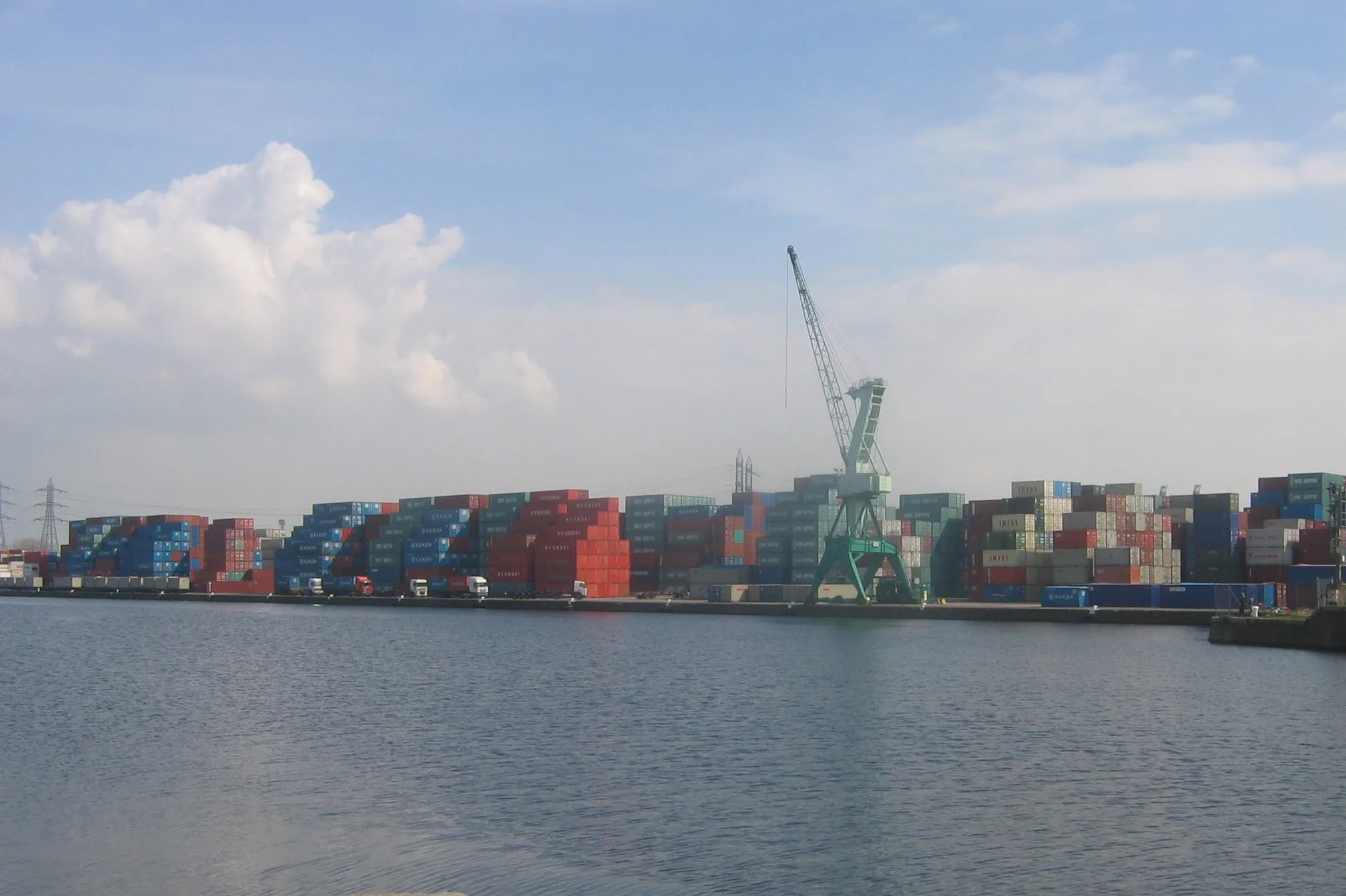
France’s ports are about to go quiet. The country’s main dockworkers’ union says it will halt them for 24 hours on Friday, 30 October, with its leader promising a stoppage of 95%.
The call comes from the ports and docks federation of the CGT (General Confederation of Labour), a major French union, and it lands in the middle of the wider France protests, the autumn wave of street demonstrations and strikes that has shaken the country.
Key Facts
- What happened: The CGT dockers’ union called a 24-hour strike for Friday, 30 October, at French ports.
- The numbers: Its leader says 95% of port activity will stop; it claims to represent 95% of dockers.
- What happens next: Hours are unpublished. Paris is five hours ahead of New York that day.
- Why it matters for US readers: Le Havre and Marseille-Fos are major gateways for transatlantic freight.
This story is part of our coverage of the why France is in crisis. Dates, times and how to follow it are in our guide.
In plain English
Dockers are the workers who load and unload ships. When they stop, cargo piles up on quays and vessels wait offshore.
This strike is a one-day protest against what it calls the militarisation of ports and against the government’s draft budget, not a pay dispute.
Why the Dockers Say They Are Walking Out
Tony Hautbois, the union’s secretary general, said on Monday, 26 October that “French ports will be at a standstill at 95%” on Friday. His federation says it represents nearly 90% of port-sector employees in France, 95% of the dockers who load and unload cargo and 87.5% of all port-handling staff.
Those are the union’s own figures, not an independent count of strikers. They tell us how many workers the CGT speaks for, not how many will actually down tools.
The call began in Europe. The European Dockworkers Council, a body of European dockers’ organisations, launched it, and federations in Turkey and India joined to say no to war and to the ongoing militarisation of ports, according to Hautbois.
At home, the French dockers add two targets. They contest what they call “the militarisation of installations at the initiative of the European Commission”, and they oppose the draft budget of the government of Prime Minister Sébastien Lecornu, whose guidelines they say “destroy our solidarity systems”.
Which Ports Are Called Out
The list is long: Boulogne, Brest, Dunkerque, Calais, La Rochelle, Le Havre, Rouen, Paris (Haropa, the group running the Seine ports), Lorient, Marseille, Roscoff, Bayonne, Bastia, Bordeaux, La Réunion, Nice, Ajaccio, Saint-Nazaire, Port-Vendres, Saint-Malo, Cherbourg, Sète, Toulon and Fos-sur-Mer.
That covers the Channel, Atlantic and Mediterranean coasts plus French territories overseas.
A Second Strike Is Already Coming
The port stoppage comes before a separate call from France’s main unions for all public- and private-sector workers to strike and march on Thursday, 5 November, over wages, jobs and public services. Our earlier report on the CGT’s push for wider strikes explains that call.
Nothing published so far says the two actions are formally linked. They do, however, share a calendar and a mood: a country where, after weeks of street protest, organised labour is now moving to the front.
What It Means for US Readers
Any US importer or exporter with goods routed through France should ask its freight forwarder now how a one-day stop will affect sailings, container pick-ups and delivery slots. Le Havre and Marseille-Fos rank among the country’s largest gateways.
A single day rarely breaks a supply chain, but it can leave a backlog that takes days to clear.
What Is Not Known
Nobody has yet published start and end times, port-by-port rosters or any minimum-service arrangements. It is also unclear whether the strike will stay at 24 hours, or how close the real stoppage will come to the union’s 95% forecast.
The government’s position on the strike was not part of the union’s announcement, and we have not seen an official reply.
Frequently Asked Questions
Which French ports will the 30 October strike hit?
The union lists 24 ports, including Le Havre, Marseille, Fos-sur-Mer, Dunkerque, Bordeaux, Bayonne and La Rochelle. Exact local hours have not been published.
Why are French dockers striking?
They protest the militarisation of ports, which they link to a European Commission push, and they oppose the Lecornu government’s draft budget. The call began with European and international dockers’ groups.
Sources: CGT ports and docks federation (statement by secretary general Tony Hautbois, 26 October 2026).
Editorial responsibility: Matthias Camenzind, Editor-in-Chief · Editorial standards · Report an error
France in Turmoil
- Why France Is in Crisis, and How Macron Lost His Grip
- Why Is France Protesting? Riots, Curfews and the 2027 Race
- Is It Safe to Travel to France Right Now? Curfews, Strikes
- Who Will Win France’s 2027 Election? Polls and Odds