France in Turmoil
Published Monday, 26 October, 6:46 a.m. ET (11:46 a.m. Paris) · Source: French Interior Ministry, Élysée Palace
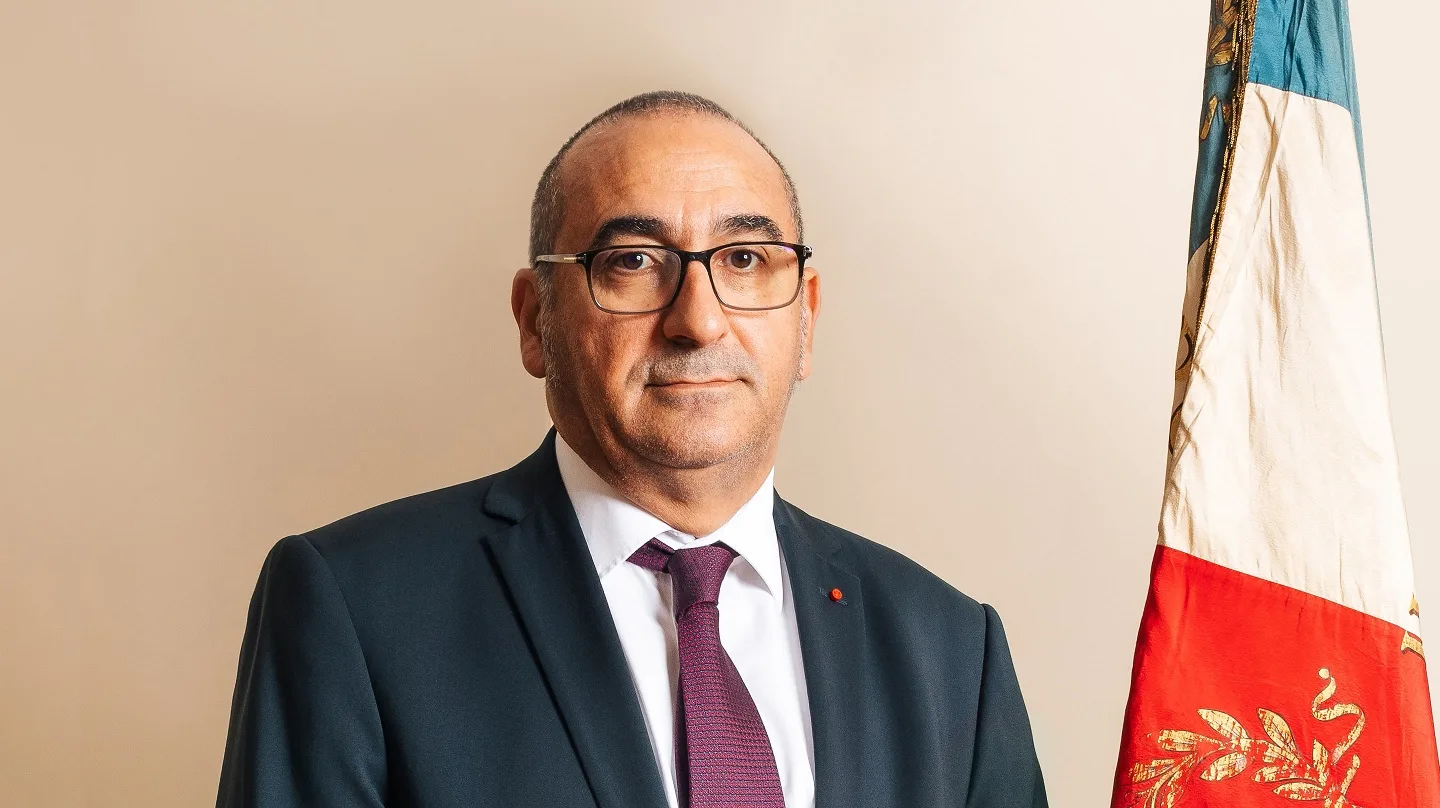
France woke up on Monday to the news that the night-time curfews are not over. Interior Minister Laurent Nuñez, the government’s top police official, said they will continue, while President Emmanuel Macron is due in Marseille to talk about the “return of order”.
The curfews follow two weekends of France protests over the cost of living, with riots and looting on 17 October and another tense day on 24 October. The numbers from Saturday explain why the government is not backing off.
Key Facts
- Curfews: Nuñez says the local night curfews will continue in the coming days.
- Arrests: 1,435 people were arrested on Saturday, 24 October, more than 100 of them for carrying weapons.
- Injuries: 267 police officers and gendarmes (military police) and 150 protesters were hurt, three protesters seriously.
- Next test: Saturday, 31 October, when the minister expects another difficult day.
This story is part of our coverage of the why France is in crisis. Dates, times and how to follow it are in our guide.
In plain English
A curfew here means people may not be on certain streets at night, and only in the areas the local authorities pick. France has not declared a state of emergency, so these are targeted limits, not a national lockdown.
Why the Curfews Stay
Nuñez described Saturday as a “controlled” day, yet the figures he gave are heavy. He also acknowledged a very high level of violence against officers.
That is the reasoning for keeping the night limits for now. The government prefers narrow, local rules to a nationwide emergency decree.
How We Got Here
After the riots of 17 October, Nuñez offered to resign on 18 October. Macron refused on 19 October and asked him for new ways to stop the vandals.
The same day Prime Minister Sébastien Lecornu asked regional prefects, the state’s local representatives, to impose partial and very localised curfews. In Paris the restrictions cover the Place de la République area and the Les Halles shopping district in the centre of the city from 11 p.m. to 6 a.m., according to the rules set on 19 October
Macron Goes to Marseille
Macron’s trip to Marseille, France’s second city, is framed around restoring order after the unrest. The 17 October riots hit several French cities.
The Élysée has not published a detailed programme in the sources we could confirm, so the exact timing of his visit is not known.
What Comes Next
Nuñez warned that Saturday 31 October, Halloween, could again be complicated and said police would deploy an “extremely robust” force. Yellow Vest protest groups, a loose movement named after the high-visibility jackets worn at its demonstrations, have called for action that day.
A bigger test follows on Thursday 5 November, when the main trade unions (CFDT, CGT, FO, UNSA and FSU) have called a national strike over budget cuts. The government has not said whether the curfews will still be in force by then.
What It Means for US Readers
Travellers should expect local night restrictions in affected city centres this week, and check city and prefecture notices before going out after dark. Our guide to why France is protesting explains the background in plain terms.
For investors, the unrest adds to political risk ahead of the 2027 presidential race. We will update this story as the numbers change.
What Is Not Known
Officials have not published, in the sources we could confirm, the exact number of curfews, their hours or their boundaries in every city. The orders differ from town to town.
The injury and arrest tallies may still change, and there is no split of the 1,435 arrests by city yet. Whether the curfews will still apply on 5 November is open.
Frequently Asked Questions
Will the curfews in France continue?
Yes for now. Interior Minister Laurent Nuñez said on Monday 26 October that the local curfews will continue in the coming days.
How many people were arrested on 24 October?
The interior minister gave 1,435 arrests, with more than 100 for carrying weapons. He also reported 267 injured police officers and gendarmes and 150 injured protesters.
Sources
French Interior Ministry statements (26 October 2026), Élysée Palace, Prime Minister’s Office, Marseille city authorities, Prefecture of Police of Paris.
This article was produced by The Rio Times’ automated newsroom system. How we use AI · Report an error · Editorial responsibility: Matthias Camenzind, Editor-in-Chief
France in Turmoil
- Why France Is in Crisis, and How Macron Lost His Grip
- Why Is France Protesting? Riots, Curfews and the 2027 Race
- Is It Safe to Travel to France Right Now? Curfews, Strikes
- Who Will Win France’s 2027 Election? Polls and Odds