France to Send Troops to Protect Saudi Red Sea Oil Port
Djibouti · GEOPOLITICS
Key Facts
- —The context The Red Sea port of Yanbu is Saudi Arabia’s main oil outlet while war largely shuts the Strait of Hormuz.
- —What happened President Emmanuel Macron said on Thursday, Sept. 24, that France will send soldiers, radars and defence systems to Yanbu.
- —France’s military Global Firepower ranks France sixth of 145 militaries in 2026, ahead of Japan, Britain and every other EU country.
- —The threat Yemen’s Houthis fired missiles at Yanbu that day; drones from Iraq hit the East-West Pipeline feeding it on Sept. 10, forcing a shutdown.
- —The mandate Macron said the plan was agreed with Riyadh and aims to protect the site, not to join any conflict.
- —What is still open Troop numbers, exact systems and timing were not given; Macron did not rule out sending Rafale fighter jets.
France will send soldiers, radars and defence systems to protect the Saudi Red Sea oil port of Yanbu. President Emmanuel Macron said on Thursday, Sept. 24, that the aim is to protect the site, not to join any conflict.
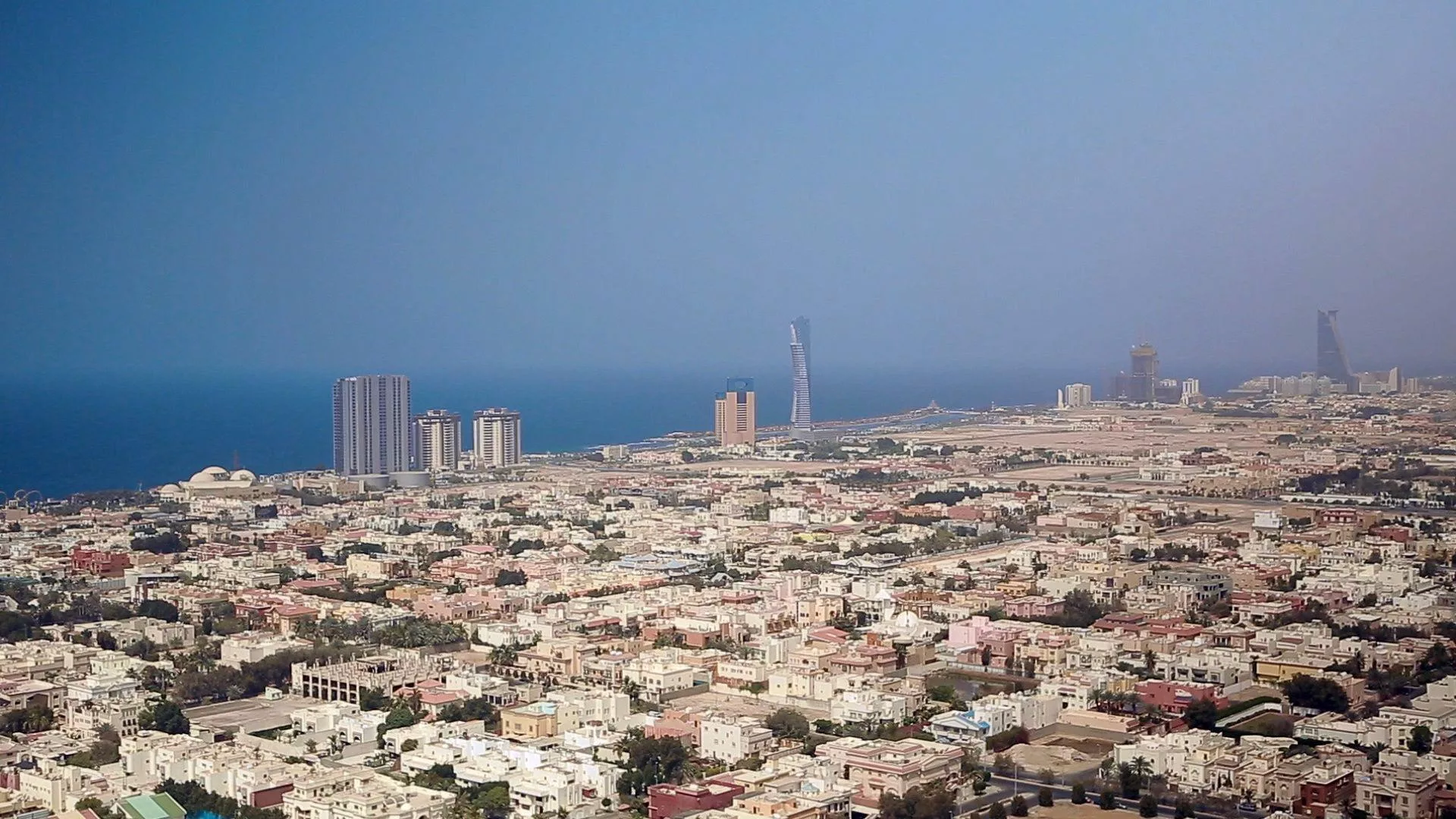
Macron announced the move in a prime-time interview with French channels TF1 and France 2 on Thursday evening. He said the plan had been finalised with Saudi Arabia.
“We are going to send military assets, meaning soldiers, radars and defence systems, to protect this site,” Macron said. He added that France was not getting involved in any conflict.
Why France is moving to protect Yanbu
The announcement came after Yemen’s Iran-backed Houthi rebels fired missiles toward Yanbu and the Saudi city of Taif earlier that day. The Saudi-led coalition fighting the Houthis said it intercepted all six ballistic missiles.
The Houthis later claimed strikes on facilities of Aramco, the Saudi state oil company, in Yanbu. Saudi Arabia did not immediately confirm any damage.
Yanbu is the end point of the East-West Pipeline, which carries Saudi crude across the country to the Red Sea. That route matters because the US-Israeli war with Iran, which began in February, has largely shut the Strait of Hormuz.
Drones launched from Iraq hit the pipeline’s pumping stations on Sept. 10, and Saudi Arabia said the next day it had shut the line. Pumping has resumed, but tanker loadings at Yanbu had not restarted by Thursday, Reuters reported.
Macron said more than 5 million barrels a day were leaving the site a few weeks ago. Data cited by Reuters put pipeline flows at 4 million to 5 million barrels a day earlier in the war.
For France, where diesel prices hit a record this month, Yanbu’s exports matter directly to prices at the pump.
The defensive framing matters. It lets Paris deepen security ties with Riyadh without committing French forces to fighting in Yemen.
The great-power contest around Red Sea energy chokepoints
The deployment sits inside a wider competition among global powers around Red Sea and Gulf energy routes. France is reinforcing a security partnership with Saudi Arabia while signalling that European states will protect infrastructure central to oil flows.
Yanbu’s role has grown because Hormuz, which carried about a fifth of the world’s oil before the war, is largely shut. That makes the port a natural focus for outside powers seeking to stabilise energy markets.
The Houthi missile threat has turned the Red Sea into a testing ground for air-defence cooperation. France’s radar and defence systems are meant to intercept exactly the kind of attacks that have already hit Saudi targets.
What the deployment means for Saudi Arabia and the Gulf
For Riyadh, French troops add another layer of protection to critical export sites, so Saudi forces need not carry the burden alone. It also deepens a security relationship that has grown beyond traditional arms sales.
The move comes as Riyadh faces pressure on two fronts. The Iran war has largely closed Hormuz, while the Houthis have imposed a naval blockade on Saudi Arabia since July.
By agreeing to host French troops and systems, Saudi Arabia is signalling that it welcomes more European help defending its energy lifelines. France would not be the first European country to take on that role.
Greek personnel have operated a US-made Patriot air-defence battery in Saudi Arabia since 2021 to protect energy sites. On Thursday it shot down a ballistic missile and a drone in the wider Yanbu region, Greek security sources told Reuters.
How the French and Saudi militaries compare
Global Firepower, an online index that ranks 145 countries on dozens of military and economic factors, puts France sixth in its 2026 edition. France moved up and now stands ahead of Japan in seventh and Britain in eighth.
The index lists France with 264,000 active troops, 974 military aircraft and a defence budget of about US$67 billion. It also counts 166 naval vessels, including one aircraft carrier, the Charles de Gaulle.
Saudi Arabia ranks 25th, down on last year. Its defence budget is of a similar size, about US$64 billion, and its air force lists 283 fighter jets against France’s 223.
The clearest gap is at sea, where the index lists 32 Saudi naval vessels against France’s 166. Rankings like this are a rough guide, since they weigh equipment and budgets rather than training or readiness.
The regional read-through from Djibouti to the Red Sea
Djibouti sits at the southern entrance to the Red Sea, across the Bab el-Mandeb strait from Yemen. The French deployment to Yanbu, far to the north, still shapes the security environment in which Djibouti operates.
France keeps about 1,500 troops in Djibouti, its largest military base in Africa. The new mission to Saudi Arabia extends French reach along the same waterway that passes Djibouti’s coastline.
For Eastern Africa, the move is a reminder that Red Sea security is increasingly contested. This month Houthi fighters seized Mayun, also known as Perim, an island inside the Bab el-Mandeb strait.
That advance put them about 32 kilometres (20 miles) across the strait from Djibouti, home to the main US military base in Africa.
The broader pattern fits what the Rio Times tracks in Africa: The New Scramble. Outside powers are competing harder for influence over African and Red Sea infrastructure.
Who gains and who loses from the French move
Saudi Arabia gains a European security partner committed to defending its export route. France gains a stronger foothold in Gulf security and a clearer role in protecting global energy flows.
The Houthis and their Iranian backers could find it harder to target Yanbu without risking a clash with French forces. Iran’s President Masoud Pezeshkian denied on Thursday that Tehran directs Houthi battle plans.
Global oil markets may see the deployment as a stabilising signal. A better-defended Yanbu would help Saudi crude keep flowing while Hormuz stays largely shut.
What to watch next
The key question is how the Houthis respond to French forces on Saudi Arabia’s Red Sea coast. Any attack on Yanbu after French systems arrive would test the defensive mission Macron has described.
Watch also whether other European states join France and Greece. A broader European commitment to Red Sea energy security would mark a significant shift in the region’s balance of power.
Troop numbers, the specific systems and a start date have not been disclosed. Macron did not rule out sending Rafale fighter jets, saying France has some in the region and will decide as needs evolve.
Frequently Asked Questions
What is France sending to protect the Saudi Red Sea oil port?
France will send soldiers, radar systems and defence systems to Saudi Arabia to help protect the Red Sea port of Yanbu. Troop numbers and the specific systems have not been disclosed.
Why is Yanbu strategically important for Saudi oil exports?
Yanbu is the end point of the East-West Pipeline, which carries Saudi crude across the country to the Red Sea. It lets the kingdom export oil while the Iran war has largely shut the Strait of Hormuz.
Is France joining the war in Yemen?
No. President Emmanuel Macron said the mission is to protect the Yanbu site, not to involve France in any conflict.
Connected Coverage
Sources
- globalfirepower.com (2026 Military Strength Ranking)
- jpost.com (Reuters)
- devdiscourse.com (Reuters)
- france24.com (AFP)
- actu.fr (AFP)
- tbsnews.net (Reuters)
- reuters.com
- reuters.com
- arabnews.com
- pbs.org (AP)
- aljazeera.com
- aa.com.tr
This article was produced by The Rio Times’ automated newsroom system. How we use AI · Report an error
Read More from The Rio Times