France in Turmoil
Published Friday, 30 October, 3:50 a.m. ET (8:50 a.m. Paris) · Source: Insee, French Economy Ministry, CGT ports and docks federation
France woke up to a shrinking economy and a nationwide port strike on the same Friday. The French economy shrank 0.1% between July and September, Insee, the national statistics office, said on Friday, 30 October.
It is the second quarterly fall this year, and it lands in a country already shaken by unrest, tracked in our France protests coverage. Exports did the damage, falling 1.7% after a 2.8% gain the quarter before.
Key Facts
- What happened: GDP fell 0.1% in the third quarter, after zero growth in the second and a 0.2% fall in the first.
- Why: Exports fell 1.7%, cutting 0.6 points from growth; imports rose 0.1%.
- Minister: Economy Minister Roland Lescure says France’s economy is “at a standstill” in 2026.
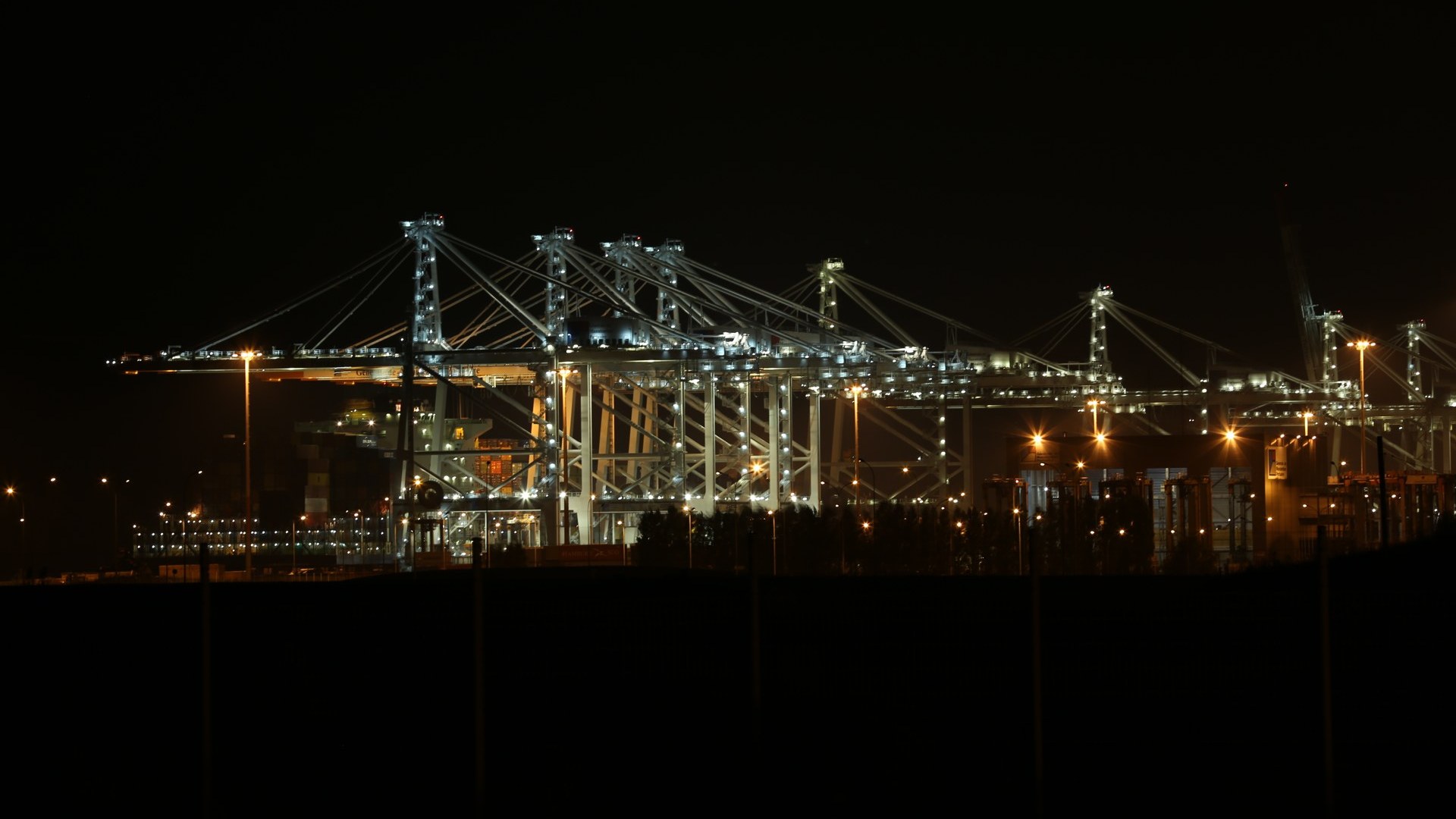
- Same day: a 24-hour national port strike, called by the CGT, a major French union federation.
This story is part of our coverage of the why France is in crisis. Dates, times and how to follow it are in our guide.
In plain English
GDP is the total value of everything a country produces. France’s fell slightly for the quarter, mostly because it sold less abroad, while dockworkers began a one-day strike on Friday.
Exports Drag the Economy Down
Insee’s first estimate puts third-quarter GDP at minus 0.1%. The second quarter showed no growth, and the first quarter fell 0.2%.
Foreign trade subtracted 0.6 points from growth, against a 0.6-point boost in the second quarter. Imports barely moved, up 0.1% after 0.9%.
Household spending was the bright spot, rising 0.4% after 0.2%. Total investment fell 0.6%.
Exports of transport equipment, a category that includes aircraft, fell 9.1% after a 20.8% jump in the second quarter. Farm exports dropped 7.0%.
Together these swings turned a strong summer for sales abroad into a weak one. Imports did not offset it, so trade pulled the whole economy lower.
Minister Says the Economy Has Stalled
Economy Minister Roland Lescure said on Friday that “in 2026, the French economy is at a standstill.” He blamed lower farm output after a summer heatwave and weaker energy production.
The government had pencilled in 0.5% growth for the year. Insee and the Banque de France, the central bank, expect 0.4%, a target that now looks harder to reach.
Why Dockers Walked Out
The CGT’s ports and docks federation, part of the Confédération générale du travail, which says it represents about 90% of port workers, called a 24-hour strike for Friday. It says French ports would be 95% shut.
The ports of Sète and Port-Vendres in the south were among those affected. The union is protesting what it calls the “militarisation” of ports and a drift toward a “war economy.”
The strike falls after the July–September period, so it cannot explain the GDP figure. Our earlier port strike preview has the background.
What It Means for US Readers
France is the eurozone’s second-largest economy, so a stall there weighs on European demand for American goods and services. US firms that ship through French ports may see delays while the strike lasts.
A weak quarter also sharpens the budget fight in Paris. Investors in French bonds will watch how the government answers.
The drop in aircraft and farm exports matters to any US supplier or buyer in those chains. It shows demand from abroad cooled just as French household spending held up.
What Is Not Known
Nobody has yet confirmed how many dockworkers struck or how many ports actually stopped. The 95% figure is the union’s own claim.
Insee’s first estimate can be revised in later releases.
Frequently Asked Questions
Why did the French economy shrink?
Insee, France’s national statistics office, says exports fell 1.7% in the third quarter. Transport equipment, farm goods and machinery sold abroad all dropped. Household spending still grew 0.4%.
What did the economy minister say?
Roland Lescure said the French economy is at a standstill in 2026. He blamed lower farm output after a heatwave and weaker energy production for the third-quarter shortfall.
Sources: Insee, Informations rapides no. 263, 30 October 2026 (insee.fr); French Economy Ministry statements; CGT ports and docks federation.
This article was produced by The Rio Times’ automated newsroom system. How we use AI · Report an error · Editorial responsibility: Matthias Camenzind, Editor-in-Chief