Europe Intelligence Brief — Wednesday, November 4, 2026
Executive Summary
Europe Intelligence Brief for November 4: Russia hits Ukraine's grid with 289 drones, Abu Dhabi talks loom, and the AfD leads Germany at 26 percent.
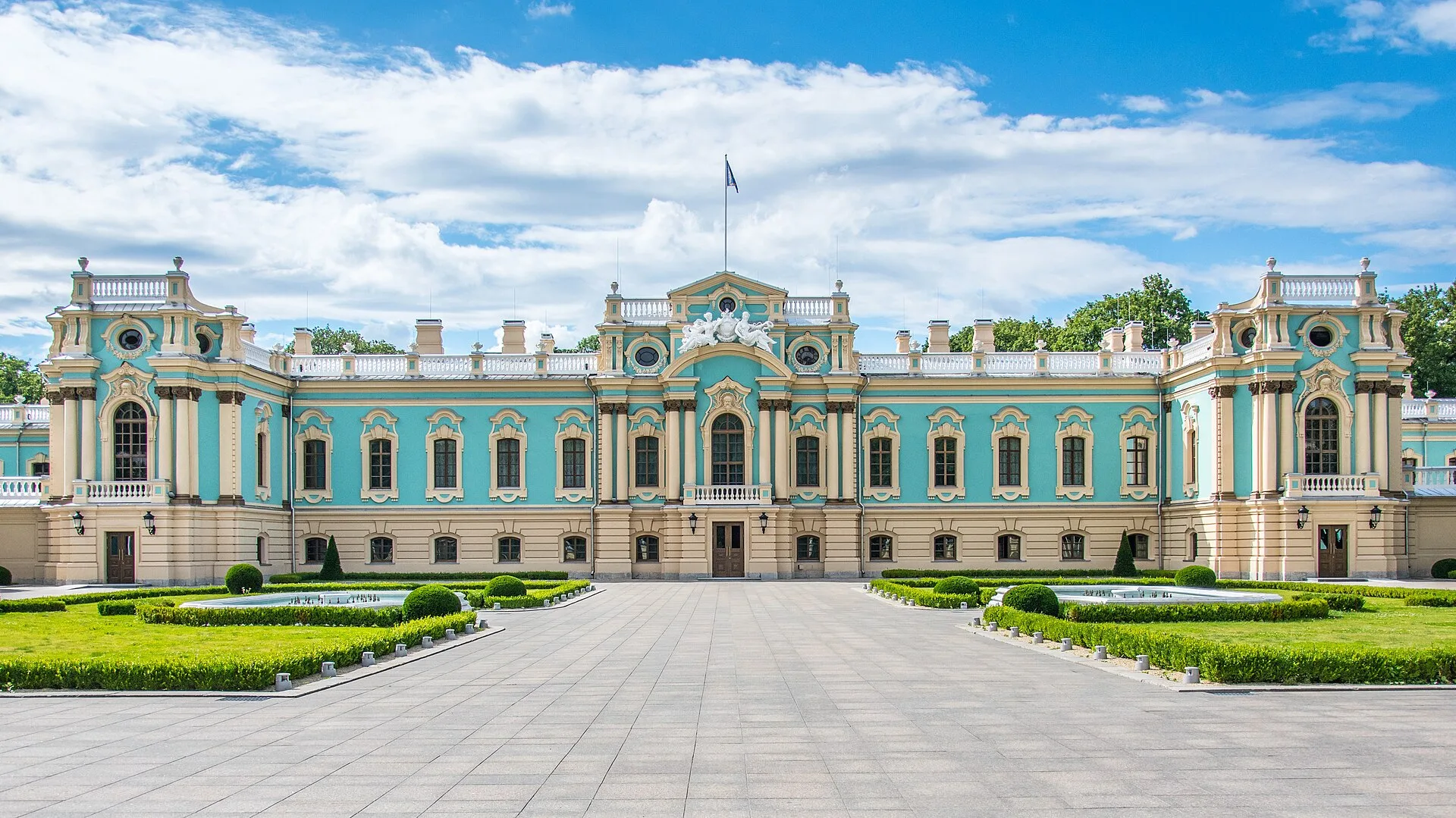
Europe wakes on Wednesday in a mood of exhausted vigilance, with Ukraine’s grid under fire, Poland’s courts under police watch and households squeezed by rising prices. Beneath it runs a hope that a new political balance in Washington might change the course of the war.
Publics answer in the street, as the Gen Z regelt initiative demonstrated at the Brandenburg Gate against rearmament policies. Poland’s courts show the same split inside the state, with each camp claiming the institution as its own.
The through-line is a continent that is arming, arguing and paying for it all at once. Trust in institutions is thinning on every front, and leaders ask for patience while voters ask who will carry the cost.
Key Facts
Ukraine. Russia fired 289 attack drones plus missiles overnight on 2–3 November, killing 38 and injuring 167.
Zaporizhzhia. A Russian bomb killed at least 37 at an aid-centre school; over 50 may be trapped.
Poland. The disputed Constitutional Tribunal held its first meeting and advanced disciplinary proceedings against Chief Justice Bogdan Święczkowski.
Germany. Latest poll: AfD 26 percent, CDU/CSU 20, Greens 17, SPD 14, Linke 11, FDP 4.
Eurozone. October inflation is expected at 4.0 percent, up from 3.8 percent in September.
Ukraine: Endurance Under A Darkened Grid
The Kyiv Independent called the strike of 2 and 3 November Russia’s largest energy attack this year, and the dead in Zaporizhzhia turned a story about power cuts into a story about grief. The timing matters because Steve Witkoff announced trilateral talks, which ISW analysis republished by Kyiv Post places on 10 and 11 November in Abu Dhabi.
Democrats won both the Senate and the House on 4 November, and Representative Victoria Spartz, who had urged Ukraine to cede territory, lost her seat. The vote was attributed to anger over living costs, tariffs and fuel prices after the war against Iran, which tells a US reader that Ukraine’s hopes now rest on a domestic mood that has little to do with Ukraine itself.
Poland: A Court, A Border And Two Camps
Police are deployed outside the Tribunal as the dispute over its first meeting continues. Each camp claims the same institution as its own, so a procedural dispute has become a test of who owns the state.
On the frontier, Notes from Poland reported on 2 November a security operation with counter-terrorism police after sabotage reports, and ISW said on 3 November that Polish authorities prevented a Russian provocation overnight. For Washington, the lesson is that a key NATO ally is managing a constitutional crisis and a border alert at the same time, and that its leaders do not speak with one voice.
Germany: Distrust Of The Old Centre
DAWUM’s listing of the Forsa poll for RTL and ntv, published on 3 November, shows a conservative bloc trailing the AfD and the SPD behind the Greens. It is a picture of voters who no longer believe the old centre can deliver, and of a governing coalition that looks tired.
The Gen Z regelt initiative marched at the Brandenburg Gate, with attendance estimates ranging from 5,000 to 11,000 and pro-Palestine activists among the crowd. The marchers show that rearmament, settled in government offices, is not settled in the street, which matters for any US hope that Europe will carry more of its own defence.
Italy And Spain: Calm Deals, Public Grief
Italy performs steadiness: ANSA reported that the government and unions agreed with Electrolux to halve planned Italian job cuts to 902. The mood is transactional calm, with Rome protecting its factories at home.
In Spain, Transport Minister Óscar Puente quit on 3 November over the railway record he was defending in Congress, and Prime Minister Pedro Sánchez named Economy Minister Carlos Cuerpo to cover Transport on 4 November. Grief over the train crash is turning into a demand for accountability, with the 29 November election now framing every explanation.
Brussels: Anxiety About Arms And Attacks
An EU document says Europe’s rearmament faces a reality check despite record defence spending, and the proposed EU KIDS Act would extend child-protection rules to online games, video-sharing sites and AI chatbots. The two stories show a bloc worried about threats it can see on the border and threats it cannot see on a screen.
A cyberattack hit Crédit Mutuel Arkéa, and Italian Interior Minister Matteo Piantedosi called the supermarket refrigeration hacking an EU-wide coordinated initiative. The Enlargement Summit of 3 November, with António Costa and prime ministers from Albania, North Macedonia, Armenia and Croatia, shows Brussels still offering a door to the east even as it fears attack at home.
What This Means From Latin America
With euro-area inflation expected at 4.0 percent in Eurostat’s flash release, European demand and the fuel prices tied to the war against Iran will shape earnings for energy and commodity exporters in Brazil, Argentina and Mexico. A Democratic Congress, elected on 4 November, could also slow US tariff policy and with it the routing of EU–Mercosur trade.
A result in Abu Dhabi on 10 and 11 November would move grain, fertiliser and oil flows that matter to Brazilian, Argentine and Mexican producers. Spain and Italy are Europe’s main diplomatic links to the region, and the Electrolux cuts may crowd out their Latin American agenda in the weeks ahead.
What We Are Watching
- Thursday, 5 November, 4:00 a.m. ET: Norway interest rate decision — The rate is forecast at 4.5 percent, unchanged. A hold would show a Nordic central bank unmoved by continental anxiety.
- Thursday, 5 November, 7:00 a.m. ET: Bank of England interest rate decision — The rate is forecast at 4 percent, against 3.75 percent previously. It sets the tone for a UK that Brussels courts on security.
- Thursday, 5 November, 8:30 a.m. ET: Czech interest rate decision — The rate is forecast at 4 percent, against 3.75 percent previously. It shows whether central Europe is tightening as prices rise.
- Friday, 6 November, 2:00 a.m. ET: German industrial production for September — Output is forecast at -0.2 percent, against 2 percent previously. A fall would feed the unease behind Germany’s polls.
- Tuesday and Wednesday, 10 and 11 November: US-brokered Russia-Ukraine talks in Abu Dhabi — They will test whether the strikes of this week harden or soften positions.
Background: BRICS Summit Adds Nobody, China Chairs 2027.
Background: Who Runs Brazil’s Economy in 2026? Key Players.
Frequently Asked Questions
What happened in Ukraine on 2 and 3 November?
Russia launched ballistic missiles, cruise missiles and 289 attack drones at Kyiv, Kharkiv, Dnipro and Vinnytsia. The attack killed 38 and injured 167, and it was Russia’s largest energy attack this year.
When are the US-brokered talks on Ukraine?
ISW analysis republished by Kyiv Post places the trilateral talks between Russia, Ukraine and the US on 10 and 11 November in Abu Dhabi. Steve Witkoff announced them.
What is the dispute over Poland’s Constitutional Tribunal?
The tribunal, taken over by government-backed judges, is at the centre of the dispute. Chief Justice Bogdan Święczkowski was suspended on 30 October.
How do the US midterms affect Europe?
Democrats won the Senate and the House on 4 November, which Ukrainians see as potential leverage. The vote was attributed to anger over living costs, tariffs and fuel prices after the war against Iran.
This article was produced by The Rio Times’ automated AI newsroom. Editorial responsibility: Matthias Camenzind, Publisher and Editor-in-Chief. The Rio Times also runs Ask Rio Times, which answers from 100,000+ of our own articles, the daily Latin America Power Map, and prediction-market odds on elections and markets.. How we use AI · Report an error
LatAm Markets: Live Signals → — real-time movers, turnover leaders and FX across Latin America.
Read More from The Rio Times