Euro Area Inflation Hits 4.0%, Why Latin America Cares
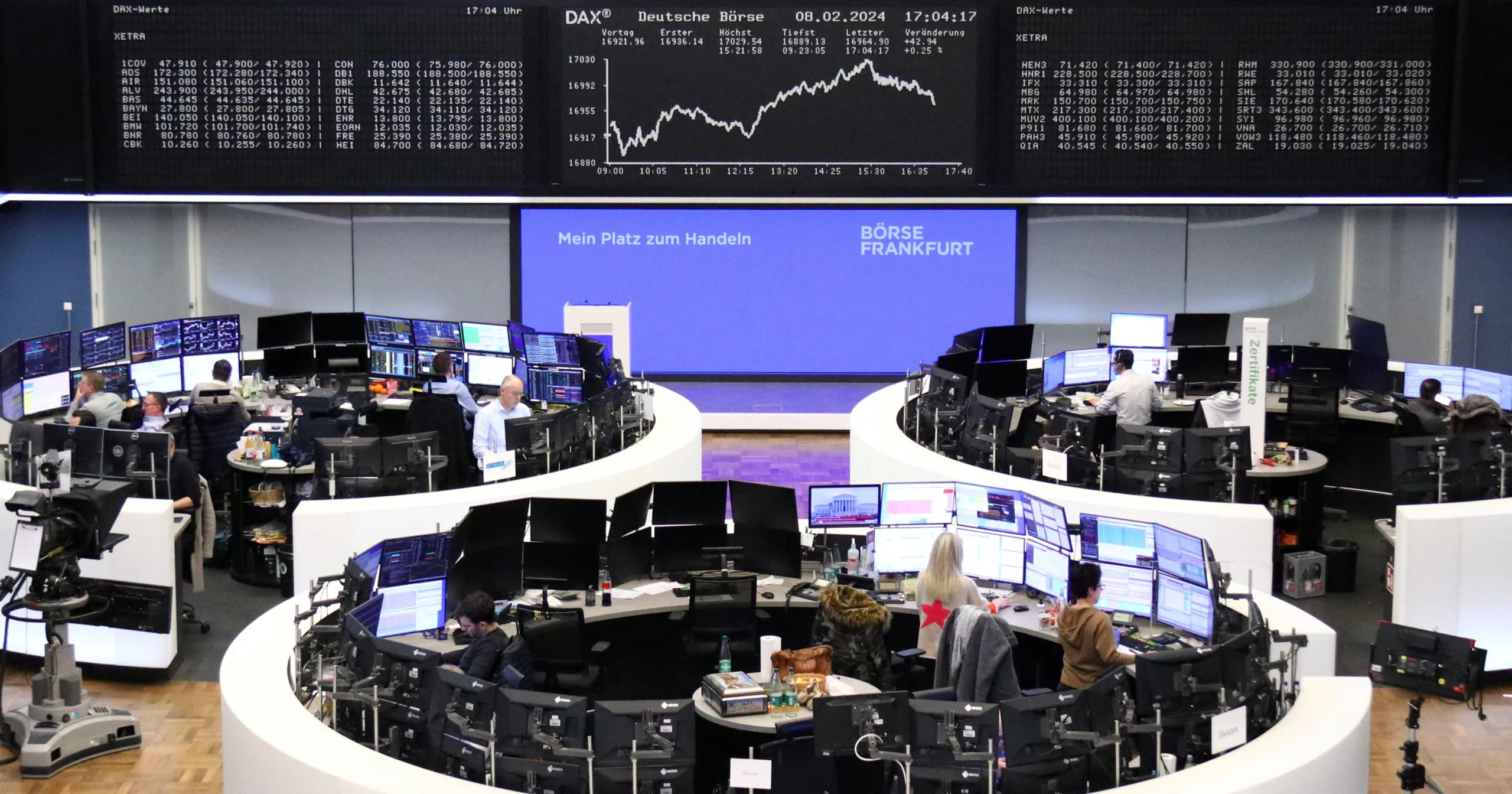
GERMANY · ANALYSIS
Key Facts
- What is happening Eurostat’s flash estimate puts euro-area annual inflation at 4.0% for October 2026, up from 3.8% in September.
- Why it matters Energy prices, tied to the war against Iran, drive the rise and push the European Central Bank towards another rate increase.
- The numbers Energy inflation was 20.8% and services 3.3% in October 2026 (Eurostat); Brazil’s exports to the EU rose 60.1% in September 2026 to US$6.95 billion (MDIC data).
- Who is who Christine Lagarde, ECB President, steps down on 7 February 2027, and no successor has been named.
- What to watch ECB decisions are data-dependent and taken meeting by meeting.
- What it means for you Higher energy costs in Europe and a firmer ECB can move the euro-dollar rate, which affects US importers, travellers and investors with euro exposure.
Euro area inflation in 2026 has climbed to 4.0%, and the European Central Bank is expected to keep tightening, which tends to favour commodity exporters selling into Europe while raising the cost of energy for everyone. For a reader in the United States, the effect runs through the euro-dollar exchange rate, oil prices and the competitiveness of Latin American suppliers.
The euro area is the group of EU countries that share the euro, and it is a large buyer of Latin American oil, grain and food. This analysis explains what the latest inflation reading means for exporters in Brazil, Argentina and Mexico, as covered in the Europe Intelligence Brief.
What the Latest Inflation Reading Shows
Eurostat, the EU’s statistics office, published its flash estimate on 4 November 2026. It puts euro-area annual inflation at 4.0% for October, up from 3.8% in September and 3.2% in August.
The euro area has 21 members since Bulgaria joined on 1 January 2026.
The Components
Energy is the main driver, and the Europe Intelligence Brief ties fuel prices to the war against Iran. Services are the secondary pressure.
- Energy: 20.8% a year in October 2026, against 18.9% in September (Eurostat).
- Services: 3.3%, against 3.2% in September (Eurostat).
- Food, alcohol and tobacco: 1.6%, against 1.3% (Eurostat).
- Non-energy industrial goods: 1.2%, against 1.1% (Eurostat).
A Wide Spread Across Countries
Among euro area members, Lithuania was highest in October at 6.1%, followed by Bulgaria at 6.0% and Greece at 5.6%, according to Eurostat’s flash estimate. Germany looks calmer on its own measure.
Destatis, the German statistics office, reported national consumer-price inflation of 2.8% in October 2026, down from 3.3% in September, with energy at 12.2%.
The ECB’s Stance and Who Decides
The ECB held rates at its 29 October 2026 meeting. Decisions are data-dependent and taken meeting by meeting.
The People and Institutions
Christine Lagarde, ECB President, leads the bank and will step down on 7 February 2027. No successor is named.
Press reports mention Klaas Knot, Pablo Hernández de Cos, Isabel Schnabel and Joachim Nagel, but that is speculation, not nomination.

What It Means for Brazil, Argentina and Mexico
Brazil is the clearest winner so far. Its exports to the EU rose 60.1% in September 2026 to US$6.95 billion, according to Times Brasil, which reported MDIC data (Brazil’s trade ministry).
From January to September, exports to the EU rose 20% to US$44.15 billion.
Oil and the Trade Surplus
A Brazilian legal-sector report says Europe overtook China as the main destination for Brazilian oil exports in September. FGV’s Icomex trade indicator says the EU led the rise in Brazil’s trade surplus because of the oil jump.
MDIC still cut its 2026 trade surplus forecast to US$84.4 billion from US$90 billion. The fourth week of October showed a US$1.7 billion surplus on exports of US$8.5 billion.
The EU-Mercosur Channel
Argentina, Brazil, Paraguay and Uruguay signed the agreement with the EU on 17 January 2026. The Commission announced that the interim trade agreement would apply provisionally from 1 May 2026 to Mercosur countries that had completed ratification.
The European Parliament referred the wider agreement to the Court of Justice of the EU on 21 January 2026, which holds up Parliament’s own approval. We found no date for the court’s opinion.
Argentina and Mexico
We found no verified 2026 data on euro-area demand for Argentine or Mexican goods. The Europe Intelligence Brief says fuel prices tied to the war against Iran will shape earnings for exporters in all three countries.
That makes the oil and grain price path the shared variable. Argentine grains and Mexican oil and manufacturing therefore remain a gap in this analysis.
The Euro-Dollar Rate and the Scenarios
The euro fell to about $1.11 after the ECB hold, according to Trading Economics. In general, a higher ECB rate supports the euro, and a stronger euro raises the dollar value of what Latin American exporters earn in euros.
Higher oil prices work against that, because Europe pays for energy in dollars.
Scenario One: Energy Eases
If talks reduce fuel prices, euro-area inflation could ease and the ECB could pause. This is a scenario, not a forecast.
Oil exporters would then earn less per barrel, while grain and food exporters would gain from steadier European demand. Russia said talks with Ukraine and the US are planned for the first half of November in Abu Dhabi.
Scenario Two: Energy Stays High
If energy inflation stays near 20%, a December rate rise becomes more likely and European demand could weaken. This is also a scenario, not a forecast.
Exporters would gain on price but face a slower European buyer. The brief adds that a Democratic-controlled US Congress could slow US tariff measures, which could affect how EU-Mercosur trade is routed.
What It Means for You
A US reader with euro holdings or European travel plans is exposed to the euro-dollar rate, which the ECB’s path and oil prices both move. Energy-driven inflation in Europe also tends to keep global fuel and food costs elevated.
US importers of Brazilian goods may find European buyers competing for the same cargoes. Investors in Latin American commodity names should watch the oil price and the December ECB decision together.
What Is Not Known
The October core inflation figure and a reliable EUR/USD level for 4 November are also missing. Country rankings differ between sources, so we avoid naming the lowest-inflation member.
The Court of Justice opinion date, Argentine and Mexican export data for 2026, and Lagarde’s successor are all unknown.
What to Watch
- First half of November 2026: talks with Russia, Ukraine and the US planned in Abu Dhabi.
- 11 November 2026: Destatis final German consumer-price figures for October.
- 18 November 2026: Eurostat full euro-area October inflation data.
- 7 February 2027: Lagarde steps down.
- 3–4 February and 17–18 March 2027: next ECB meetings.
Frequently Asked Questions
What is euro area inflation in October 2026?
Eurostat’s flash estimate puts it at 4.0%, up from 3.8% in September. Energy, at 20.8%, is the main driver.
Will the ECB raise rates in December 2026?
Decisions are data-dependent and taken meeting by meeting.
Who replaces Christine Lagarde at the ECB?
No successor has been named. Lagarde steps down on 7 February 2027.
How are Brazilian exports to Europe doing?
Brazil’s exports to the EU rose 60.1% in September 2026 to US$6.95 billion, according to MDIC data reported by Times Brasil. From January to September they rose 20% to US$44.15 billion.
When does the EU-Mercosur trade deal apply?
The Commission said the interim trade agreement would apply provisionally from 1 May 2026 to Mercosur countries that completed ratification. Full ratification awaits an opinion from the Court of Justice of the EU, for which we found no date.
Is there data on Argentine and Mexican exports to the euro area?
We found no verified 2026 data for either country. The Europe Intelligence Brief says fuel prices tied to the war against Iran will shape their exporters’ earnings.
Sources: riotimesonline.com, ec.europa.eu, ec.europa.eu, banque-france.fr, bancaditalia.it, investinglive.com. Retrieved 4 November 2026.
This article was produced by The Rio Times’ automated newsroom system. How we use AI · Report an error · Editorial responsibility: Matthias Camenzind, Editor-in-Chief
LatAm Markets: Live Signals → — real-time movers, turnover leaders and FX across Latin America.