Europe Intelligence Brief — Wednesday, November 11, 2026
Executive Summary
Europe Intelligence Brief for November 11: Merz ties EU budget to Ukraine aid, Abu Dhabi talks exclude Europe, French pupils reject offer.
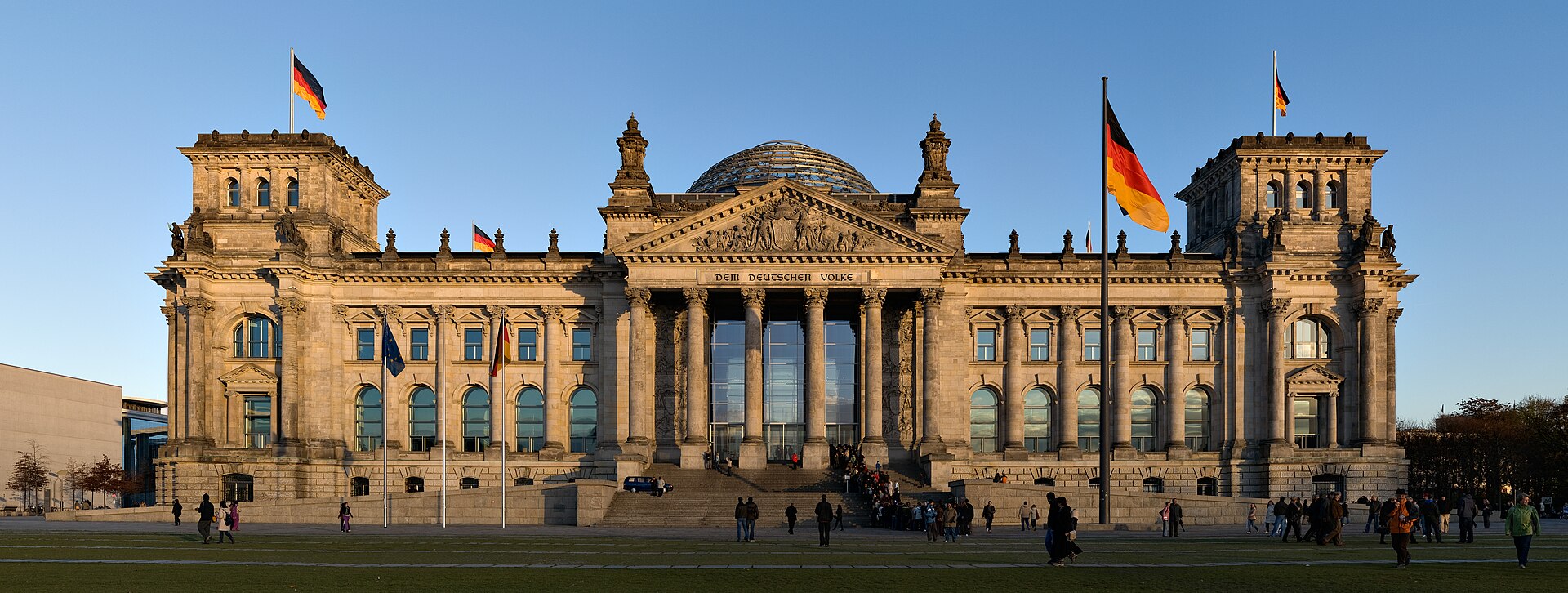
Europe wakes on Wednesday impatient and divided, anxious that a war it is paying for is being negotiated in a room it does not occupy. Beneath the diplomacy sit weary publics, from French classrooms to a Spanish cathedral, who feel that official offers do not match their grievances.
Leaders speak in conditions and procedures, with Berlin attaching terms to money and Brussels reaching out to soothe, while Kyiv uses careful humanitarian language about talks it calls productive. Citizens speak in blockades, funerals and, in Serbia, at the ballot box.
The through-line is who pays and who decides. Merz’s budget demand, the missing European seat in Abu Dhabi and French pupils rejecting a government offer are all versions of one question: whether those who bear the cost have any say in the terms.
Key Facts
Germany. Merz wrote to Costa on 9 November refusing the 2028–34 EU budget without fresh Ukraine support.
Ukraine. Russia and Ukraine held four hours of US-mediated talks in Abu Dhabi on 10 November.
France. Government concessions “fell flat” with pupils on 10 November.
Spain. Spain votes in a snap election on 29 November.
Serbia. The Student List won the 25 October election and Vučić conceded.
Germany: Command Abroad, Impatience At Home
The ARD-DeutschlandTrend of Infratest dimap, published on 5 November, put the AfD at 27 percent and the CDU/CSU at 20 percent, with 87 percent of Germans dissatisfied with the government. Merz’s ultimatum, which his letter framed as “a matter of our indivisible European security”, Euronews reported on 9 November, reads as an attempt to command abroad what he cannot command at home.
On 9 November, Kyiv faces a €70bn (US$78bn) shortfall in its 2027 budget against about €45bn (US$50bn) promised through an instrument not yet defined, which explains why Merz wants interest on the €90bn (US$100bn) support loan folded into a multiannual deal from 2028. The same report called new joint debt the frontrunner, so a US reader should expect Europe’s largest economy to make its consent conditional on a shared bill.
Brussels: Four Holdouts And A Reassuring Call
On 10 November, four countries were seen defying Merz, with Fico, Babiš, Magyar and Radev named in a photo caption, and a day earlier Czechia, Hungary and Slovakia are expected to opt out of joint debt again. Poland’s Ignacy Niemczycki said linking the two issues could backfire, the same outlet reported, while Fico called the link “very dangerous”. Hungary under Magyar is the awkward case, since the new government lifted its veto on European Peace Facility reimbursements in June, releasing €6.6bn (US$7.3bn), yet it still sits among the holdouts on 10 November that Costa is reaching out to Merz to reassure him, with the Commission due to present options before a special summit at the end of the month.
Abu Dhabi: Hope Without A European Seat
Zelensky called the first session “constructive and quite substantive” and Rubio called it “very productive”, PBS/NPR reported on 10 November, with the Kyiv Independent listing Davyd Arakhamia, Rustem Umerov and Kyrylo Budanov on Kyiv’s team. Zelensky said the focus was humanitarian, covering prisoner exchanges, captive civilians and abducted children, a modest agenda that suggests both sides want something they can show.
Vladimir Medinsky heads the Russian delegation, a ceasefire is “nowhere near”, and Il Sole 24 Ore reported at least 24 people died after strikes on a humanitarian centre in Komyshuvakha. EUobserver wrote on 9 November that the EU’s absence “has been strongly felt”, and Meloni’s letter led Costa to add a Ukraine debate to the Dublin agenda.
France: A Generation That Rejects The Offer
On 10 November, government concessions “fell flat” with pupils, and that firework mortars were set off inside schools. The mood is anger at a gesture judged too small, from a generation with little reason to wait for the budget season.
Prime Minister Sébastien Lecornu launched “five chantiers”, between September and early November, yet the Union syndicale lycéenne counted 500 blocked lycées on 3 November. A US reader should see a government offering process to a public that wants results, with even the count disputed, since Public Sénat put disturbed establishments at 564.
Spain And Serbia: Grief, And A Fragile Victory
King Felipe VI and Queen Letizia are due to attend a funeral Mass at Toledo Cathedral on Thursday 12 November for the 69 victims of the 28 October crash near Urda. The grief is real, but it sits inside a campaign launched on housing after Congress rejected two decrees on 2 October, La Moncloa said, with Sánchez trailing in the polls, Anadolu reported in October, yet insisting he will win.
Final results were declared in Serbia on 5 November, so parliament must convene within 30 days, which points to early December. The student movement that won on the street now carries the burden of government, and in October it was suggested that a presidential election could follow in December.
What This Means From Latin America
A Europe preoccupied with Ukraine bills and joint debt moves slowly on everything else, including the EU–Mercosur deal, which Parliament referred to the Court of Justice on 21 January by 334 votes to 324, EU Perspectives reported. The budget fight over farm and cohesion money and the anger on French streets feed the same politics, so exporters of beef, soy and sugar should not expect quick ratification.
Gas is the other link, since the TTF front-month contract crossed €100 per megawatt hour (US$111) on 28 October, energynewsbeat reported, and Energy Commissioner Dan Jørgensen warned of a difficult winter, which raises the value of any LNG cargo the Americas can sell. Observers have named Spain’s Pablo Hernández de Cos as a front-runner for the ECB presidency, which in our reading would suit Madrid’s Latin American ties.
What We Are Watching
- Wednesday 11 November: second day of US-mediated talks in Abu Dhabi — the resumption on 11 November. It will show whether humanitarian steps can widen into de-escalation.
- Thursday 12 November, 2:00 a.m. ET: UK GDP for the third quarter — Growth is forecast at 0.7 percent, against 0.5 percent previously. It shows whether Britain is outpacing its continental peers.
- Thursday 12 and Friday 13 November: EPC summit and informal leaders’ summit in Dublin — Merz wants his Ukraine-budget demand made a priority. It is the first test of whether the Irish presidency can bridge the frugal and Ukraine-first camps.
- Friday 13 November, 3:30 a.m. ET: Polish GDP for the third quarter — Growth is forecast at 0.9 percent, against 1 percent previously. Warsaw argues against linking the budget to Ukraine, so its economic weight shapes its leverage.
- Friday 13 November, 11:00 a.m. ET: Russian inflation for October — The annual rate is forecast at 7.1 percent, against 6.3 percent previously. It shows how the war economy bears the strain while talks continue.
- Tuesday 17 November, 8:00 a.m. ET: Hungarian interest rate decision — The rate is forecast at 5.5 percent, unchanged from the previous reading. It shows how Magyar’s government manages money while saying no to joint debt.
Frequently Asked Questions
What is Merz demanding on the EU budget?
Merz wrote to Costa saying he will not agree the next seven-year EU budget without fresh Ukraine support on 9 November. He wants a multiannual solution from 2028 that includes interest on the €90bn (US$100bn) support loan.
How did the first day of the Abu Dhabi talks go?
Zelensky called the session “constructive and quite substantive” and Rubio called it “very productive”, but a ceasefire is “nowhere near”, and the talks resumed on 11 November. Russia and Ukraine had held four hours of US-mediated talks in Abu Dhabi on 10 November.
Why are French pupils protesting?
On 10 November, government concessions “fell flat” with pupils. The Union syndicale lycéenne counted 500 blocked lycées on 3 November.
Why is Spain holding an election?
Sánchez called a snap election for 29 November after Congress rejected two housing decrees on 2 October, La Moncloa said. The campaign opens as Spain prepares to mourn the 69 victims of the 28 October crash near Urda at a funeral Mass in Toledo on 12 November.
This article was produced by The Rio Times’ automated AI newsroom. Editorial responsibility: Matthias Camenzind, Publisher and Editor-in-Chief. The Rio Times also runs Ask Rio Times, which answers from 100,000+ of our own articles, the daily Latin America Power Map, and prediction-market odds on elections and markets.. How we use AI · Report an error
LatAm Markets: Live Signals → — real-time movers, turnover leaders and FX across Latin America.