UKRAINE · ANALYSIS
Key Facts
- What is happening The United States is mediating three-way talks with Ukraine and Russia in Abu Dhabi on 10 and 11 November 2026, and as of 9 November there are no outcomes.
- Why it matters European governments fear they will only be briefed on decisions that bind them, while the talks run alongside volatile energy, grain and fertiliser markets.
- The numbers The FAO Food Price Index averaged 133.9 in October, down 1.2% on September, as reported by Wikifarmer.
- Who is who The US is mediating.
- What to watch EU leaders in Dublin on 13 November and the next FAO food price release on 4 December.
- What it means for you Oil prices appear to be driven more by Iran and the Strait of Hormuz than by Abu Dhabi, so treat talks headlines as a weaker price signal than the Gulf.
The Ukraine-Russia talks in Abu Dhabi on 10 and 11 November put Ukraine, Russia and a US mediator at one table, with Europe working alongside rather than inside it. For readers in the United States, the round tests Washington’s mediating role, the future of its Russian oil sanctions and the fuel and food prices that follow.
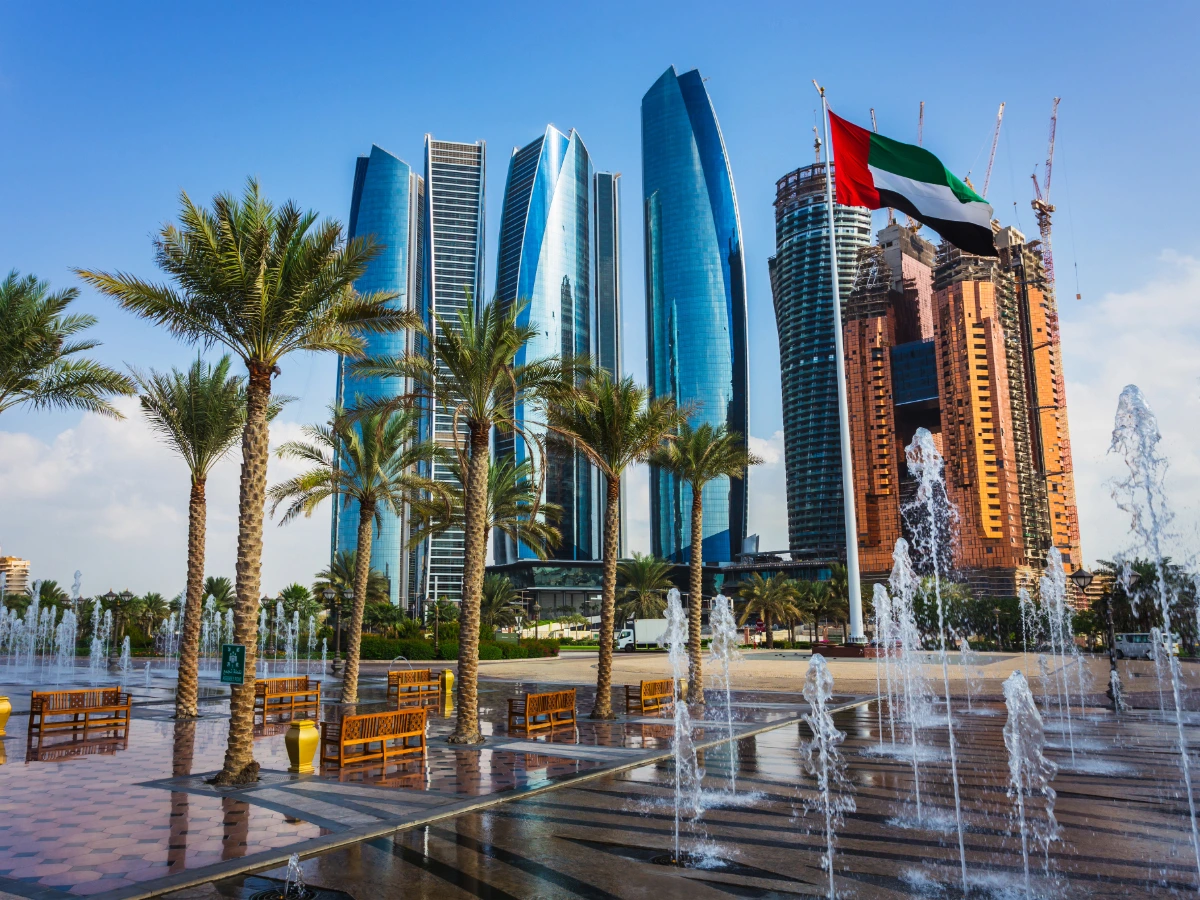
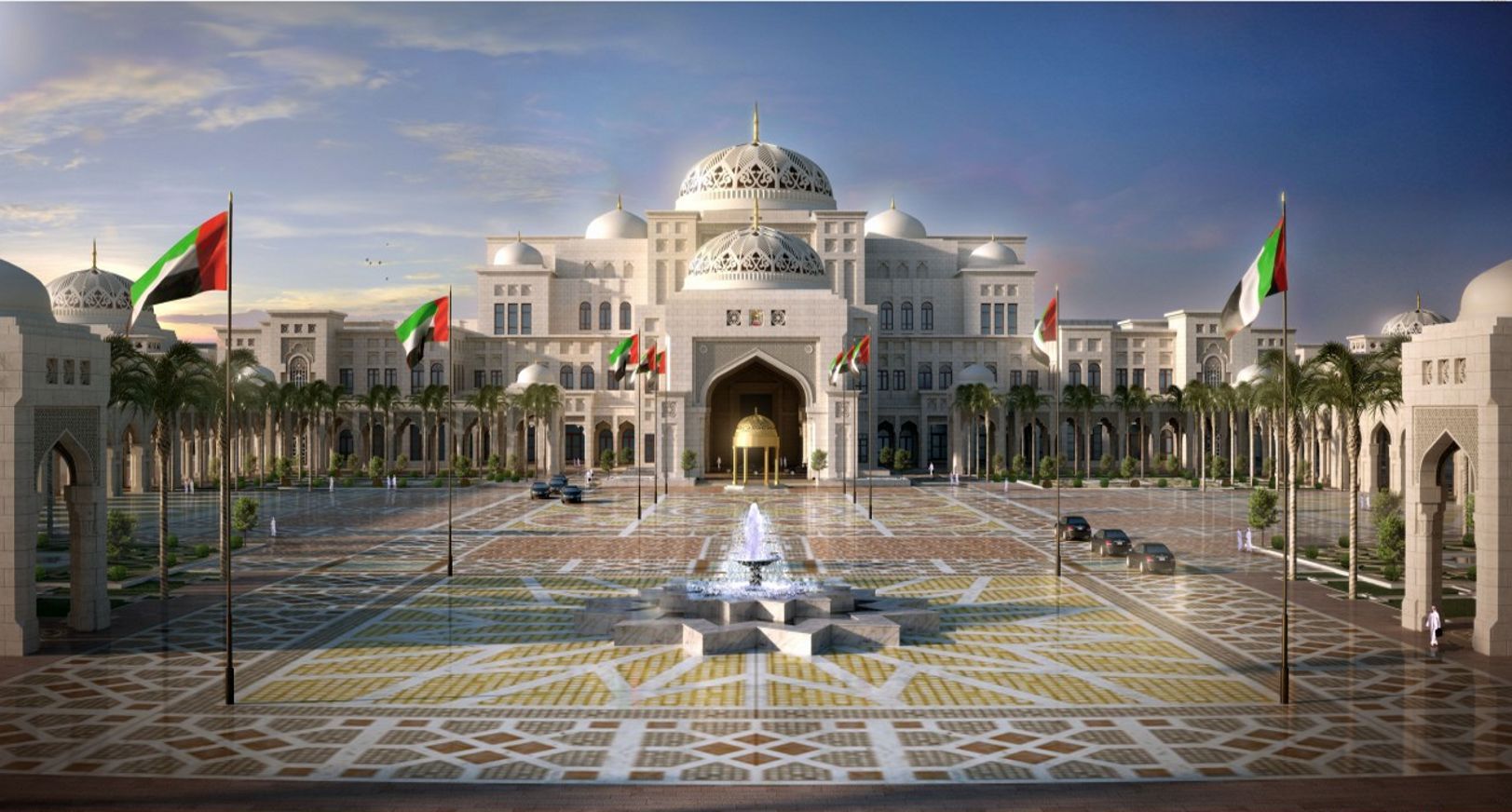
Ukraine, in Eastern Europe, is under Russian missile attack, and Abu Dhabi in the United Arab Emirates has become a venue for talks on ending the war. This analysis explains the format, the parties, the positions, what remains unknown and how prices could carry the effect to Latin America and Africa, building on the Europe Intelligence Brief.
What Is Happening and How We Got Here
The talks are mediated by the United States and involve three parties: Ukraine, the US and Russia. They run on Tuesday 10 and Wednesday 11 November 2026 in Abu Dhabi.
Steve Witkoff, the US special envoy, said in a social media post that the talks would cover “post-war security agreements, de-escalation, humanitarian measures, and ending the war.” A technical-level round signals preparation of next steps rather than a final settlement.
Abu Dhabi has hosted this format before. The first trilateral US-Russia-Ukraine talks were held in Abu Dhabi on 23-24 January 2026.
The fighting continues around the diplomacy. A 2 November Russian strike on a former school building in Komyshuvakha, Zaporizhzhia Oblast, where residents had gathered for aid, had killed 53 people by 6 November, according to Ukrainian authorities.
Who Is at the Table and What Is on Offer
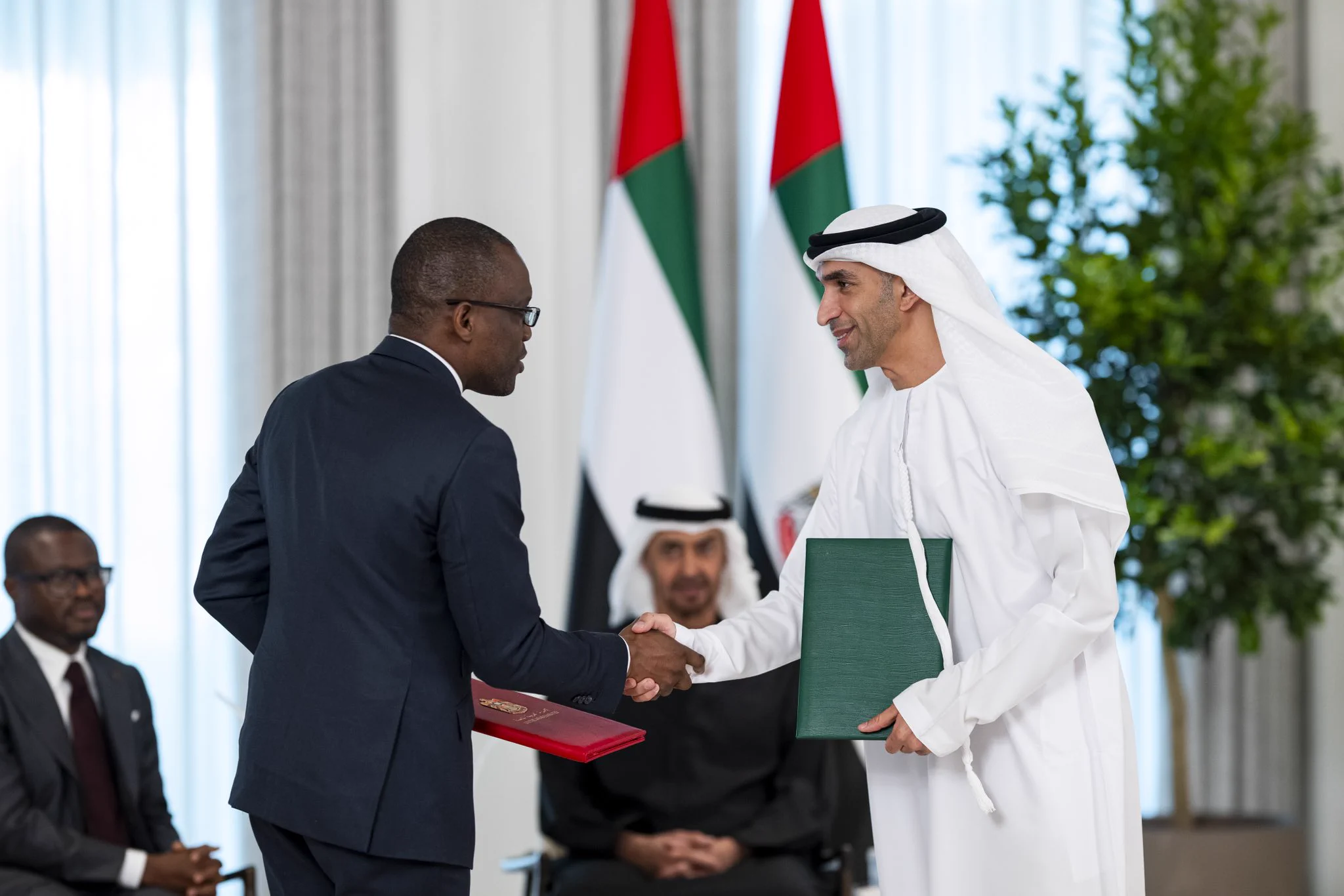
Putin has shown no apparent concession beyond agreeing to resume talks, in the reading of press coverage that we could not check against a Kremlin readout.
Kyrylo Budanov, head of the Presidential Office, is a member of the delegation, according to the Kyiv Independent.
The United Arab Emirates is the host, and we found no readout from its foreign ministry for this round.
What Could Be Agreed
Press summaries mention prisoner exchanges, the return of Ukrainian children, Black Sea maritime safety and a proposed mutual pause on strikes against energy infrastructure, but we could not confirm those items in full texts.
Territory and security guarantees are where reporting says the two sides remain far apart. We found no confirmed November positions on either, nor on sanctions relief.
Why Europe Fears Only Getting a Briefing
On 5 November, Italian Prime Minister Giorgia Meloni’s letter to European Council President António Costa was released. She asks who speaks for the European Union and with what mandate, and says she seeks neither a role for herself nor a separate seat for Italy.
Meloni also says Italy will reject commitments made without an EU mandate, according to Brussels Signal and Euronews. In practice, that means Rome would not feel bound by terms agreed in rooms where the Union had no voice.
Meloni wants a formal decision at the December summit, according to the brief. Her grievances include talks in Miami, a meeting in Oslo and Finnish and Norwegian calls to Putin.
Europe’s place in Abu Dhabi is disputed. Merz asked on 3 November why Europeans would not be in Abu Dhabi.
Prices, Sanctions and the Scenarios
Oil and Sanctions
The pattern suggests Iran and the Strait of Hormuz move oil more than Ukraine does at present. Washington’s own lever is sanctions: it targeted Rosneft and Lukoil, two Russian oil companies, in October 2025, citing Russia’s lack of serious commitment to a peace process.
We found no reliable detail on the current sanctions status or on a reported Trump diesel deal that CNBC lists only as a headline. CNBC also notes that a series of October moves by the Trump administration raised doubts in Kyiv about US reliability.
Wheat, Food and Fertiliser
- UK feed wheat for May 2027 stood at £202.50 a tonne, down £5.50 (2.6%) on the week, according to AHDB on 2 November.
- The FAO Food Price Index averaged 133.9 in October, down 1.2% on September, the first fall after three monthly rises, as reported by Wikifarmer.
- The FAO cereal index was 116.8, down 4.5%, according to World Grain; sources conflict on the year-on-year change.
Fertiliser is the likelier pressure point. The 2026 fertiliser risk is tied to the Strait of Hormuz more than to Abu Dhabi.
We found no 2026 urea prices and no data specific to Latin America or Africa. The link from these talks to import costs there is our analysis: importers of wheat and fertiliser in both regions would feel any move in Gulf or Black Sea supply first.
Three Scenarios
In the first scenario, which is not a forecast, the round yields only practical steps such as humanitarian measures or local pauses. That would stabilise the process without settling territory, and prices would keep following the Gulf.
In the second, the sides stay apart on territory and guarantees, the sessions end without a date for more, and strikes continue. In the third, a US-led understanding emerges that European governments feel they never shaped, which could tip Meloni’s mandate dispute into open division.

What It Means for You
For US readers, the first point is that Washington is both mediator and sanctions authority. Any change to the Rosneft and Lukoil measures would come from the same administration that chairs the table, so watch Washington’s statements rather than only Moscow’s.
The second point concerns fuel. With oil prices moved mainly by Iran, the Abu Dhabi round alone is unlikely to set pump prices.
The third concerns food. The FAO index eased in October, but the next release on 4 December will show whether that holds, and fertiliser exposure to Hormuz means farm input costs can rise without any news from Ukraine.
For investors with European or Latin American exposure, the practical risk is political rather than commodity-driven. A split over who speaks for Europe could slow any sanctions or reconstruction decision that needs all member states.
What Is Not Known
As of 9 November the talks have not started, and we found no primary documents from the State Department, the Kremlin or the foreign ministries of Ukraine and the UAE. Delegation lists and the agenda come from press reports, several of which we could not open.
We do not know the November positions on territory, security guarantees or sanctions relief. We also do not know whether European officials will sit in any trilateral session or only in the parallel meetings.
The status of the reported diesel deal is unconfirmed. So are a Brent price for 9 November and any 2026 fertiliser price.
What to Watch
- 10 and 11 November: the trilateral sessions and the parallel Ukraine and European meetings in Abu Dhabi.
- 13 November: the informal European Council in Dublin.
- 4 December: the next FAO Food Price Index release, and December: the EU summit where Meloni seeks a formal decision.
Frequently Asked Questions
When are the Ukraine-Russia talks in Abu Dhabi?
They are scheduled for Tuesday 10 and Wednesday 11 November 2026. As of 9 November they had not started, so there are no outcomes.
Who is negotiating in Abu Dhabi?
The US mediates the talks.
Is Europe at the table?
Not in the trilateral sessions. European partners are expected to meet Ukraine on a parallel track.
Why is Italy’s Giorgia Meloni complaining?
In a letter released on 5 November she asked who speaks for the EU and with what mandate. She said Italy will reject commitments made without an EU mandate.
Will the talks change oil, wheat or fertiliser prices?
The available data suggest Iran and the Strait of Hormuz are the bigger drivers for oil and fertiliser right now. The effect on Latin American and African import costs is our analysis, not sourced data.
What happens next in Europe?
EU leaders meet in Dublin on 13 November. Meloni wants a formal decision at the December summit.
Sources: riotimesonline.com, en.interfax.com.ua, axios.com, kyivindependent.com, brusselssignal.eu, euronews.com. Retrieved 9 November 2026.
This article was produced by The Rio Times’ automated AI newsroom. Editorial responsibility: Matthias Camenzind, Publisher and Editor-in-Chief. The Rio Times also runs Ask Rio Times, which answers from 100,000+ of our own articles, the daily Latin America Power Map, and prediction-market odds on elections and markets.. How we use AI · Report an error