Eswatini El Nino Warning: King Flags Risk to the 2026/27 Harvest
ESWATINI · CLIMATE AND FARMING
Key Facts
- —The warning King Mswati III told the UN that severe El Nino conditions will strain national resources.
- —The forecast Eswatini’s weather service gives above a 90 percent chance of El Nino conditions this season.
- —The record question It puts the chance of a record-breaking event, the strongest since 1950, at 69 percent.
- —The last time Eswatini’s 2023/24 maize crop fell 12 percent and landed far below national needs.
- —The region Regional forecasters favour below-normal rain across Eswatini, South Africa, Zimbabwe and southern Zambia.
- —The catch A 69 percent probability is not a certainty, and no El Nino season is guaranteed dry.
King Mswati III told the UN General Assembly that severe El Nino conditions will force governments to draw on strained resources. The forecasts behind that line are already on paper.
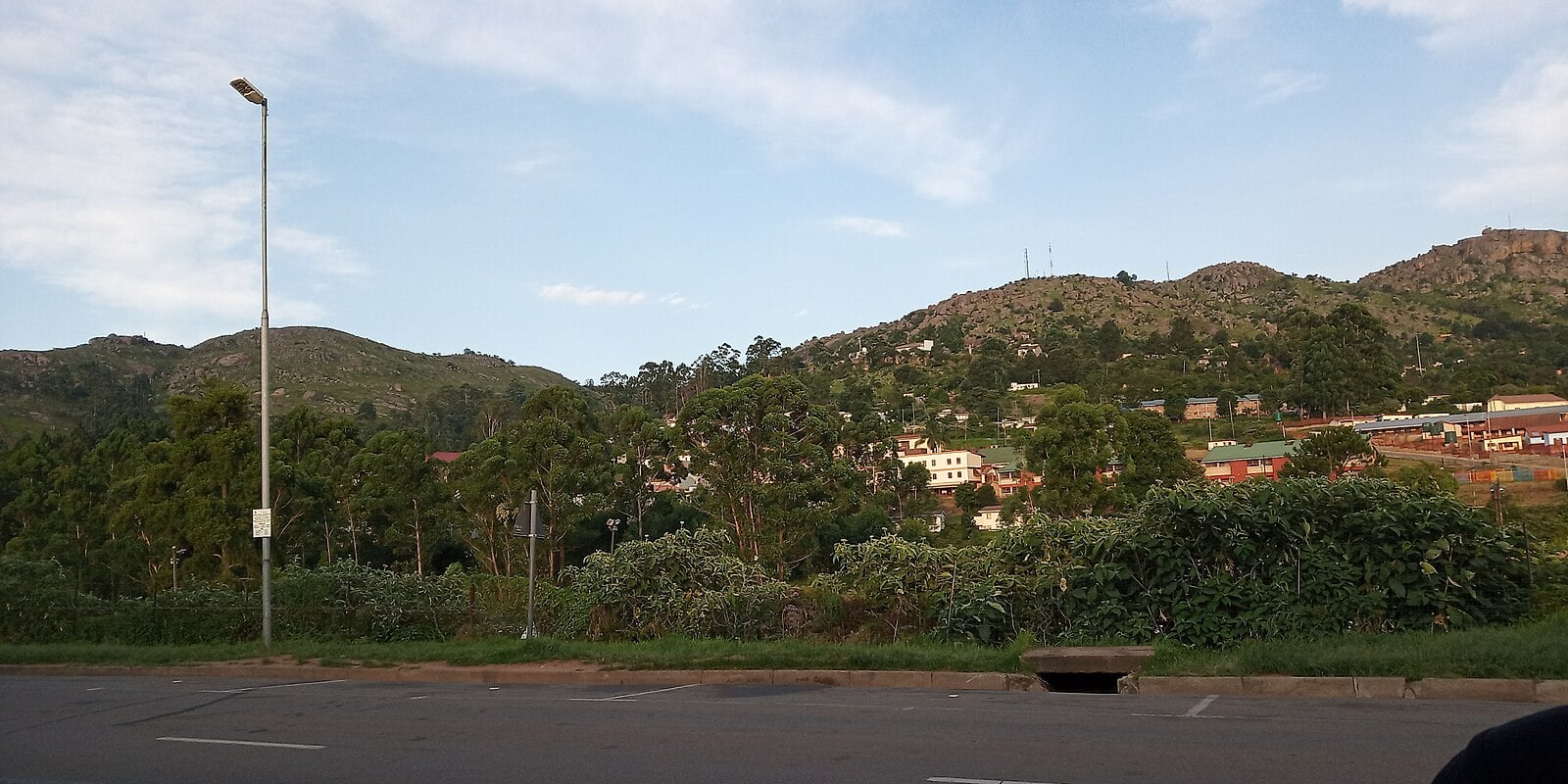
The Eswatini El Nino warning delivered in New York on Wednesday, 23 September 2026 rests on a specific national forecast. Eswatini’s weather service sees a drier, hotter season from October 2026 to March 2027.
What the Eswatini El Nino warning actually said
Addressing the 81st UN General Assembly, the king said the region faced severe El Nino-related weather conditions. Governments, he said, must draw on strained national resources to protect people and livelihoods.
He added that climate action must be matched by climate justice, and pressed for fairer health support for Africa. He also renewed Africa’s call for a permanent UN Security Council seat, citing the 2005 Ezulwini Consensus.
That seat demand is a long-standing African Union position, and it did not move this week. The new information in the speech was the weather.
What the forecasters have put on paper
The Eswatini Meteorological Service published its seasonal outlook in early September 2026. It put the chance of El Nino conditions above 90 percent for October 2026 to March 2027.
Separately, it put at 69 percent the probability that this event proves historic, stronger than any since 1950. That is a likelihood, not a promise of a record.
The service expects erratic, below-average rain, with some areas near 472 millimetres and others under 200 millimetres. It also expects daytime highs near 35 degrees Celsius in the Lowveld in January and February.
The World Meteorological Organization said on 1 September that El Nino is near certain to last into February 2027. The South African Weather Service warns the event could be exceptionally strong.
What an El Nino season does to maize
The Southern African Development Community, the region’s 16-country bloc, ran its climate outlook forum in Namibia in late August. It favours below-normal rain from October to December across Eswatini, most of South Africa, Zimbabwe and southern Zambia.
That window is exactly when farmers plant maize, the staple crop in all four countries. A dry start pushes planting late and cuts yields months before anyone sees a harvest.
A UN humanitarian alert issued in August 2026 puts drier-than-normal conditions ahead for Eswatini and Zimbabwe. It flags below-average rain in southern and south-western Zambia, and lists South Africa for monitoring.
The 2023/24 drought is the comparison
In the 2023/24 El Nino, Zimbabwe’s cereal harvest came in about 60 percent below its five-year average. Zambia’s was about 50 percent below, and South Africa’s about 10 percent below.
Eswatini’s own maize crop fell about 12 percent to roughly 74,900 tonnes, against a national requirement of 140,943 tonnes. Food monitors later projected 304,000 people, a quarter of the country, in crisis by early 2025.
Across ten countries in the bloc, the 2024 maize harvest came to about 28.1 million tonnes. That was 9 percent below the five-year average, and seven governments declared national drought disasters.
This season starts from a stronger base. South Africa has just harvested a record 17.4 million tonnes of maize, and regional cereal output ran near 10 percent above average.
Eswatini’s budget has little slack
The kingdom of about 1.2 million people leans on customs revenue shared through the Southern African Customs Union. In the 2026/27 budget, those transfers were set at 11.4 billion lilangeni (about US$697 million).
That is about 36 percent of total revenue and grants of 31.9 billion lilangeni (about US$1.95 billion). Conversions use the 24 September 2026 rate of US$1 to 16.36 lilangeni.
The lilangeni is pegged one-to-one to the South African rand, so local prices track South African ones closely. Customs income swings from year to year, which leaves thin room for emergency drought spending.
Why this matters for business in and with Africa
Maize prices in the region move together, because South Africa supplies its neighbours. A weak South African crop raises the import bill for Eswatini, Zimbabwe and Zambia at the same time.
For companies, the practical effects show up in food costs, water restrictions and the health of small suppliers. Sugar, one of the kingdom’s biggest export earners, depends on irrigation water that a dry year squeezes.
For any business with crops or rural customers, the Eswatini El Nino warning is a calendar item. The planting window runs from October to December, so the first hard signals arrive within weeks.
Rainfall totals in November are the number to watch, well before any official damage estimate appears.
What is not known
No official figure exists for what Eswatini has set aside for drought response this season. The government has not said whether it will seek international assistance.
Forecasts also do not say where rain will fall inside the country, and El Nino years vary. South Africa’s weather service notes that 1997/98, a very strong event, brought near-normal rain in places.
The next firm test comes with the October rains, and the region enters this season better stocked than the last one.
Frequently Asked Questions
How likely is a record El Nino this season?
Eswatini’s weather service puts El Nino conditions above 90 percent for October 2026 to March 2027. It separately puts the chance of a record-strength event, the worst since 1950, at 69 percent.
What happened in the last El Nino drought?
In 2023/24, Eswatini’s maize crop fell about 12 percent to roughly 74,900 tonnes, far under national needs. Zimbabwe’s cereal harvest ran about 60 percent below average and Zambia’s about 50 percent below.
When did King Mswati III speak, and what else did he raise?
He addressed the 81st UN General Assembly on Wednesday, 23 September 2026. He also repeated Africa’s demand for a permanent Security Council seat, citing the 2005 Ezulwini Consensus.
Sources: Reporting draws on the Eswatini Meteorological Service via the Times of Eswatini, the World Meteorological Organization, the Southern African Development Community climate outlook forum, the UN humanitarian office, FEWS NET, the IPC, the South African Weather Service and Eswatini’s Ministry of Finance budget.
This article was produced by The Rio Times’ automated newsroom system. How we use AI · Report an error
Read More from The Rio Times