Eswatini Lifts Interest Rate to 7% Days After South Africa’s Hike
Key Facts
- The country. Eswatini, formerly Swaziland, is a landlocked kingdom of about 1.26 million people between South Africa and Mozambique. Its economy is about US$5.2 billion, smaller than many US cities.
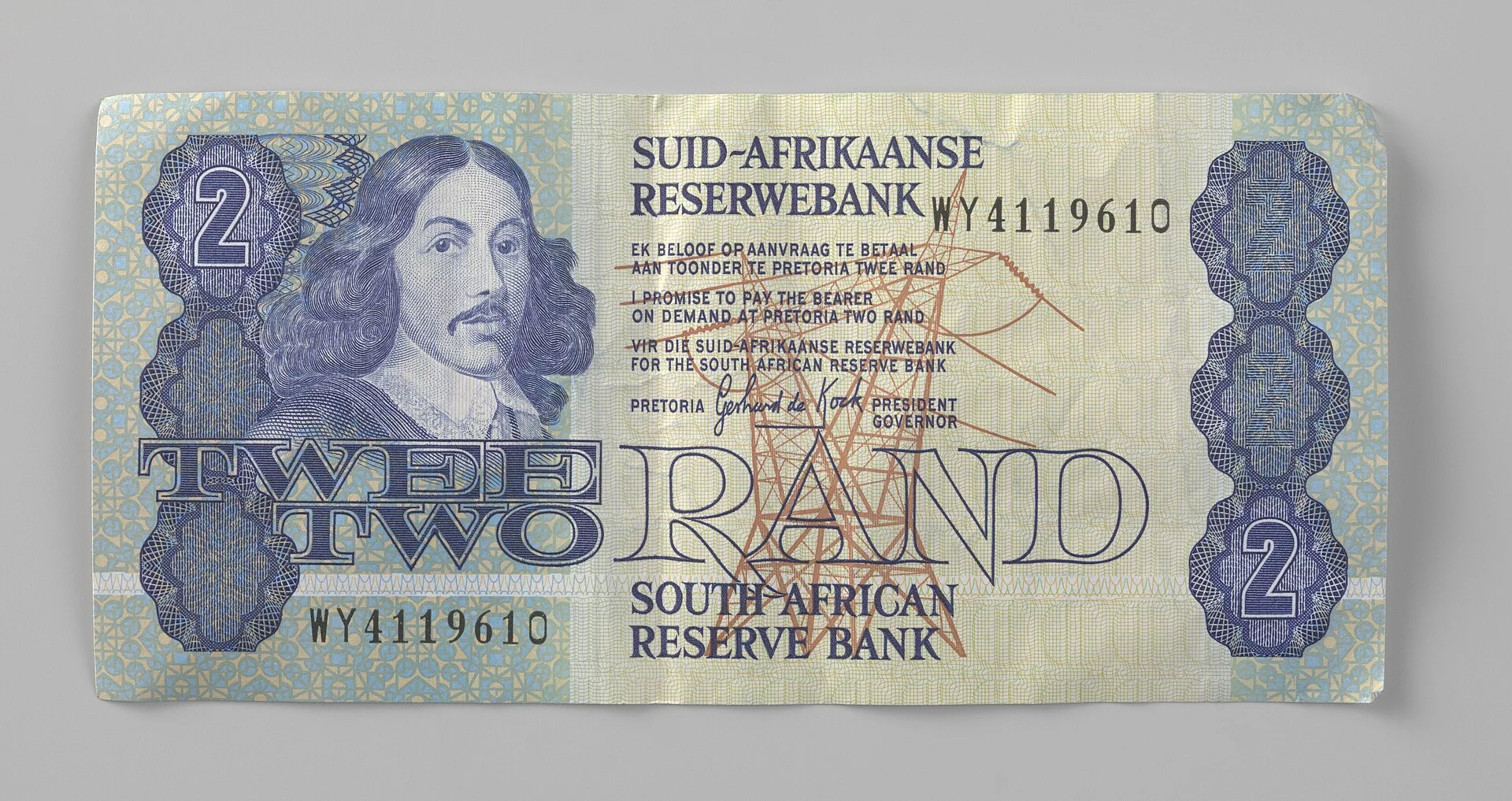
- Why it matters. Its currency, the lilangeni, is pegged one-to-one to the South African rand. South Africa supplies most of its imports, so Eswatini rates follow South Africa’s.
- Why now. South Africa’s central bank raised its repo rate to 7.25% on 23 September 2026, citing fuel-driven inflation. Eswatini had to decide whether to follow.
- What happened. On 25 September 2026 the Central Bank of Eswatini (CBE) raised its discount rate by 25 basis points, from 6.75% to 7.0%. It is the first increase in more than a year.
- The numbers. Commercial banks are expected to lift prime lending to 10.50%. On a E1 million loan, 0.25 points adds about E2,500 a year (about US$150).
- What it means for you. Mortgages, car loans and business credit in emalangeni get dearer within weeks. The exchange rate against the rand does not change.
- Still open. The CBE has not said whether more hikes will follow or given the date of its next meeting.
Eswatini has raised borrowing costs for the first time in more than a year, two days after South Africa did the same. The small kingdom’s currency peg left it little choice.
The Eswatini interest rate rose on Friday 25 September 2026, when the Central Bank of Eswatini lifted its discount rate by 25 basis points to 7.0%. The move came two days after South Africa’s central bank raised its own key rate.
Eswatini, known as Swaziland until 2018, is a small monarchy of about 1.26 million people wedged between South Africa and Mozambique. Its central bank, the CBE, sets the rate at which it lends to commercial banks, which then price mortgages and business loans.
What the Central Bank Decided
The CBE had held its discount rate at 6.75% before the September meeting. It now stands at 7.0%, the first increase in more than a year, according to the bank’s statement and Trading Economics.
Governor Phil Mnisi said the decision reflected global, regional and domestic developments. He said it was consistent with the bank’s mandate to safeguard price and financial stability.
The bank said commercial banks are expected to raise their prime lending rate to 10.50%, from 10.25%. That rate applies to loans to individuals and businesses until the next policy meeting.
Why the Bank Moved Now
The CBE pointed to heightened inflation risk from elevated energy prices linked to tensions in the Middle East. Eswatini imports all of its fuel, mostly through South Africa, so oil price swings reach pumps quickly.
Fuel costs then feed into transport fares and food prices. For a small, open economy with a fixed exchange rate, the interest rate is one of the few tools left to slow that pass-through.
South Africa Moved First
The South African Reserve Bank (SARB), South Africa’s central bank, raised its repo rate by 25 basis points to 7.25% on Wednesday 23 September. The broadcasters eNCA and Eyewitness News reported the hike, with Eyewitness News linking it to fuel price shocks.
Eswatini followed within two days. Eswatini’s discount rate now sits 0.25 points below South Africa’s repo rate, the same gap as before both moves.
The Rand Peg Sets the Limits
The lilangeni (plural emalangeni) is pegged one-to-one to the rand under the Common Monetary Area, a currency union with South Africa, Lesotho and Namibia. The rand is also widely accepted inside Eswatini.
If the Eswatini interest rate fell too far below South Africa’s, money would flow across the border in search of better returns. That would drain the reserves that back the peg, so Mbabane, the capital, usually moves in step with Pretoria.
For a foreign reader, the practical result is simple. The lilangeni trades at E16.67 per US dollar, the same as the rand (open.er-api.com, 2 October 2026).
What the Hike Changes on the Ground
For borrowers on variable rates, repayments usually adjust within one or two billing cycles. On a E1 million mortgage (about US$60,000), a quarter-point rise adds roughly E2,500 a year (about US$150) in interest.
Savers may see slightly better deposit rates, although banks tend to pass on increases unevenly. Businesses that borrow to fund stock or equipment face the same higher prime rate of 10.50%.
Foreign residents and investors should note one thing that does not change. Because of the peg, the hike does not alter what emalangeni are worth against the rand.
The Wider Economy
Eswatini’s economy is worth about US$5.2 billion, according to World Bank data for 2025, or roughly US$4,100 per person. Sugar, soft-drink concentrate and textiles are among its main exports, mostly sold into South Africa.
The International Monetary Fund (IMF) said after its annual review mission in August 2026 that growth would slow this year after a strong 2025. Higher borrowing costs add a further brake on households and firms.
What Is Not Known
The CBE has not said whether more hikes are coming, and it has not announced the date of its next meeting. Its next move will depend heavily on what the SARB does in South Africa.
How long energy prices stay high is outside the control of either central bank. Bank of America has said it expects two South African rate hikes in 2026, Bloomberg reported on 21 September.
Frequently Asked Questions
What is the new Eswatini interest rate?
The Central Bank of Eswatini set its discount rate at 7.0% on 25 September 2026, up from 6.75%. Commercial banks are expected to lift their prime lending rate to 10.50%.
Why did Eswatini raise rates now?
The central bank cited higher inflation risk from energy prices linked to Middle East tensions. South Africa had raised its own rate to 7.25% two days earlier.
Does Eswatini set its own monetary policy?
Only within narrow limits. The lilangeni is pegged one-to-one to the South African rand, so Eswatini usually keeps its rates close to South Africa’s.
What does the hike mean for foreigners in Eswatini?
Variable-rate loans in emalangeni cost more within weeks. Because of the peg, the hike does not change the exchange rate against the rand.
Sources
Central Bank of Eswatini: latest updates and monetary policy statements · Trading Economics: Eswatini Central Bank Hikes Rates for First Time in a Year (29 September 2026) · CNBC Africa: Eswatini central bank hikes rates for first time in over a year · Trading Economics: South Africa interest rate · World Bank: Eswatini country data · International Monetary Fund: Eswatini
This article was produced by The Rio Times’ automated newsroom system. How we use AI · Report an error
LatAm Markets: Live Signals → — real-time movers, turnover leaders and FX across Latin America.
Read More from The Rio Times