El Salvador Expands Global Diplomatic Footprint
On May 2, 2024, El Salvador made history by inaugurating its first embassy in Riyadh, Saudi Arabia.
This pivotal event marked El Salvador as the first Central American country to establish a diplomatic presence in the kingdom.
The ceremony was attended by notable figures including El Salvador’s Foreign Minister Alexandra Hill and the Saudi Ambassador to Mexico.
This embassy embodies President Nayib Bukele’s vision to enhance El Salvador’s international influence, particularly in trade, investment, and foreign policy.
By establishing closer cooperation and supporting Salvadoran expatriates, the embassy aims to fortify bilateral relations between El Salvador and Saudi Arabia.
Moreover, El Salvador is broadening its diplomatic footprint beyond the Middle East.
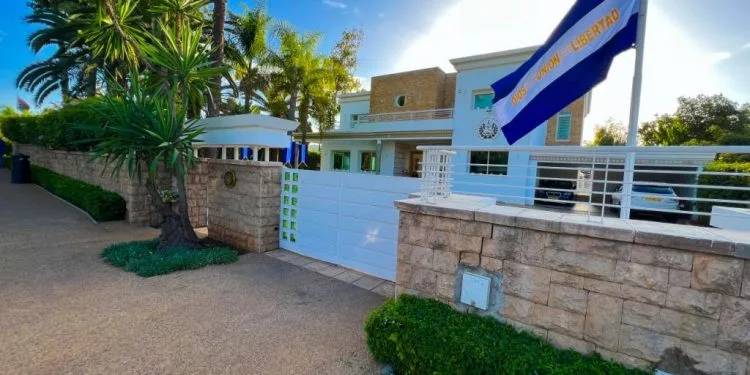
The nation is actively pursuing stronger ties with African countries, intending to open multiple embassies across the continent.
This expansion aligns with the government’s strategic goal of bolstering its diplomatic relations, especially towards Asia.
The proactive diplomatic initiatives reflect El Salvador’s ambition to assert a more pronounced presence on the global stage.
El Salvador is engaging with international partners across crucial sectors like education, agriculture, health, tourism, and infrastructure.
Through these collaborations, the country aims to raise its global profile and contribute to broader international development efforts.
The establishment of an embassy in Riyadh, along with El Salvador’s plans to expand into Africa, highlights its strategic approach to diplomacy.
These actions aim to spur economic growth and cultural exchange, using international ties to boost national development.
These moves elevate the country’s global position and prepare for future collaborations that benefit both domestic and international goals.
More: Latin America news in English, every day from The Rio Times.
This article was produced by The Rio Times’ automated newsroom system. How we use AI · Report an error · Editorial responsibility: Matthias Camenzind, Editor-in-Chief