Redefining Saudi Arabia: Broad Transformations and Growing Clout
As Saudi Arabia nears the midway point of its Vision 2030 agenda, the country is experiencing a sweeping change.
This shift is not just economic; it also extends to social and political domains. These changes resemble past global economic shifts, like the U.K.’s in the 1980s.
The country aims to reduce its oil reliance under Crown Prince Mohammed bin Salman (MBS).
Noteworthy projects like Neom, a future carbon-neutral city, highlight the country’s forward-thinking plans.
Boosted by a rise in national pride, the public largely backs these economic changes and new foreign policies.
Saudi Arabia’s foreign policy is also shifting under MBS.
Key developments include improved relations with Iran through China and warmer ties with Israel facilitated by the U.S.
Joining groups like BRICS showcases Saudi Arabia’s growing global role. These diplomatic moves support the nation’s economic goals.
On the home front, the focus is on financial stability and growth.
Recent data sets a revenue target of $312 billion and spending near $333 billion, with a small deficit.
New reforms aim to fight corruption, streamline administrative processes, and diversify the economy.
Job growth and public-sector vitality are rising due to Vision 2030. The country also emphasizes sustainable development and climate change commitments.
Investments
Investment in areas like sports and education is increasing, aligning with the plan’s broader goals.
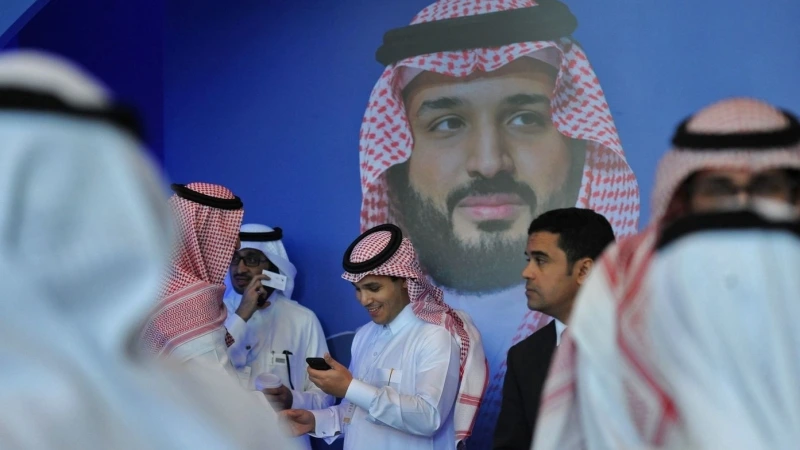
MBS, acting more like a CEO than a traditional ruler, aims to make Saudi Arabia a global trade hub.
Cordial relations with major nations like the U.S., China, and India are a priority.
These relationships are especially vital for defense, given the U.S.’ significant role in Saudi military infrastructure.
Yet, challenges remain. Foreign direct investment is still below target, and oil continues to dominate the economy.
Financial analysts stress the need for ongoing adaptability to global uncertainties.
Experts keenly watch the far-reaching effects of these changes. Saudi Arabia’s efforts to shake off its commodity dependency could serve as a model for other countries.
Whether or not Vision 2030 is fully realized, its early impact is already significant, providing vital lessons for worldwide economic and social reform.
This article was produced by The Rio Times’ automated newsroom system. How we use AI · Report an error · Editorial responsibility: Matthias Camenzind, Editor-in-Chief