Ecuador China Energy Talks Focus on Solar Power and Transmission Lines
ECUADOR · ENERGY
Key Facts
- —What happened Noboa described talks with China on power lines and solar farms in a radio interview on 18 September 2026.
- —How big He said the solar projects could reach 3,000 megawatts, a goal rather than a signed plan.
- —The deadline Noboa said that capacity would give Ecuador energy sustainability until 2035.
- —The catch No contract, project list, company names or financing terms for these projects have been published.
- —The background Drought forced daily power cuts of up to 14 hours in late 2024.
- —Who it affects Households, businesses and investors who depend on a steady power supply in Ecuador.
Noboa says Ecuador’s main power problem is moving electricity, not producing it, and wants Chinese help with both.
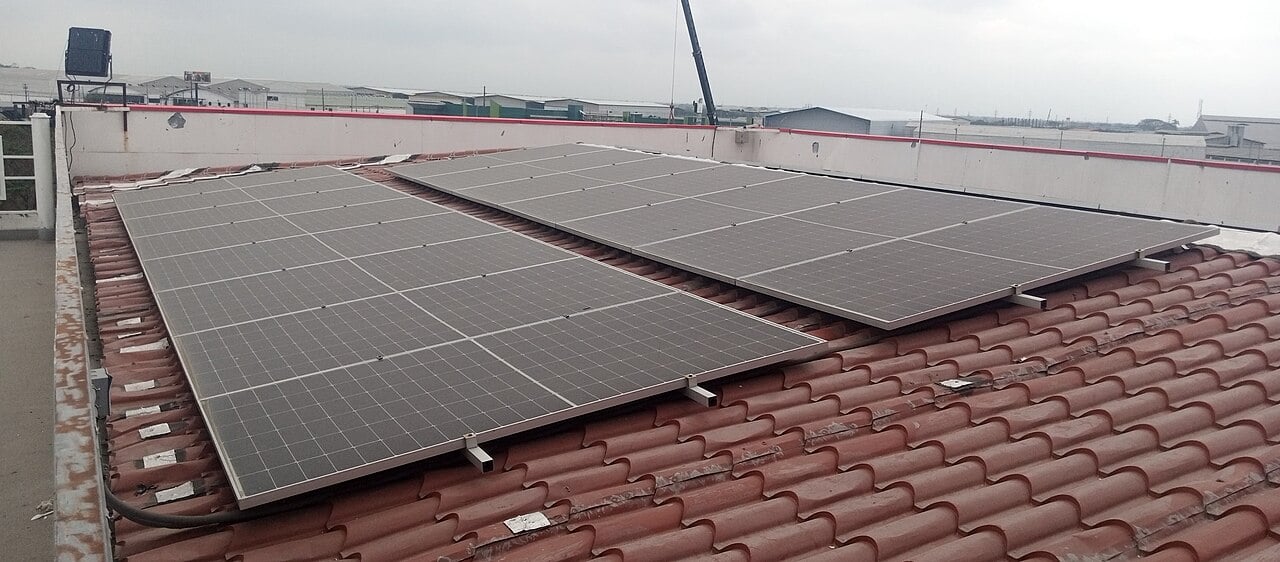
On Friday, 18 September 2026, President Daniel Noboa said Ecuador is in talks with China on transmission lines and large solar projects. The Ecuador China energy talks have produced no signed solar or grid contract so far.
What Noboa said on the radio
Noboa spoke to Radio Fiesta, a station in El Oro province in southern Ecuador. He said his government is discussing new transmission lines with China to reduce electricity that is lost or wasted.
He also described solar projects on a large scale. “We also talked about solar energy projects that reach 3,000 megas,” he said, adding that this would bring sustainability until 2035.
He framed Ecuador’s weak point clearly. The country has a “problema de transmisión” (transmission problem) “más que de generación” (more than one of generation), he said.
Where the talks began
Noboa said the conversations took place during his state visit to China in August 2026. He met President Xi Jinping in Beijing on 18 August.
According to Ecuador’s presidency, the two leaders agreed to start cooperation on photovoltaic, or solar panel, energy. The statement gave no megawatt figure, company or budget for that cooperation.
The two governments signed seven documents that day, including a memorandum on green industry. Others covered the digital economy, trade and media cooperation.
China also pledged US$42.7 million in grants. US$28 million covers police vehicles, medical equipment and production in Ecuador’s northern region.
Another US$14.7 million goes to education, production and disaster risk prevention. None of these grants was described as funding for solar farms or power lines.
Why power is a sensitive issue in Ecuador
Ecuador gets most of its electricity from rivers and dams. In October 2024, officials said about 72% of the power mix depended on water.
A severe drought that year emptied reservoirs such as Mazar, part of the Paute hydroelectric system. On 25 October 2024, the government extended scheduled daily blackouts from eight to 14 hours.
Colombia also stopped selling electricity to Ecuador during that crisis. The scheduled cuts ended on 20 December 2024, after about three months.
The government credited repaired plants, new floating generators, imports from Colombia and better rainfall. Experts warned at the time that the system still could not fully meet demand.
Ecuador’s Central Bank later put the cost of the 2024 blackouts at about US$1.9 billion. That equalled roughly 1.4% of gross domestic product (GDP), with shops and factories hit hardest.
Coca Codo Sinclair and the China link
China already plays a large role in Ecuador’s grid. Coca Codo Sinclair, the country’s biggest hydroelectric plant at 1,500 megawatts, was built by the Chinese state company Sinohydro.
The plant sits in the Amazon provinces of Napo and Sucumbíos. It was designed to cover about 30% of the country’s power demand.
The plant was dogged by thousands of cracks and a long dispute with its builder. State power company CELEC and Sinohydro signed the final handover only on 17 April 2026, after arbitration.
The plant runs on river flow and has no large reservoir. On 14 September 2026, heavy sediment in the Coca River forced output cuts.
That morning, several parts of Quito lost power without warning. By the afternoon, Coca Codo Sinclair was covering only 28% of national demand, while the Paute system supplied 32%.
The generation gap is still open
Noboa now stresses transmission, but supply is also tight. In March 2026, Energy Minister Inés Manzano acknowledged a generation deficit of about 1,000 megawatts.
She said emergency steps, including self-generation by industry, would avoid general rationing. Solar farms could help, because they do not depend on river levels.
Solar power also has limits, since it produces nothing at night. That is one reason why stronger power lines between regions matter so much.
What the Ecuador China energy talks mean for expats and investors
For expats and investors, electricity is one of Ecuador’s clearest business risks. The 2024 cuts hurt commerce, manufacturing and services most.
Anyone running a business, renting property or planning a factory in Ecuador should factor in the chance of future cuts. Backup power remains a sensible cost to budget for.
A credible grid and solar plan would lower that risk over time. For now, the 2035 horizon is a political target, not a schedule investors can rely on.
What is not known
There is no public list of projects, sites, Chinese partners, costs or financing terms. Nobody has explained how the 3,000 megawatts would be split by region or year.
It is also unclear whether the new power lines would be built as loans, investment or aid. China’s government has not published its own account of these specific talks.
The next useful signals would be a signed contract, a public tender or a financing announcement. Until then, the talks remain a promising but early step toward a steadier supply.
Frequently Asked Questions
Frequently Asked Questions
Has Ecuador signed an energy deal with China?
Not for these projects. The two presidents agreed in August 2026 to start solar cooperation, but no specific solar or transmission contract has been published yet.
How much solar power is being discussed?
Noboa said the projects could reach 3,000 megawatts. That is twice the installed capacity of Coca Codo Sinclair, but no sites, dates or costs have been released.
Why does Noboa focus on transmission?
He says Ecuador’s bigger problem is carrying power to users, not producing it. New power lines would cut losses along the way.
Connected Coverage
Ecuador Convicts Ex-President Lenín Moreno in Sinohydro Bribery Case
Ecuador Declares Yet Another Emergency as Killings Rise Despite Crackdown
Sources: Presidency of Ecuador communications secretariat, 18 August 2026; EFE; El Comercio; Teleamazonas; Prensa Latina; CELEC EP; Vistazo; El Diario; Infobae.
This article was produced by The Rio Times’ automated newsroom system. How we use AI · Report an error
Read More from The Rio Times