Ecopetrol Moves to Keep Colombia’s Lights On as El Niño Squeezes the Grid
Colombia · Energy
Key Facts
- —The move Ecopetrol lined up nine backup gas contracts to protect Colombia’s power plants during a five-day terminal shutdown.
- —Why it matters most of Colombia’s electricity comes from hydroelectric dams, so a dry El Niño strains supply.
- —The finances by mid-2026 the government had used about 96% of its yearly borrowing quota, per a bank economist.
- —The earthquake a magnitude 7.4 quake on 10 August 2026 added reconstruction costs to an already tight budget.
- —The relief Ecopetrol pledged about 5 billion pesos (US$1.25 million), and the government tapped a World Bank loan up to US$450 million.
In a country that runs mostly on water for power, a dry spell shifts the strain to gas and the budget. Here is what it means for your bill.
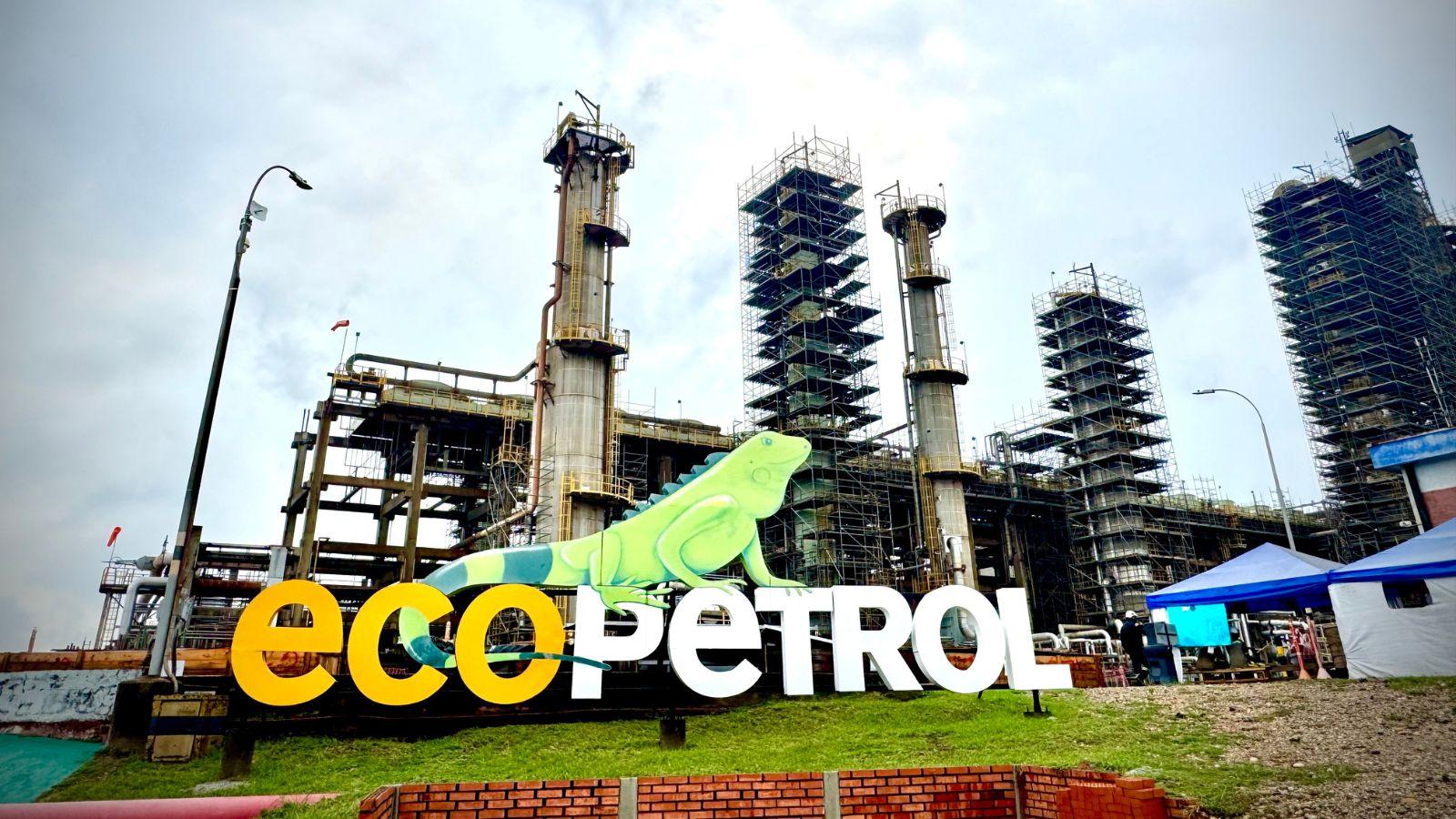
Ecopetrol, Colombia’s state oil and gas company, moved in July to keep gas flowing to the country’s power plants. The step came as a strengthening El Niño and an August earthquake pile pressure on the grid and public finances.
What Ecopetrol Actually Did
Ecopetrol is Colombia’s state-controlled oil and gas company. It supplies much of the natural gas that keeps homes cooking and power plants running.
In July 2026 it lined up nine backup gas contracts. The goal was to cover a planned five-day shutdown of a key gas import terminal.
Álvaro Casanova, who runs Ecopetrol’s gas business, said the company coordinated the move to soften any impact. The extra gas was meant to protect power plants, homes and vehicles that run on gas.
Why El Niño Threatens Colombia’s Power
El Niño is a natural warming of the Pacific Ocean. In Colombia it usually means less rain and longer dry spells.
That matters because most of Colombia’s electricity comes from hydroelectric dams. Those dams need full reservoirs, and reservoirs need rain.
When the rain thins out, water levels drop and the dams make less power. The country then leans harder on gas-fired plants to fill the gap.
That is exactly when a reliable gas supply matters most.
Live Company IntelligenceEcopetrol SA ADR — the full investor dossier
Wall Street view
Valuation & profitability
Price & risk
$8.1652-wk high
$18.38
Revenue trend · 6y
Ownership
Dividend
What a Power Squeeze Would Mean for You
A tighter grid does not automatically mean the lights go out. It means the system has less room for error when demand peaks.
For residents, that can show up as higher electricity bills. Gas-fired power costs more to run than water-fed power.
For businesses, it raises the risk of interruptions during a bad dry spell. Factories, shops and offices all plan around steady, affordable power.
The Terminal at the Heart of It
The shutdown involved a gas import terminal on Colombia’s Caribbean coast. It turns shipped, super-cooled gas back into usable fuel.
Maintenance closed the terminal from 30 July to 3 August 2026. The work was planned in advance, not an emergency.
Still, losing an import point for even a few days tightens supply. The backup contracts were designed to bridge that gap.
A Grid That Leans on Rain
Colombia’s power system is a mix of water and gas. Dams do most of the work when reservoirs are healthy.
Gas and other thermal plants act as the backup. They step in during dry months and at times of peak demand.
This design is cheap and clean in wet years. It becomes fragile when a strong El Niño keeps the rain away.
That is the trade-off Colombia lives with every dry season.
The Earthquake That Raised the Stakes
On 10 August 2026 a magnitude 7.4 earthquake struck Colombia. It set off a wide humanitarian response across the country.
The disaster arrived on top of the energy strain, not instead of it. Rebuilding costs money the government had not planned to spend.
That is why the quake matters for the energy story. Two pressures are now pulling on the same stretched budget.
A Budget Already Stretched Thin
Here the numbers get uncomfortable. By mid-2026 the government had used about 96% of its borrowing quota for the year.
That figure comes from Alejandro Rojas, an economist at Banco de Bogotá, cited in the press. It refers to the cap on how much new debt the government may issue this year, not its total debt.
A separate estimate put use of the local bond quota at about 78% by June. Either way, the room to borrow more was running low.
Who Is Paying for the Rebuild
The government moved to declare an economic emergency after the quake. That lets it unlock money faster than normal budget rules allow.
It said it would tap a World Bank loan of up to US$450 million. It also pointed to the full budget of the national disaster fund.
With borrowing room tight, outside loans and existing funds do the heavy lifting. New spending has to come from somewhere the rules already permit.
How Companies Are Helping
Private firms have started chipping in for relief. Ecopetrol said it would put about 5 billion pesos, roughly US$1.25 million, toward humanitarian aid.
That conversion uses a rate of about COP$4,000 per US dollar. Colombia’s currency, the peso, is written COP.
Beyond company gifts, Colombia reported offers of international help worth around US$1.3 billion. Those are offers, not cash in hand, so the final total may differ.
What It Means for Daily Life
For most people, the story is not about terminals or quotas. It is about whether the power stays on and what it costs.
In a normal, rainy year, Colombia’s dams deliver cheap and steady electricity. A dry El Niño slowly chips away at that comfort.
The sensible move for households is a calm one. Keep an eye on your bills, and expect prices to firm up if the dry spell deepens.
What to Watch Next
The immediate crunch was the terminal maintenance, and that window has passed. The bigger test is the dry season a strong El Niño can bring.
Watch reservoir levels and your electricity bill through the second half of the year. Both will tell you how tight the grid really is.
On the money side, watch how the government funds the rebuild. With borrowing near its limit, every peso has to be accounted for.
More: Colombia news in English, every day from The Rio Times.
Frequently Asked Questions
What did Ecopetrol do about Colombia’s gas supply?
It lined up nine backup gas contracts in July 2026 to keep power plants. Homes and vehicles supplied during a planned five-day terminal shutdown.
Why does El Niño threaten Colombia’s electricity?
Most of Colombia’s power comes from hydroelectric dams. El Niño brings dry weather, so reservoirs fall and the dams generate less.
What does the 96% figure mean?
It is the share of the government’s yearly borrowing quota already used by mid-2026, per an economist at Banco de Bogotá. It is not the total debt.
How is Colombia paying for earthquake reconstruction?
The government declared an economic emergency to unlock funds faster. It said it would tap a World Bank loan of up to US$450 million.
Sources: Ecopetrol; Reuters; Infobae; MercoPress (Banco de Bogotá / Alejandro Rojas); La República; XM; World Bank; coverage of the 10 August 2026 magnitude 7.4 Colombia earthquake.
This article was produced by The Rio Times’ automated newsroom system. How we use AI · Report an error
Read More from The Rio Times