
South Africa’s Democratic Alliance (DA), the party that runs Cape Town, published its rules for sharing power on Monday 16 November 2026. The DA calls the document a discussion document that sets out principles it proposes to other parties as the basis for working together in local government.
The timing matters because early results on 6 November suggested that 150 to 160 councils would need coalitions. Whoever signs with whom in Johannesburg, Tshwane (the Pretoria area) and Ekurhuleni (the East Rand) will help decide who sets council budgets for water, power and roads.
Key Facts
- What DA leader Geordin Hill-Lewis published coalition principles for talks with other parties on Monday 16 November.
- Scale Early results on 6 November suggested 150 to 160 councils would need coalitions.
- Next The statement names no partner party and sets no negotiating deadline.
- Prediction markets Polymarket prices Herman Mashaba at about 52% for Johannesburg mayor (16 November, 14:54 ET).
- As of 16 November 2026, 20:30 GMT
The paper lists principles and priorities, not partners or deadlines, so the real test is who signs with whom.
What the Paper Says
The DA’s statement says its proposals centre on honest, capable government: zero tolerance for corruption, appointments based on merit, a clear separation between party and state, responsible financial management and accountability for delivery. It lists reliable water and electricity, infrastructure investment, safer communities, housing and economic growth as the practical priorities.
The party also commits to redressing past injustices and expanding economic opportunities while upholding non-racialism, the principle that policy should not sort citizens by race. The statement names no partner party and sets no negotiating deadline.
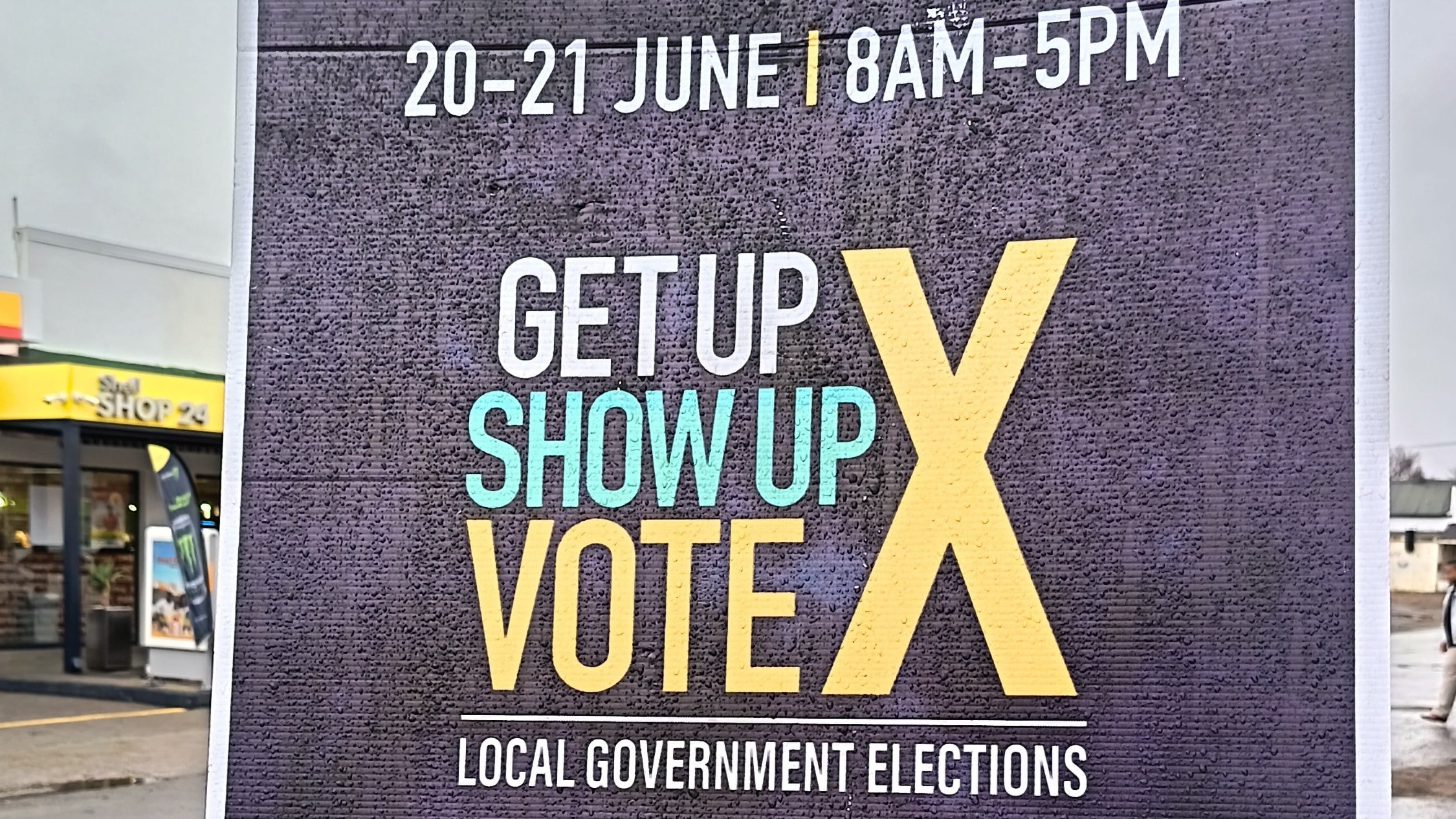
How the DA Says It Will Negotiate
Any deal will be recorded in a signed coalition agreement that the DA will publish, the statement says. The party adds that it will not negotiate or discuss ongoing talks through the media or on social media.
On 6 November, Hill-Lewis said partners must show integrity, accountability, sound financial management and merit-based appointments. Earlier coverage of the Johannesburg coalition talks is in Johannesburg Coalition Talks Continue.
The Big Picture
Early results on 6 November suggested coalition governments in roughly two-thirds of South Africa’s municipalities. The DA says the new paper is meant to set out, in public and before talks end, the governance principles and practical priorities it is proposing to other parties.
The ANC (African National Congress, the party that has led national government since 1994) is also seeking council partners. Our look at its options is in The ANC’s Coalition Choices After the Local Election.
What Prediction Markets Say
Traders on Polymarket, a crypto-based prediction platform, priced Herman Mashaba, leader of the party ActionSA, at about 52% to be Johannesburg’s next mayor as of 14:54 ET (19:54 UTC) on 16 November, with US$180,132 traded across the Johannesburg mayor event, about US$26,800 of it on Mashaba’s market. These are bets, not polls, the order book is thin, and they say nothing about which parties will sign a deal.
Why we show this: prediction markets turn real-money bets into a live probability that moves within minutes of the news, which is why investors, campaigns and newsrooms in the United States now follow them closely. We show them next to polls and official results, never instead of them.
What It Means for You
Business owners and residents in Johannesburg and Tshwane will feel the result first, through who sets council budgets for water, electricity and rates. Overseas investors in South African city projects should expect weeks of talks rather than a quick settlement.
The date of the first council meetings is the next checkpoint, and we have not confirmed it for the big metros. Hill-Lewis has promised that any deal will be published once signed.
What Is Not Known
The DA has not said which parties it is talking to, and it has not given a date for any signing. The final number of councils that need a coalition is also not yet confirmed.
Frequently Asked Questions
What did the DA publish on 16 November?
It published “Principles and Programmes for Coalition Governments”, a discussion document of governance principles and priorities. Hill-Lewis says the DA is proposing it to parties as the basis for cooperation in local government.
How many councils need a coalition?
Early results on 6 November suggested 150 to 160 councils, about two-thirds of municipalities. These were emerging results, not final figures.
Does the paper name partner parties?
No, it names no party and sets no negotiating deadline. It says only that signed agreements will be published.
Will the DA publish its coalition deals?
Yes, according to its statement, which says signed coalition agreements will be published. It also says it will not negotiate through the media.
Sources: Democratic Alliance, “DA publishes principles for stable governments that work for everyone”, 16 November 2026 (da.org.za/2026/11/da-publishes-principles-for-stable-governments-that-work-for-everyone); Hill-Lewis post-election remarks, 6 November 2026; Polymarket, “Next Mayor of Johannesburg?”, read 16 November 2026
This article was produced by The Rio Times’ automated AI newsroom. Editorial responsibility: Matthias Camenzind, Publisher and Editor-in-Chief. The Rio Times also runs Ask Rio Times, which answers from 100,000+ of our own articles, the daily Latin America Power Map, and prediction-market odds on elections and markets.. How we use AI · Report an error