
COSTA RICA · POLITICS
Key Facts
- The country Costa Rica, a Central American democracy, is led by President Laura Fernández.
- What happened Its top constitutional court told lawmakers to halt the 2027 budget debate on Monday 9 November 2026.
- The size The budget totals about 12.4 trillion colones (about US$27.7 billion).
- The deadline The budget must pass by the end of November; the court said not before 29 November.
- Power Index Costa Rica ranks 9th of 14 in The Rio Times Latin America Power Index, with 35.5 points (November 2026 edition).
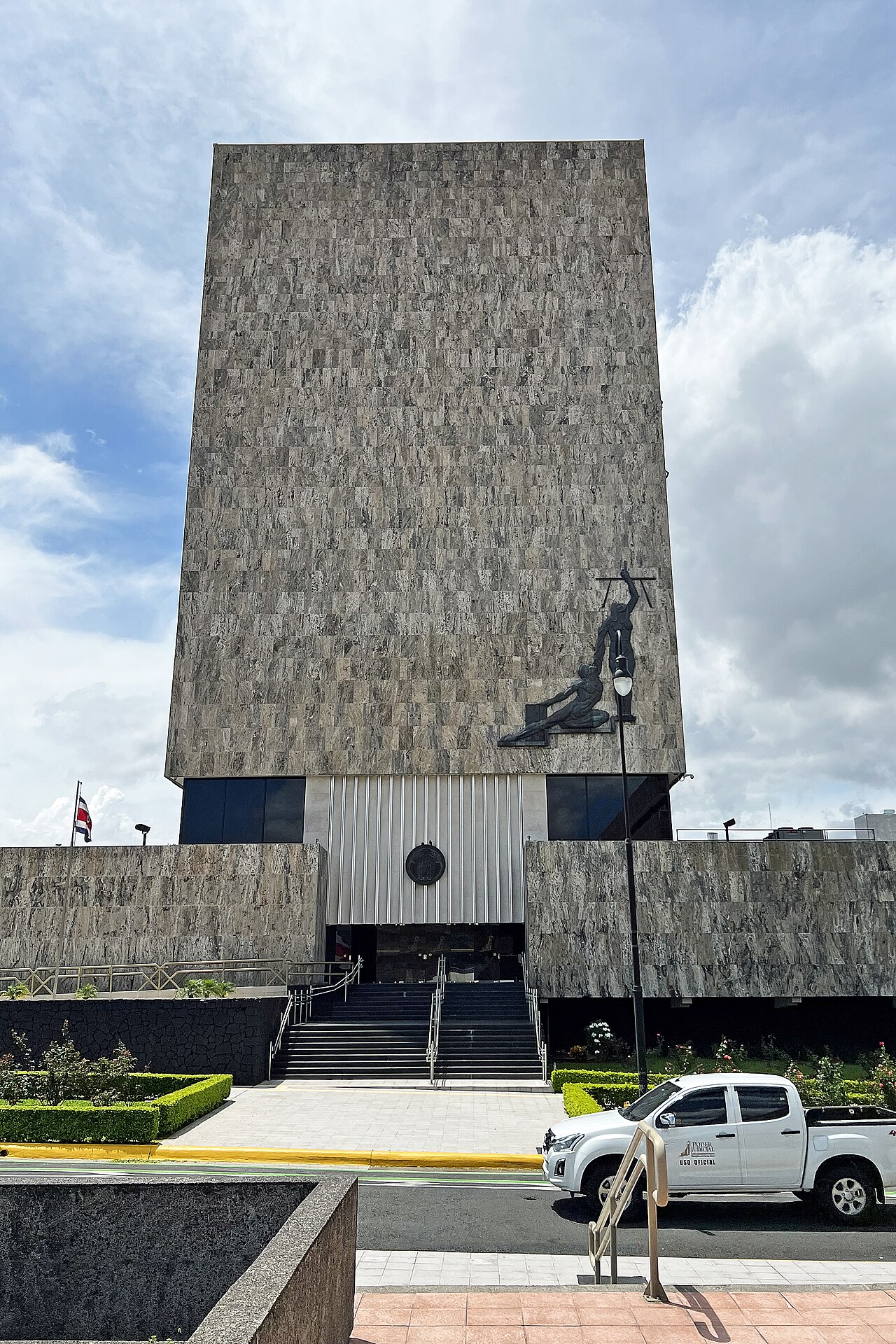
Costa Rica’s Constitutional Chamber, the court that checks laws against the constitution, ordered the Legislative Assembly (Congress) on Monday 9 November 2026 to stop debating and voting the 2027 national budget. The order stopped the final vote, called the second debate, that the governing Pueblo Soberano party wanted to hold.
For US readers, the clash shows how a fight over university and court funding can stall the budget of a Central American economy. Our earlier report on Costa Rica’s debt protest covers the wider pressure on public money.
What Happened
Two separate requests reached the Constitutional Chamber, which Costa Ricans also call Sala IV. The first came from Patricia Vargas, president of the Supreme Court of Justice, and the Chamber’s acting president, Fernando Cruz, granted it on Monday as an urgent precautionary order.
Vargas argued that approving the budget in its final, second debate before the Chamber answers the judiciary’s question would make that question pointless. She said the budget’s execution rules would partly paralyse the judiciary from 1 January 2027 and could cost more than 2,400 court employees their jobs.
The second request came from lawmakers of the National Liberation Party (PLN, a traditional opposition party) and the Frente Amplio (a left-wing party). A second order, requested by these lawmakers, suspended the discussion as well as the vote, and it reached the plenary around 6:30 p.m.
Legislative president Yara Jiménez, of the governing Pueblo Soberano party, had argued earlier that Cruz’s order stopped only the vote. Within minutes of the new notice, she closed the session.
The Two Fights Behind the Order
The judiciary objects to rules that block 29.8 billion colones (about US$66.7 million), or 5.6% of its budget, until a legislative committee approves their release. The Court says the rules would stop it filling vacant posts and could close offices.
The opposition lawmakers object to a cut of 8.048 billion colones (about US$18 million) to public university funds. That money belongs to postponed university funds from 2020 and 2021, which the lawmakers say a prior agreement with the government promised to return.
Why the Constitution Matters Here
The lawmakers say Articles 84 and 85 of the constitution protect the financial independence of state universities. They also cite a 2022 Chamber ruling that struck down an earlier cut to university funds and warned Congress not to repeat it.
The Chamber told the plenary not to hold the second debate before 29 November, close to the constitutional deadline for approving the budget. The order aims to keep the Chamber’s coming opinion from being made meaningless by a final vote.
What It Means for You
If you hold Costa Rican assets through a US fund, the order delays budget approval while the constitutional deadline at the end of November still looms. The colón trades near 447 per US dollar, so 1,000 colones are worth about US$2.24.
Travellers need not change plans, since the judiciary’s warning concerns the start of 2027. Businesses with court cases should watch whether the judiciary’s warning of closed offices from January becomes real.
What Is Not Known
It is not known when the Chamber will rule, or whether it will finish before the end-of-November deadline. Nobody has said what Congress will do if the deadline arrives first.
The governing party has not said whether it will accept the broader reading of the order, which covers the debate and not only the vote. The final size of any change to the judiciary’s and the universities’ funds is also open.
More: Costa Rica news in English, every day from The Rio Times.
Frequently Asked Questions
What Did Costa Rica’s Constitutional Court Order?
It told Congress to stop the second debate and the vote on the 2027 budget until it answers questions about spending cuts. The orders were issued on Monday 9 November 2026.
Why Is Costa Rica’s 2027 Budget Disputed?
The judiciary says budget rules would restrict its funds and endanger more than 2,400 jobs. Opposition lawmakers say a cut to university funds breaks the constitution.
When Must Costa Rica Pass the Budget?
The budget must pass by the end of November. The Chamber’s order tells lawmakers not to hold the second debate before 29 November.
How Big Is the 2027 Budget?
The ordinary budget totals about 12.4 trillion colones (about US$27.7 billion). It passed its first debate on Thursday 5 November 2026.
Sources: Judiciary of Costa Rica, Supreme Court president’s request and Constitutional Chamber orders, 9 November 2026; Legislative Assembly of Costa Rica, plenary session record and notice of the Chamber’s order, 9 November 2026; Central Bank of Costa Rica, exchange rate, 10 November 2026.
This article was produced by The Rio Times’ automated AI newsroom. Editorial responsibility: Matthias Camenzind, Publisher and Editor-in-Chief. The Rio Times also runs Ask Rio Times, which answers from 100,000+ of our own articles, the daily Latin America Power Map, and prediction-market odds on elections and markets.. How we use AI · Report an error