The Real Cost of Living in Mérida in 2026
MEXICO · COST OF LIVING
Key Facts
- —Single person, modestly About US$1,400 to US$2,200 a month, all in.
- —Couple, comfortably About US$2,000 to US$3,000 a month.
- —Furnished one-bedroom US$400 to US$700 in García Ginéres or Itzimná; US$700 to US$1,100 in Centro.
- —The variable that ruins budgets Electricity. Air conditioning can push a household into the unsubsidised DAC tariff at five to seven times the normal rate.
- —Bus fare MX$12, about US$0.71, on the Va y Ven system.
- —The exchange rate About 16.97 pesos to the dollar in September 2026, with annual inflation of 3.26%.
Mérida is not the cheapest city in Mexico and it is one of the safest. The budget that goes wrong here is almost always the electricity bill.
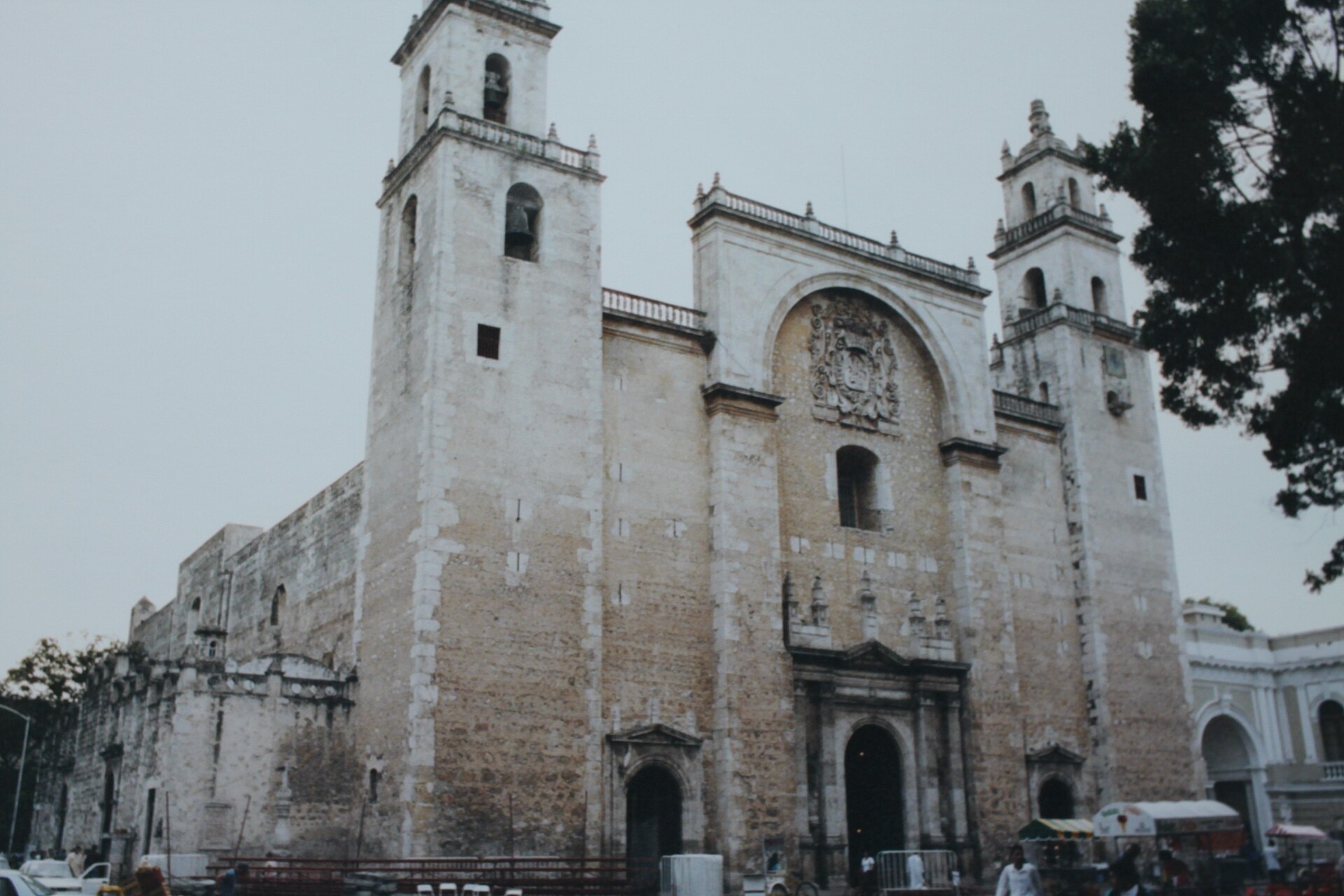
Mérida has become one of the most sought-after places in Mexico for foreigners, and the arithmetic of living there is more particular than the general Mexican cost-of-living figures suggest.
What You Will Pay for Somewhere to Live
A furnished one-bedroom in García Ginéres or Itzimná, the two neighbourhoods that suit most newcomers, runs roughly US$400 to US$700 a month. In the Centro Histórico the same thing costs US$700 to US$1,100.
An unfurnished two-bedroom of about 70 square metres in García Ginéres advertises at around MX$9,000, about US$530. Furnished two-bedrooms of 73 to 74 square metres sit near MX$11,000, about US$648, and a larger 92-square-metre unit with a laundry reaches MX$16,000, about US$943.
Centro looks romantic and prices accordingly. It is also the hardest part of the city to keep cool, and unrestored colonial houses that appear cheap to buy carry restoration costs that regularly exceed the purchase price.
The Neighbourhoods, Briefly
Centro Histórico is the largest colonial centre in the Americas after Havana and is walkable, noisy during events and heavy on maintenance. García Ginéres is leafy mid-century housing around the Parque de las Américas and offers the best balance of local and foreign life.
Itzimná has old quinta houses on large lots with mature trees. Altabrisa in the north is modern, close to the private hospitals and shopping centres, and assumes you have a car. Temozón Norte, Cholul and Conkal form the gated belt along the international-school corridor, where car dependence is total and the cheap bus fare is irrelevant.

The Electricity Trap
This is the single largest budget variable in Mérida and the one newcomers from cooler climates consistently get wrong. The national utility charges in tiers: roughly MX$0.80 to MX$0.98 per kilowatt hour at the basic subsidised level, MX$1.00 to MX$1.20 at the intermediate level, MX$3.20 for excess consumption, and MX$5.60 to MX$6.70 under the DAC tariff.
DAC is triggered by a twelve-month rolling average, not by a single hot month, at roughly 850 to 1,000 kilowatt hours a month depending on the tariff band. Cross it and the subsidy is withdrawn entirely, at five to seven times the subsidised rate, and it is slow to reverse.
Yucatán has been on the summer tariff since May 2026. Between April and September temperatures regularly pass 38 degrees with high humidity, and inland Mérida has none of the sea breeze that moderates the coast.
Everything Else
Combined utilities including electricity, water, internet, gas and refuse typically run MX$1,500 to MX$3,000, about US$88 to US$177 a month. Water is almost nothing: roughly MX$107 for 15 cubic metres over two months, about US$6.
Fibre internet costs MX$349 for 120 megabits with Telmex, about US$21, MX$599 for 150 megabits with Totalplay, about US$35, or MX$869 for a gigabit with Izzi, about US$51.
Groceries run US$150 to US$300 a month for one person. A comida corrida costs MX$45 to MX$80, about US$2.65 to US$4.70. A casual dinner is US$15 to US$25 a head and a mid-range dinner for two US$30 to US$60.
Getting Around
The Va y Ven bus costs MX$12, about US$0.71, and is cashless only. A second trip within two hours costs MX$6 and the third and fourth are free with a physical card. The airport route is MX$45.
Uber and DiDi start at about MX$25, roughly US$1.47. Magna petrol was MX$23.678 a litre in mid-September, about US$1.40.
Healthcare
A private GP consultation costs MX$500, about US$29, with specialists at US$40 to US$80.
Private insurance for a healthy applicant in their forties or fifties runs US$1,200 to US$3,000 a year, roughly US$100 to US$250 a month, depending on deductible and hospital tier. The curve steepens sharply after sixty, and most Mexican insurers stop issuing new policies around seventy.
The practical advice from long-term residents is consistent: insure the catastrophe and pay cash for the routine.
How Mérida Compares
Against Mexico City, the difference is climate and scale. The capital is temperate highland year-round; Mérida is hot and humid for half the year. Against Playa del Carmen and Tulum, Mérida is cheaper and the foreign community is smaller and less transient.
Safety is the city’s headline asset. Mérida is consistently ranked among the safest cities in North America rather than merely in Mexico, and that reputation is the reason most newcomers look at it in the first place.
What to Budget
A single person living modestly should plan on US$1,400 to US$2,200 a month, covering rent, utilities, groceries, local transport, some eating out and basic insurance.
A couple living comfortably should plan on US$2,000 to US$3,000, adding a car or frequent ride-hailing, a better neighbourhood and regular restaurants.
The peso traded near 16.97 to the dollar in mid-September 2026 with annual inflation at 3.26%, so peso prices quoted here are stable. The risk to these figures is currency movement rather than domestic inflation.
More: Mexico guides and news, every day from The Rio Times.
Frequently Asked Questions
How much does it cost to live in Mérida?
About US$1,400 to US$2,200 a month for a single person living modestly, and US$2,000 to US$3,000 for a couple living comfortably.
How much is rent in Mérida?
A furnished one-bedroom runs US$400 to US$700 in García Ginéres or Itzimná and US$700 to US$1,100 in Centro.
Why are electricity bills so high?
Air conditioning can push a household past the subsidy threshold into the DAC tariff, which costs five to seven times the subsidised rate and is triggered by a twelve-month rolling average.
Is Mérida safe?
It is consistently ranked among the safest cities in North America, which is the main reason foreigners choose it.
Which neighbourhood should a newcomer choose?
García Ginéres or Itzimná for the balance of price, character and walkability. Centro costs roughly double for worse heat performance.
Do I need a car?
Not in Centro, García Ginéres or Itzimná. In Temozón Norte, Cholul and Conkal a car is essential.
Sources: JAPAY, Comisión Federal de Electricidad tariff schedules, Inmuebles24, Yucatán Today, Infobae fuel price data.
This article was produced by The Rio Times’ automated newsroom system. How we use AI · Report an error
Read More from The Rio Times