The Real Cost of Living in Johannesburg in 2026
SOUTH AFRICA · COST OF LIVING
Key Facts
- —One-bedroom, Sandton About 9,000 to 14,000 rand a month, roughly US$556 to US$865.
- —One-bedroom, Fourways About 6,500 to 9,500 rand, roughly US$401 to US$587.
- —The headline that changed National load-shedding has been suspended for more than 470 consecutive days.
- —The problem that replaced it Water. Johannesburg recorded at least 22 major outages in a fortnight around the turn of the year.
- —Electricity City Power tariffs rose 8.63% on 1 July 2026, with residential prepaid up 9.01%.
- —The exchange rate About 16.19 rand to the dollar in September 2026.
The power crisis that defined Johannesburg for a decade has eased. The utility that now fails is the water supply, and it fails in the suburbs foreigners live in.
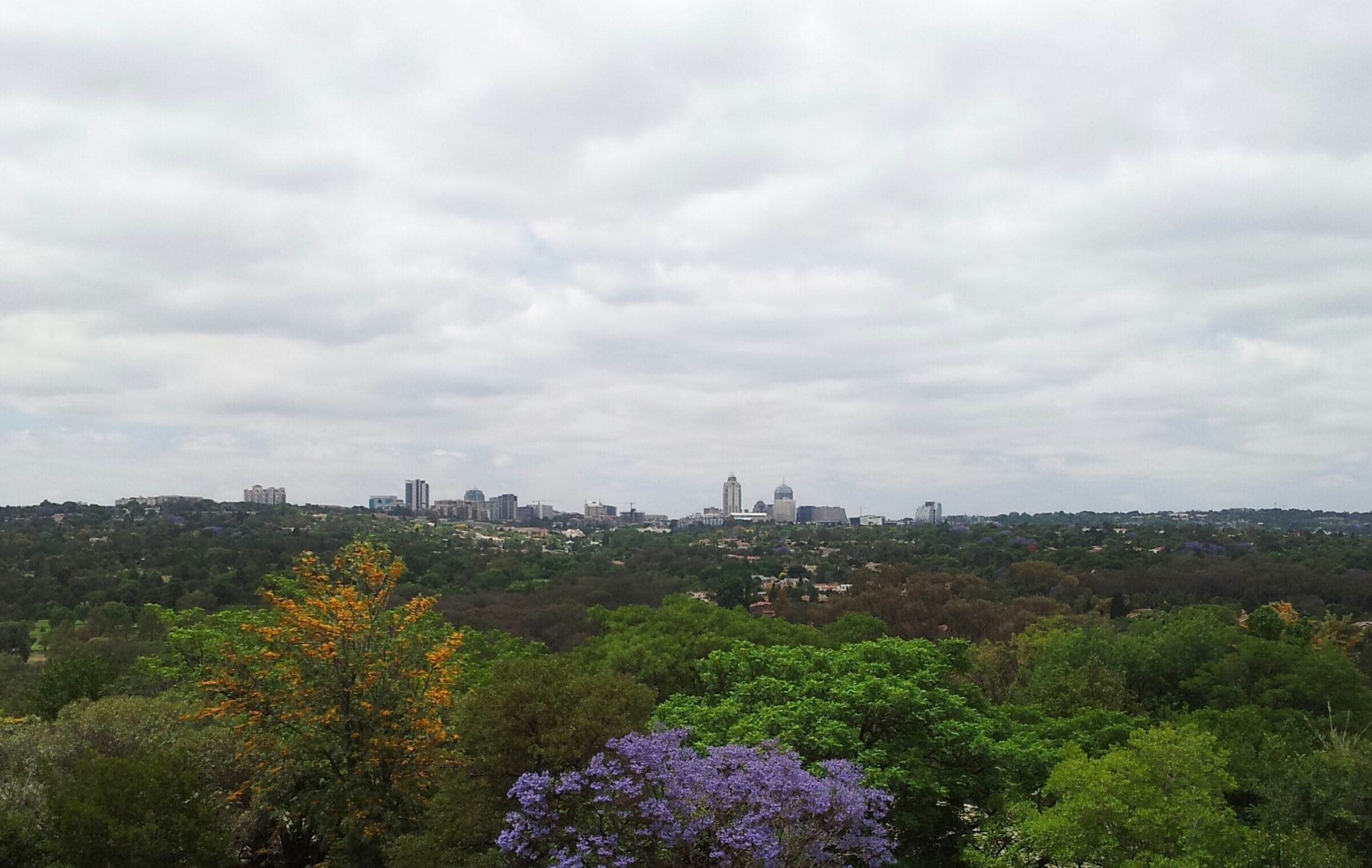
Johannesburg has become markedly easier to live in over the past eighteen months for one reason and markedly harder for another, and neither shows up in a rent table.
What Rent Costs by Suburb
Survey data puts a one-bedroom in the centre at about 8,388 rand, roughly US$518, and a three-bedroom at about 16,900 rand, roughly US$1,044. Suburb-level figures matter far more in this city than a citywide average.
One-bedrooms run about 12,000 to 20,000 rand in Melrose Arch, roughly US$741 to US$1,235; 9,000 to 14,000 in Sandton; 8,500 to 13,000 in Rosebank; 8,000 to 12,000 in Parkhurst; 7,500 to 11,000 in Bryanston; and 6,500 to 9,500 in Fourways.
Three-bedroom houses run from about 16,000 rand in Fourways, roughly US$988, to 30,000 or more in Melrose Arch, roughly US$1,853 and up.
The Suburbs, Briefly
Sandton is the corporate hub with the highest rents, dense secure apartments and a Gautrain station linking Pretoria and the airport. It offers maximum security and minimum street life.
Rosebank is the more relaxed, walkable alternative, with its own Gautrain station, restaurants and weekend markets. Parkhurst and Parktown North are tree-lined streets of restored 1930s and 1940s houses with a genuine restaurant strip on Fourth Avenue and fifteen to twenty minutes to Sandton.
Fourways and Bryanston offer larger stands, family homes, walled estates and several international schools, at the cost of a longer commute. Melrose Arch is a purpose-built secure precinct behind a controlled perimeter, aimed at corporate transferees who want lock-up-and-go.
Load-Shedding Is No Longer the Story
National load-shedding has been suspended for more than 470 consecutive days as of early September 2026, since roughly May 2025. The energy availability factor reached about 67.8%, the highest since 2020, with nearly 6,900 megawatts of generation restored and diesel spending down more than 80%.
Three caveats belong with that. City Power still runs localised load reduction in some high-consumption Johannesburg areas at evening peak, which is a grid-protection measure distinct from national load-shedding, so check a specific suburb’s history rather than the national picture.
Second, backup power has shifted from necessity to convenience. A small uninterruptible supply costs 2,000 to 6,000 rand, roughly US$124 to US$371; a hybrid inverter with a small battery costs 35,000 to 57,000 installed, roughly US$2,162 to US$3,521; adding solar panels costs a further 20,000 to 35,000.
Third, the utility has flagged renewed risk toward the end of the decade as ageing coal stations retire. That is a forecast rather than a current condition.

Water Is the Live Failure
Johannesburg recorded at least 22 major water outages in the two weeks around the turn of 2026, affecting Houghton, Norwood, Killarney, the Sandton central business district and Hyde Park alongside the inner city and Soweto. Those are the suburbs foreigners live in.
The underlying numbers explain why it recurs. The city logged 20,915 leaks and pipe bursts in the second half of 2025, some sections of pipe are eighty years old, only about 17 kilometres of a 12,364-kilometre distribution network are replaced each year, and 27% of water is lost before it is billed.
The city estimates it needs about 27 billion rand against a budget of 1.7 billion. Anyone renting in Johannesburg should ask about storage tanks and the building’s outage history, which is the question that used to be asked about generators.
Utilities and Tariffs
City Power raised tariffs 8.63% on average from 1 July 2026, with residential prepaid energy up 9.01%. The first 350 kilowatt hours cost 3.34 rand each including tax, the next band 3.83 and consumption above 500 kilowatt hours 4.37.
Fixed monthly charges of about 241.50 rand apply regardless of consumption. A 450-kilowatt-hour month costs about 1,794 rand, roughly US$111; 850 kilowatt hours about 3,513 rand, roughly US$217; and 1,200 kilowatt hours about 5,041 rand, roughly US$311.
The city also raised water 12.5%, sanitation 11%, refuse 6.2% and property rates 3.6% from the same date. A typical household’s combined municipal utilities now run roughly 3,650 to 3,900 rand a month, about US$226 to US$241. Fibre internet costs 700 to 1,000 rand, roughly US$43 to US$62.
Food and Eating Out
A litre of milk costs about 21.50 rand, a 500-gram loaf 18.53, a dozen eggs 43.68, chicken about 91.76 a kilo and cheese about 143.50 a kilo.
An inexpensive restaurant meal costs about 200 rand, roughly US$12.35, and a mid-range dinner for two about 775 rand, roughly US$47.87. A gym membership runs about 602 rand, roughly US$37. Groceries for a couple come to 4,500 to 7,000 rand a month.

Why Everyone Drives
Johannesburg was built around the car and the public transport network does not connect the suburbs foreigners live in to each other. The Gautrain is excellent on the corridors it serves, which are Sandton, Rosebank, Pretoria and the airport, and irrelevant everywhere else.
That makes a car a fixed cost rather than an option in most of the city, and it makes proximity to a Gautrain station a genuine premium in Sandton and Rosebank.
What to Budget
A single person in a one-bedroom in Rosebank or Fourways with a car should plan on roughly US$1,400 to US$2,000 a month including rent, utilities, groceries, fuel, medical cover and some eating out.
A couple in a three-bedroom house in Bryanston or Fourways with two cars and school-age children will be well above that, and school fees are the line item that dominates any family budget in Johannesburg.
The rand traded near 16.19 to the dollar in mid-September 2026, having strengthened about 6.7% over the year. That appreciation makes local prices look higher in dollars than they did twelve months ago.
More: Africa guides and news, every day from The Rio Times.
Frequently Asked Questions
How much is rent in Johannesburg?
A one-bedroom runs about 9,000 to 14,000 rand in Sandton (roughly US$556 to US$865) and 6,500 to 9,500 in Fourways (roughly US$401 to US$587).
Is load-shedding still a problem?
National load-shedding has been suspended for more than 470 consecutive days. Localised load reduction still occurs in some areas at evening peak.
What is the water situation?
Johannesburg recorded at least 22 major outages in a fortnight around the turn of 2026, including in Sandton, Hyde Park and Killarney. Ask about storage tanks before renting.
How much are utilities?
Roughly 3,650 to 3,900 rand a month, about US$226 to US$241, after the 1 July 2026 tariff increases.
Do I need a car?
In most of the city, yes. The Gautrain serves Sandton, Rosebank, Pretoria and the airport and little else.
Which suburb should I choose?
Rosebank and Parkhurst for walkability, Sandton for corporate convenience, Fourways and Bryanston for space and schools.
Sources: Numbeo, City Power tariff schedules, City of Johannesburg, Daily Maverick, Eskom, Trading Economics.
This article was produced by The Rio Times’ automated newsroom system. How we use AI · Report an error
Read More from The Rio Times