IBOV 187,958.63 ▲ 1.25% IPSA 11,300.24 ▼ 0.62% IPC MEX 64,479.96 ▼ 0.52% MERVAL 3,142,643 ▲ 1.04% COLCAP 2,600.18 ▲ 0.63% BVL PERÚ 60,702.89 ▼ 2.17% USD/BRL5.10▼ 0.20% USD/MXN16.99▲ 0.58% USD/CLP940.57▲ 1.39% USD/COP3,081▼ 1.14% USD/PEN3.36▲ 0.13% USD/ARS1,513▼ 0.08% USD/UYU40.24▲ 3.05% USD/PYG5,868▲ 2.26% USD/BOB12.36▲ 1.91% USD/DOP58.60▲ 0.17% USD/CRC447.58▲ 1.69% USD/GTQ7.63▲ 3.04% USD/HNL26.85▲ 0.57% USD/NIO36.62▲ 0.34% USD/VES825.67▼ 0.13% USD/PAB1.00— 0.00% USD/BZD2.00— 0.00% USD/JMD 157.28 — 0.00% USD/TTD6.73▲ 2.40% EUR/BRL5.92▲ 0.23% BRENT 88.88 ▼ 0.03% WTI 83.11 ▼ 0.11% IRON ORE 161.91 — — COPPER 6.61 ▲ 0.03% GOLD 4,461 ▲ 1.78% SILVER 65.59 ▲ 1.26% SOY 1,184 ▲ 3.20% CORN 480.50 ▲ 10.02% WHEAT 655.00 ▲ 3.93% COFFEE 317.25 ▼ 5.51% SUGAR 16.43 ▼ 1.79% ORANGE JUICE 138.55 ▼ 0.47% COTTON 85.03 ▲ 2.33% COCOA 5,719 ▲ 3.18% BEEF 223.60 ▼ 3.93% CATTLE 339.10 ▼ 3.16% LITHIUM 75.20 ▲ 1.47% PETR4 41.64 ▼ 0.05% VALE3 72.97 ▲ 0.83% ITUB4 38.60 ▼ 1.03% BBDC4 16.85 ▲ 0.36% ABEV3 14.89 ▼ 0.80% BBAS3 19.37 ▲ 0.47% B3SA3 14.26 ▼ 0.21% WEGE3 47.59 ▲ 0.49% PRIO3 59.14 ▼ 0.19% SUZB3 41.33 ▲ 2.35% RENT3 34.68 ▼ 0.09% AZZA3 15.89 ▼ 2.63% CSAN3 3.22 ▼ 1.83% RAIZ4 0.25 — 0.00% PCAR3 2.75 ▼ 0.36% GMAT3 3.65 ▼ 1.08% PSSA3 48.13 ▼ 0.54% CVCB3 1.33 ▼ 2.92% POSI3 3.36 ▲ 2.44% SLCE3 13.34 ▲ 0.30% NATU3 8.14 ▼ 0.73% IBOV 187,958.63 ▲ 1.25% IPSA 11,300.24 ▼ 0.62% IPC MEX 64,479.96 ▼ 0.52% MERVAL 3,142,643 ▲ 1.04% COLCAP 2,600.18 ▲ 0.63% BVL PERÚ 60,702.89 ▼ 2.17% USD/BRL 5.16 ▲ 0.01% USD/MXN 17.06 ▼ 0.24% USD/CLP 913.98 ▲ 0.04% USD/COP 3,140 ▲ 0.03% USD/PEN 3.36 ▼ 0.66% USD/ARS 1,493 ▲ 0.10% USD/UYU 40.27 ▲ 1.24% USD/PYG 5,939 ▲ 1.68% USD/BOB 11.64 ▼ 0.76% USD/DOP 58.34 ▲ 1.25% USD/CRC 445.92 ▲ 0.89% USD/GTQ 7.62 ▲ 2.21% USD/HNL 26.79 ▲ 1.57% USD/NIO 36.62 ▲ 0.69% USD/VES 762.44 ▼ 0.13% USD/PAB 1.00 — 0.00% USD/BZD 2.00 — 0.00% USD/JMD 157.28 — 0.00% USD/TTD 6.70 ▲ 0.61% EUR/BRL 5.95 ▲ 1.01% BRENT 88.88 ▼ 0.03% WTI 83.11 ▼ 0.11% IRON ORE 161.91 — — COPPER 6.61 ▲ 0.03% GOLD 4,461 ▲ 1.78% SILVER 65.59 ▲ 1.26% SOY 1,184 ▲ 3.20% CORN 480.50 ▲ 10.02% WHEAT 655.00 ▲ 3.93% COFFEE 317.25 ▼ 5.51% SUGAR 16.43 ▼ 1.79% ORANGE JUICE 138.55 ▼ 0.47% COTTON 85.03 ▲ 2.33% COCOA 5,719 ▲ 3.18% BEEF 223.60 ▼ 3.93% CATTLE 339.10 ▼ 3.16% LITHIUM 75.20 ▲ 1.47% PETR4 41.64 ▼ 0.05% VALE3 72.97 ▲ 0.83% ITUB4 38.60 ▼ 1.03% BBDC4 16.85 ▲ 0.36% ABEV3 14.89 ▼ 0.80% BBAS3 19.37 ▲ 0.47% B3SA3 14.26 ▼ 0.21% WEGE3 47.59 ▲ 0.49% PRIO3 59.14 ▼ 0.19% SUZB3 41.33 ▲ 2.35% RENT3 34.68 ▼ 0.09% AZZA3 15.89 ▼ 2.63% CSAN3 3.22 ▼ 1.83% RAIZ4 0.25 — 0.00% PCAR3 2.75 ▼ 0.36% GMAT3 3.65 ▼ 1.08% PSSA3 48.13 ▼ 0.54% CVCB3 1.33 ▼ 2.92% POSI3 3.36 ▲ 2.44% SLCE3 13.34 ▲ 0.30% NATU3 8.14 ▼ 0.73%
since 2009
Thursday, September 10, 2026

Africa Northern Africa

Controversy and Low Energy Mark Tunisia’s Presidential Campaign

By · October 4, 2024 · 2 min read

Africa Intelligence

One email, every weekday morning. African markets, politics and business — filed from our newsroom in Rio.

Yesterday’s subject line: “Nigeria's Dangote signs for Africa's biggest IPO ever”

Free. We send a confirmation link first — nothing arrives until you click it. Unsubscribe with one click in any edition. If you stop opening us for 30 days we stop sending by ourselves, as we assume the interest is no longer there. See our privacy policy. We never share your email.

Tunisia stands at a critical juncture as it prepares for its presidential election on October 6, 2024. Nearly 10 million voters will head to the polls to choose their next leader.

This election marks a significant moment in Tunisia’s democratic journey since the 2011 revolution. The electoral landscape has changed dramatically since the last presidential race.

Only three candidates have received approval to run this time. This stark reduction from 26 candidates in 2019 has raised eyebrows among observers.

The approved candidates include incumbent President Kaïs Saïed, who seeks a second term. Zouhair Maghzaoui, Secretary-General of the People’s Movement party, also joins the race.

The third candidate, Ayachi Zammel, faces unique challenges. As the founder of the “Azimoun” movement, Zammel currently sits in detention. This situation has effectively silenced his campaign.
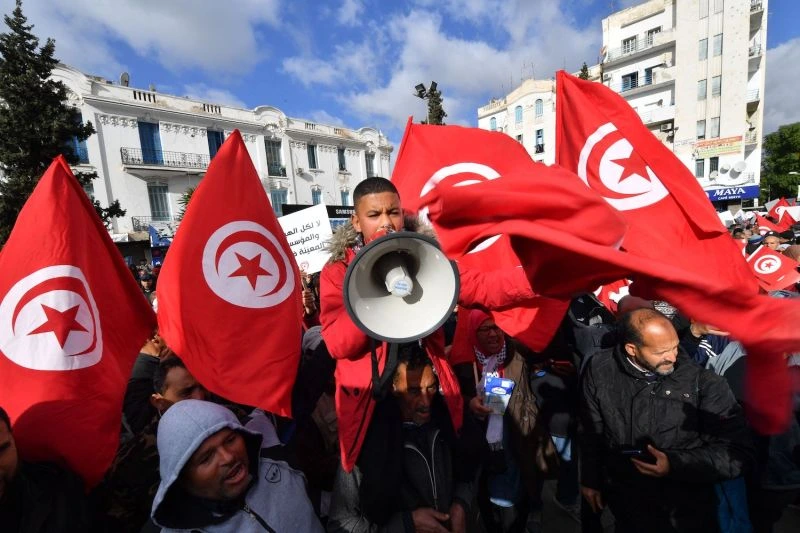
Controversy and Low Energy Mark Tunisia's Presidential Campaign
Controversy and Low Energy Mark Tunisia’s Presidential Campaign.
One-stop reference
Company Intelligence
Every listed company in Latin America — financials, ownership and structure for 1,450+ companies across 26 exchanges, in one place.
Browse the directory →
RT
Ask Rio Times
17 years of Latin America reporting, on demand.
Open the full Ask Rio Times →

The election takes place against a backdrop of political upheaval. President Saïd suspended parliament in July 2021, a move many critics labeled as a coup.

He then pushed through a new constitution in 2022, which significantly expanded presidential powers. These actions have sparked concerns about Tunisia‘s democratic future.

Voter Participation and the Future of Democracy

Voter participation remains a key focus of this election. The Tunisian electoral body comprises 9,753,217 registered voters.

Interestingly, 6.6% of these voters reside abroad. Overseas voting began on October 4, while domestic polls will open on October 6.

The campaign period, which started on September 14, has lacked the usual energy. Political and legal debates have dominated discussions.

Zouhair Maghzaoui has emerged as the most active campaigner, organizing 98 events. Supporters of President Saïd have held 221 activities across the country.

Recent legislative changes have added another layer of complexity to the election. Electoral dispute resolution now falls under the jurisdiction of regular courts.

Previously, the administrative court handled these matters. This shift has sparked debates about the integrity of the electoral process. The international community watches this election with great interest.

Tunisia’s role as the lone democracy to emerge from the Arab Spring hangs in the balance. The European Union faces a particular dilemma. It must balance support for democratic processes with its migration agreement with Tunisia.

The outcome of this election carries significant implications. It will shape Tunisia’s domestic policies and its relationships with neighboring countries.

The next president will also face daunting economic challenges, including high unemployment and inflation. As Tunisians prepare to cast their votes, the world waits to see which path they will choose.

Will they reaffirm their commitment to democracy, or will they continue down a more authoritarian road? The answer to this question will resonate far beyond Tunisia’s borders.

This article was produced by The Rio Times’ automated newsroom system. How we use AI · Report an error

Part of our ongoing coverage

Africa: The New Scramble — the great-power contest over the continent.

More from Northern Africa

Read More from The Rio Times

The Rio Times · Power Map
See who really holds power in Latin America
Click to open the Power Map

Rotate for Best Experience

This report is optimized for landscape viewing. Rotate your phone for the full experience.