IBOV 188,268.59 ▲ 1.42% IPSA 11,300.24 ▼ 0.62% IPC MEX 64,479.96 ▼ 0.52% MERVAL 3,142,643 ▲ 1.04% COLCAP 2,600.18 ▲ 0.63% BVL PERÚ 60,702.89 ▼ 2.17% USD/BRL5.10▼ 0.08% USD/MXN16.99▲ 0.58% USD/CLP940.57▲ 1.39% USD/COP3,081▼ 1.14% USD/PEN3.35▼ 0.13% USD/ARS1,513▼ 0.08% USD/UYU40.24▲ 3.05% USD/PYG5,868▲ 2.26% USD/BOB12.36▲ 1.91% USD/DOP58.60▲ 0.17% USD/CRC447.58▲ 1.69% USD/GTQ7.63▲ 3.04% USD/HNL26.85▲ 0.57% USD/NIO36.62▲ 0.34% USD/VES825.67▼ 0.13% USD/PAB1.00— 0.00% USD/BZD2.00— 0.00% USD/JMD 157.28 — 0.00% USD/TTD6.73▲ 2.40% EUR/BRL5.93▲ 0.38% BRENT 88.88 ▼ 0.03% WTI 83.11 ▼ 0.11% IRON ORE 161.91 — — COPPER 6.61 ▲ 0.03% GOLD 4,461 ▲ 1.78% SILVER 65.59 ▲ 1.26% SOY 1,184 ▲ 3.20% CORN 480.50 ▲ 10.02% WHEAT 655.00 ▲ 3.93% COFFEE 317.25 ▼ 5.51% SUGAR 16.43 ▼ 1.79% ORANGE JUICE 138.55 ▼ 0.47% COTTON 85.03 ▲ 2.33% COCOA 5,719 ▲ 3.18% BEEF 223.60 ▼ 3.93% CATTLE 339.10 ▼ 3.16% LITHIUM 75.20 ▲ 1.47% PETR4 41.64 ▼ 0.05% VALE3 72.97 ▲ 0.83% ITUB4 38.60 ▼ 1.03% BBDC4 16.85 ▲ 0.36% ABEV3 14.89 ▼ 0.80% BBAS3 19.37 ▲ 0.47% B3SA3 14.26 ▼ 0.21% WEGE3 47.59 ▲ 0.49% PRIO3 59.14 ▼ 0.19% SUZB3 41.33 ▲ 2.35% RENT3 34.68 ▼ 0.09% AZZA3 15.89 ▼ 2.63% CSAN3 3.22 ▼ 1.83% RAIZ4 0.25 — 0.00% PCAR3 2.75 ▼ 0.36% GMAT3 3.65 ▼ 1.08% PSSA3 48.13 ▼ 0.54% CVCB3 1.33 ▼ 2.92% POSI3 3.36 ▲ 2.44% SLCE3 13.34 ▲ 0.30% NATU3 8.14 ▼ 0.73% IBOV 188,268.59 ▲ 1.42% IPSA 11,300.24 ▼ 0.62% IPC MEX 64,479.96 ▼ 0.52% MERVAL 3,142,643 ▲ 1.04% COLCAP 2,600.18 ▲ 0.63% BVL PERÚ 60,702.89 ▼ 2.17% USD/BRL 5.16 ▲ 0.01% USD/MXN 17.06 ▼ 0.24% USD/CLP 913.98 ▲ 0.04% USD/COP 3,140 ▲ 0.03% USD/PEN 3.36 ▼ 0.66% USD/ARS 1,493 ▲ 0.10% USD/UYU 40.27 ▲ 1.24% USD/PYG 5,939 ▲ 1.68% USD/BOB 11.64 ▼ 0.76% USD/DOP 58.34 ▲ 1.25% USD/CRC 445.92 ▲ 0.89% USD/GTQ 7.62 ▲ 2.21% USD/HNL 26.79 ▲ 1.57% USD/NIO 36.62 ▲ 0.69% USD/VES 762.44 ▼ 0.13% USD/PAB 1.00 — 0.00% USD/BZD 2.00 — 0.00% USD/JMD 157.28 — 0.00% USD/TTD 6.70 ▲ 0.61% EUR/BRL 5.95 ▲ 1.01% BRENT 88.88 ▼ 0.03% WTI 83.11 ▼ 0.11% IRON ORE 161.91 — — COPPER 6.61 ▲ 0.03% GOLD 4,461 ▲ 1.78% SILVER 65.59 ▲ 1.26% SOY 1,184 ▲ 3.20% CORN 480.50 ▲ 10.02% WHEAT 655.00 ▲ 3.93% COFFEE 317.25 ▼ 5.51% SUGAR 16.43 ▼ 1.79% ORANGE JUICE 138.55 ▼ 0.47% COTTON 85.03 ▲ 2.33% COCOA 5,719 ▲ 3.18% BEEF 223.60 ▼ 3.93% CATTLE 339.10 ▼ 3.16% LITHIUM 75.20 ▲ 1.47% PETR4 41.64 ▼ 0.05% VALE3 72.97 ▲ 0.83% ITUB4 38.60 ▼ 1.03% BBDC4 16.85 ▲ 0.36% ABEV3 14.89 ▼ 0.80% BBAS3 19.37 ▲ 0.47% B3SA3 14.26 ▼ 0.21% WEGE3 47.59 ▲ 0.49% PRIO3 59.14 ▼ 0.19% SUZB3 41.33 ▲ 2.35% RENT3 34.68 ▼ 0.09% AZZA3 15.89 ▼ 2.63% CSAN3 3.22 ▼ 1.83% RAIZ4 0.25 — 0.00% PCAR3 2.75 ▼ 0.36% GMAT3 3.65 ▼ 1.08% PSSA3 48.13 ▼ 0.54% CVCB3 1.33 ▼ 2.92% POSI3 3.36 ▲ 2.44% SLCE3 13.34 ▲ 0.30% NATU3 8.14 ▼ 0.73%
since 2009
Thursday, September 10, 2026

Africa Northern Africa

Tunisia’s Thirst Crisis: A Watershed Moment in North Africa

By · August 5, 2024 · 2 min read

Africa Intelligence

One email, every weekday morning. African markets, politics and business — filed from our newsroom in Rio.

Yesterday’s subject line: “Nigeria's Dangote signs for Africa's biggest IPO ever”

Free. We send a confirmation link first — nothing arrives until you click it. Unsubscribe with one click in any edition. If you stop opening us for 30 days we stop sending by ourselves, as we assume the interest is no longer there. See our privacy policy. We never share your email.

Amid an unprecedented water shortage, Tunisia faces mounting protests across the nation.

As a stark symptom of climate challenges in North Africa, this crisis threatens not just the supply of drinking water but also the nation’s social and economic stability.

During the summer of 2024, Tunisia finds itself at the epicenter of a severe crisis, crystallizing social tensions and highlighting the country’s vulnerability to climate change.

The chronic water shortage now impacts all facets of Tunisian daily life—from drinking water to agriculture and industry.

This alarming situation is part of a broader pattern of water stress affecting North Africa, where dwindling water resources pose an existential challenge to local populations and economies.
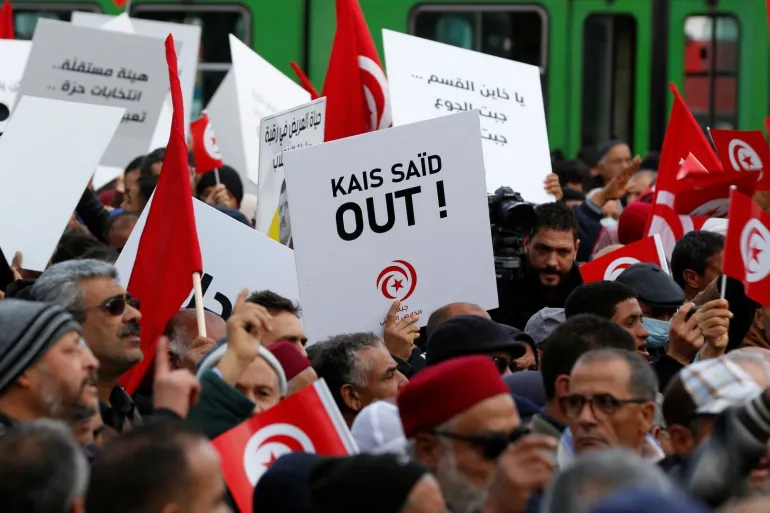
Tunisia's Thirst Crisis: A Watershed Moment in North Africa
Tunisia’s Thirst Crisis: A Watershed Moment in North Africa.
One-stop reference
Company Intelligence
Every listed company in Latin America — financials, ownership and structure for 1,450+ companies across 26 exchanges, in one place.
Browse the directory →
RT
Ask Rio Times
17 years of Latin America reporting, on demand.
Open the full Ask Rio Times →

In response, Tunisian citizens are taking to the streets, voicing their dismay and anger through increasingly frequent protests.

Water has become a symbol of a broader struggle for dignity and fundamental rights, exposing deep flaws in resource management and governance.

In July 2024, Tunisia witnessed a significant surge in protest movements, with a 15% increase from the previous month.

Additionally, the country recorded 245 protest actions, nearing the peak of 248 movements seen in May.

The region of Gafsa emerged as the protest epicenter, followed closely by Médenine, Jendouba, Kairouan, and Nabeul.

The Water Crisis: A Major Catalyst for Tension

At the heart of these protests is the scarcity of drinking water, which has become the main concern. This issue accounts for over 20% of the actions.

Hundreds have voiced their discontent through sit-ins and road blockages, protesting against recurrent water cuts.

This crisis has not spared the agricultural sector, particularly in the northwest, where farmers protested the lack of irrigation water, jeopardizing their crops.

In addition, the issue of thirst is not unique to Tunisia. It falls within a wider context of water stress affecting all of North Africa.

Neighboring countries like Algeria, Morocco, and Libya face similar challenges, exacerbated by climate change and sometimes inefficient water resource management.

This critical situation threatens not only access to potable water for the populations but also food security and economic stability in the region.

Persistent social and professional claims

Alongside the water crisis, professional demands have made up a significant portion of the protests, representing 36% of social actions.

Workers have primarily protested over salary issues and working conditions. This is evident from the demonstrations by gardening company employees in Kebili and Tataouine.

Citizens have spearheaded these movements, demanding fundamental rights such as access to potable water, electricity, and healthcare services.

The protests have varied in form, from peaceful marches to sit-ins to more radical actions like road blockages. Workplaces, roads, and media outlets have become the main stages for these demonstrations.

This article was produced by The Rio Times’ automated newsroom system. How we use AI · Report an error

Part of our ongoing coverage

Africa: The New Scramble — the great-power contest over the continent.

More from Northern Africa

Read More from The Rio Times

The Rio Times · Power Map
See who really holds power in Latin America
Click to open the Power Map

Rotate for Best Experience

This report is optimized for landscape viewing. Rotate your phone for the full experience.