Los Maitenes 131 MWp Solar-Plus-Storage Plant Breaks Ground
Energy: Rancagua
Key Facts
—Project. ContourGlobal has begun building Los Maitenes, a hybrid solar-plus-storage plant in Chile’s O’Higgins region.
—Capacity. It pairs 131 MWp of solar photovoltaic capacity with a 90 MW / 360 MWh battery energy storage system.
—Output. The plant is expected to generate about 220 GWh of clean electricity a year, with completion targeted for the end of 2027.
—Offtake. Output is backed by a long-term power purchase agreement covering both daytime and nighttime supply, with surplus sold on the merchant market.
—Portfolio. Construction will employ up to 400 people; once complete, ContourGlobal’s Chile portfolio rises to about 583 MWp of solar and 490 MW / 2.9 GWh of storage.
ContourGlobal has started construction of Los Maitenes, a hybrid solar-plus-storage plant in Chile’s O’Higgins region that will pair 131 MWp of solar with a 90 MW battery to supply power day and night.
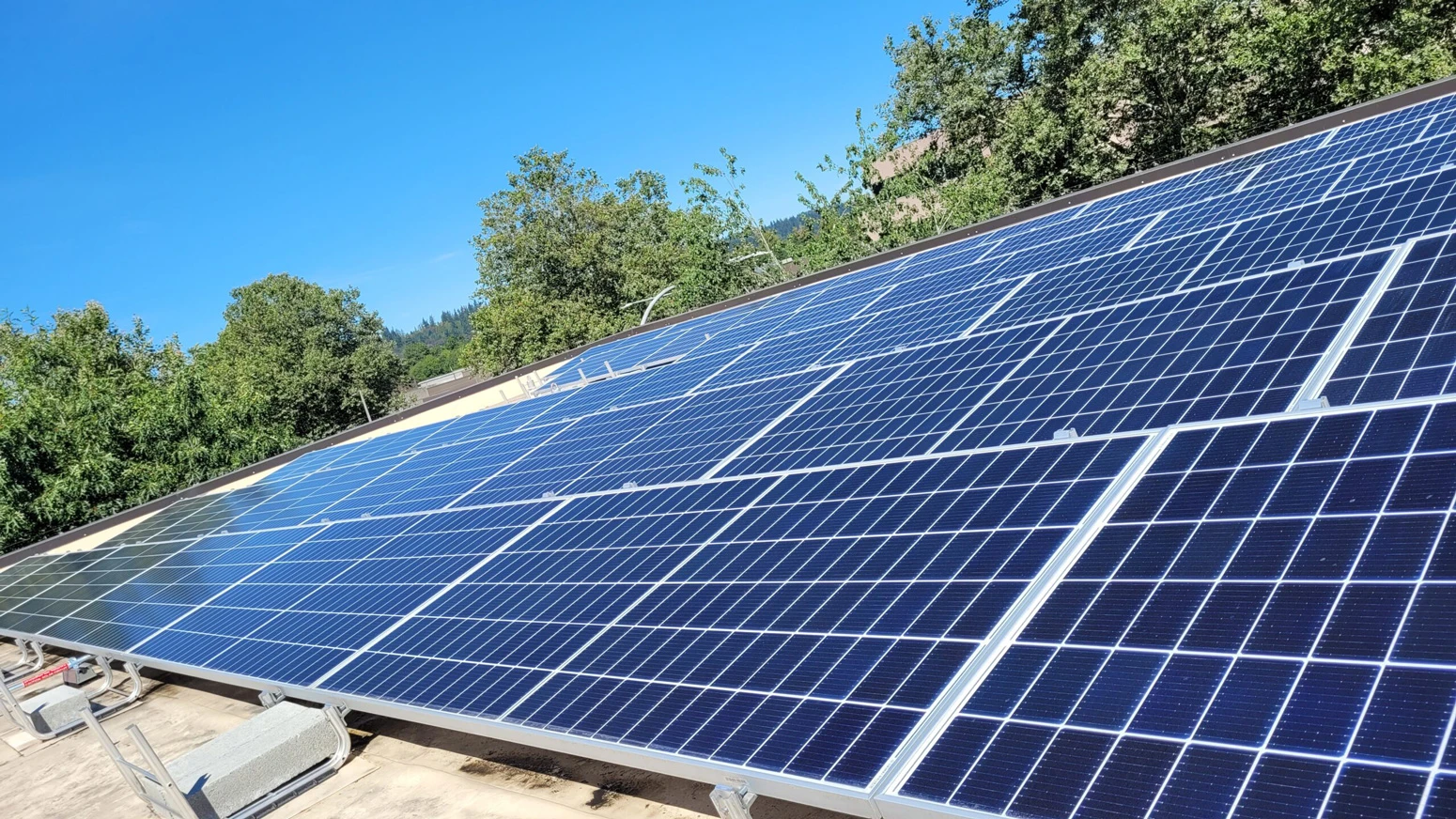
A Hybrid Plant for Chile’s Central Grid
ContourGlobal, a UK-based power generator owned by private-equity firm KKR, has begun construction of Los Maitenes, a hybrid renewable-energy plant in Chile’s O’Higgins region that combines large-scale solar generation with battery storage.
The project pairs 131 MWp of solar photovoltaic capacity with a 90 MW / 360 MWh battery energy storage system, and is expected to produce about 220 GWh of clean electricity a year. Completion is targeted for the end of 2027.
By placing the plant in O’Higgins, south of Santiago, ContourGlobal is siting generation close to one of Chile’s main centres of electricity demand rather than in the distant northern desert.
For foreign readers unfamiliar with Chile’s geography, the country’s grid is famously long and thin. Most of the historic solar build-out has happened in the Atacama Desert in the far north, where irradiation is among the highest on Earth but where transmission lines must carry power thousands of kilometres to the population centres around Santiago. Siting a plant in the central zone reduces those transmission constraints and the energy losses that come with them.
Solar by Day, Batteries by Night
The defining feature of Los Maitenes is that it is designed to supply power around the clock. Its output is backed by a long-term power purchase agreement covering both daytime and nighttime delivery, with any surplus sold into the merchant market.
The 360 MWh battery lets the plant store solar energy generated in the middle of the day and dispatch it after sunset, when demand peaks and solar output disappears. That capability is central to the project’s commercial model.
Chile has installed vast amounts of solar capacity, and midday oversupply has at times forced generators to curtail output. Pairing panels with storage is the industry’s answer, smoothing supply and capturing value that would otherwise be lost.
A power purchase agreement, or PPA, is a long-term contract between an electricity generator and a buyer—often a utility or a large industrial user—that guarantees a fixed price for the power over many years. Having a PPA that covers both day and night delivery is still relatively unusual and signals that the offtaker values round-the-clock clean supply enough to underwrite the battery investment.
Where Los Maitenes Fits in O’Higgins
The O’Higgins region, whose capital is Rancagua, sits in Chile’s agricultural and mining heartland immediately south of the capital. Its proximity to Santiago’s load centre is a strategic advantage for a plant built to deliver firm, dispatchable power.
ContourGlobal says construction will employ up to 400 people at peak across the solar plant, the battery system, an electrical substation and associated works, providing a temporary boost to the local economy.
For a region better known for farming and copper, a utility-scale renewable project signals the spread of Chile’s energy transition beyond the solar-rich north into the central grid.
The term “firm, dispatchable power” refers to electricity that can be called upon when needed, rather than only when the sun shines or the wind blows. That reliability is what grid operators prize most, and it is the main reason storage is being bolted onto solar farms across Latin America’s most advanced renewable market.
ContourGlobal’s Growing Chile Portfolio
Once Los Maitenes is complete, ContourGlobal’s Chilean portfolio will rise to roughly 583 MWp of solar photovoltaic capacity and 490 MW / 2.9 GWh of battery storage, more than 1 GW of combined generation and storage assets.
The company has been expanding aggressively in Chile, where it recently inaugurated what it described as Latin America’s longest-duration utility-scale battery system, with 6.5 hours of storage.
The strategy fits a wider industry shift toward hybrid plants that bundle cheap solar power with storage to offer utilities and large buyers reliable, low-carbon electricity.
KKR’s backing matters here. Large private-equity firms have been pouring capital into Chilean renewables precisely because the country offers a stable regulatory framework, strong solar resources, and a clear policy direction away from coal. That combination of factors makes long-term infrastructure bets easier to underwrite.
Why Storage Matters for Chile’s Energy Transition
Chile aims to decarbonise its power system and phase out coal, and batteries are increasingly seen as the missing link that makes a solar-heavy grid stable. Storage lets the country use more of the clean energy it already generates.
Long-duration systems like the one at Los Maitenes are particularly valuable because they can shift solar energy across the evening peak, reducing reliance on gas- or coal-fired backup.
If the model proves out, hybrid solar-plus-storage projects near demand centres could become the template for the next phase of Chile’s renewable build-out.
What to watch next is whether the merchant-market portion of the revenue stack holds up. When surplus power is sold on the spot market rather than through a fixed contract, prices can swing sharply. A sustained period of low daytime prices could test the economics of projects that depend partly on merchant sales. Another open question is how quickly Chile’s transmission infrastructure can absorb a wave of hybrid plants connecting in the central and southern grids, and whether permitting timelines keep pace with construction ambitions.
More: Chile news in English, every day from The Rio Times.
Frequently Asked Questions
Where is ContourGlobal building its new hybrid plant in Chile?
The Los Maitenes project is in Chile’s O’Higgins region, south of Santiago, close to one of the country’s main electricity-demand centres.
How big is the Los Maitenes solar-plus-storage plant?
It combines 131 MWp of solar PV with a 90 MW / 360 MWh battery system and is expected to generate about 220 GWh a year, with completion due by the end of 2027.
Why pair solar with batteries?
The battery stores midday solar output and releases it after sunset, letting the plant supply power day and night and avoid curtailment when solar generation exceeds demand.
Sources
Sources: Renewable Watch; Diario Financiero; ContourGlobal.
This article was produced by The Rio Times’ automated newsroom system. How we use AI · Report an error
Read More from The Rio Times