The Colombian State Owns 62 Companies. Here’s What They’re Worth
Colombia · Economy
Key Facts
- State portfolio The Colombian state controls 62 companies with a combined equity of COP 197.27 trillion (about US$62.5 billion), a finance-ministry report shows.
- Revenue dip Their 2025 operating revenues reached COP 174.8 trillion (about US$55 billion), down 4.5% from COP 182.9 trillion (about US$58 billion) in 2024.
- Still profitable Together they earned net profits of COP 19.5 trillion (about US$6.2 billion) in 2025; four of the 62 posted losses.
- Ecopetrol first The oil group Ecopetrol dominates, with equity of COP 83.7 trillion (about US$26.5 billion).
- Finance arm Grupo Bicentenario bundles 13 financial entities worth COP 27.98 trillion (about US$8.9 billion), including the FDN, FNG and Banco Agrario.
- Wide reach The holdings span energy, finance, infrastructure, transport, insurance and utilities.
A finance-ministry tally lays bare how much of Colombia’s economy the state still owns — and how much rides on one oil company.
If you want to understand who really runs Colombia’s economy, start with the Colombia state companies the government owns outright. A new Ministry of Finance report, reported by La República on August 10, 2026, counts 62 of them, worth a combined COP 197.27 trillion (about US$62.5 billion) in equity. That is a big footprint for a market economy — and it lands just as a new, market-leaning government decides what to do with it.
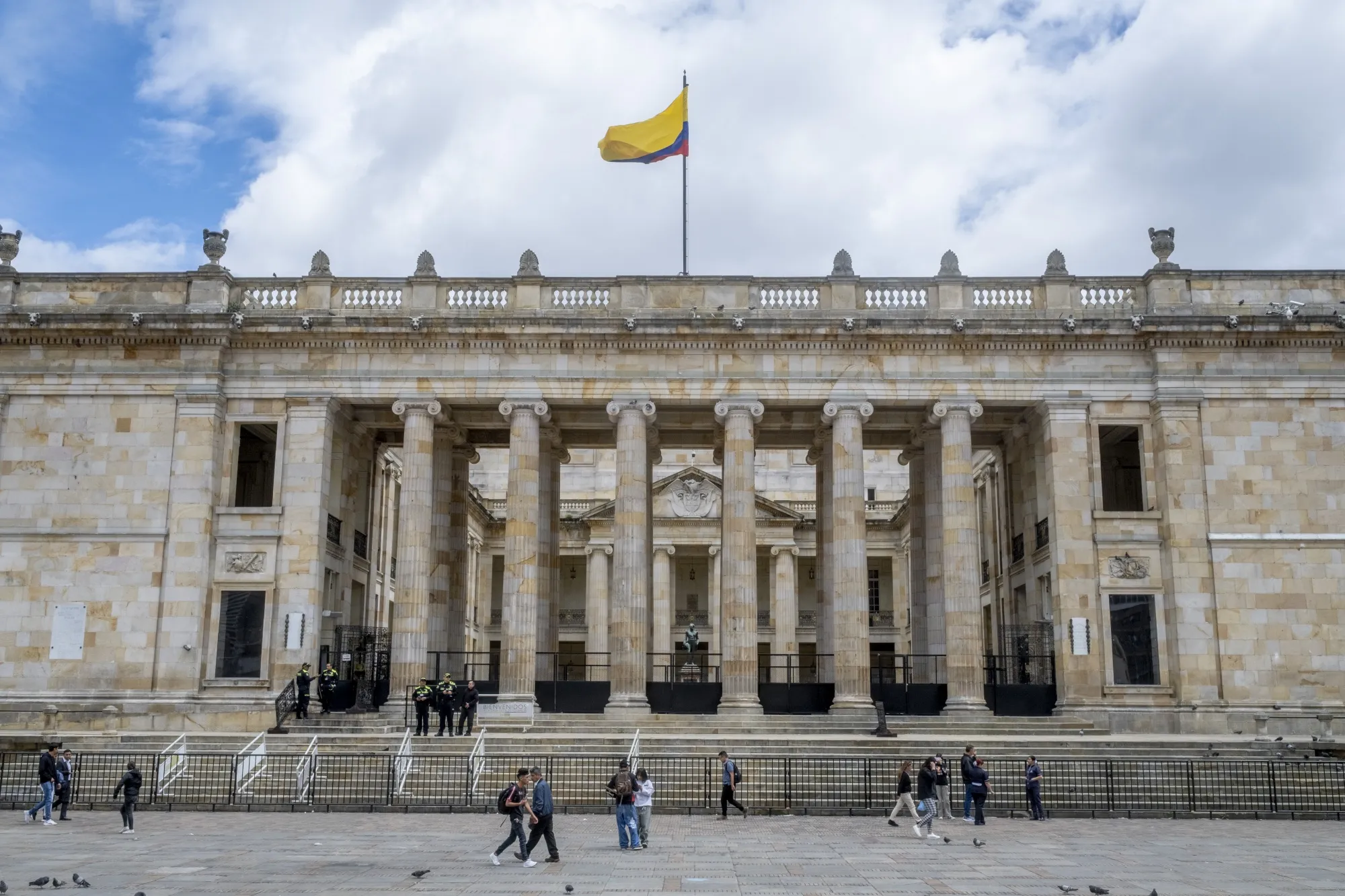
What the Colombia state companies portfolio holds
The list runs across the economy: energy, finance, infrastructure, transport, insurance and utilities. But it is not evenly spread. As the analyst Francisco Miranda, of Orza, put it, the portfolio is “profoundly concentrated” — varied on paper, but dominated by one name.
That name is Ecopetrol, with equity of COP 83.7 trillion (about US$26.5 billion). Two of its own subsidiaries come next: ISA, the power-transmission and infrastructure group, at COP 28.3 trillion (about US$9 billion), and Reficar, the refiner, at COP 23.37 trillion (about US$7.4 billion). Add them up and the oil complex alone accounts for most of the portfolio’s value. After that comes Grupo Bicentenario, which groups 13 state financial entities worth COP 27.98 trillion (about US$8.9 billion) together — among them the FDN development bank, the FNG guarantee fund and Banco Agrario. Within that group the FDN is the largest, at COP 9.94 trillion (about US$3.1 billion), ahead of the FNG at COP 3.87 trillion (about US$1.2 billion) and Banco Agrario at COP 3.48 trillion (about US$1.1 billion). Further down sit household names like Icetex, the student-loan agency, Colpensiones, the public pension manager, the arms maker Indumil, and a string of regional electricity firms. Between them, these companies keep the lights on, lend to farmers, back mortgages and pay pensions — which is why the state has been reluctant to let go.
The numbers behind the balance sheet
The portfolio is still making money, but momentum has slipped. In 2025, the 62 companies pulled in operating revenues of COP 174.8 trillion (about US$55 billion), down 4.5% from COP 182.9 trillion (about US$58 billion) a year earlier. Net profits came to COP 19.5 trillion (about US$6.2 billion). Four firms lost money.
The revenue drop is not trivial. Miranda linked it to the difficulties facing several sectors at once, and because the portfolio leans so heavily on Ecopetrol, the state’s corporate income rises and falls with oil. When crude is strong, the dividends flow; when it is not, the whole balance sheet feels it. That concentration is the single most important fact about these holdings — and it means the fortunes of 62 companies, and a chunk of the national budget, hang on one commodity and one firm.
Why this matters for investors and the region
This is not an academic tally. Ecopetrol is the crown jewel, and its dividends are a major source of revenue for the national budget. So the health of these companies is not just a corporate story — it is a public-finance story. When their profits shrink, the government has less to spend, which matters at a time when Colombia is wrestling with a wide fiscal deficit.
It also arrives at a hinge moment. President Abelardo de la Espriella, inaugurated on August 7, 2026, leads a market-leaning government that is rethinking the state’s role after the statist Petro years — on fracking, on Ecopetrol’s direction, and on how actively the state should own and run companies. For anyone invested in Colombia, or in the region’s energy and infrastructure names, the direction of this debate is worth following: it will shape dividend policy, investment plans and the balance between public and private hands.
More: Colombia news in English, every day from The Rio Times.
Frequently Asked Questions
How many companies does the Colombian state control, and what are they worth?
According to a Ministry of Finance report reported in August 2026, the state controls 62 companies with a combined equity of COP 197.27 trillion, about US$62.5 billion. They span energy, finance, infrastructure, transport, insurance and utilities.
Which state company is the biggest?
Ecopetrol, the oil group, is by far the largest, with equity of about COP 83.7 trillion, roughly US$26.5 billion. Its subsidiaries ISA and Reficar rank next, so the oil complex accounts for most of the portfolio value.
Why does this matter for Colombia’s budget?
Ecopetrol’s dividends are a major source of revenue for the national government. When the state companies earn less, the budget has less to work with, which is significant while Colombia manages a wide fiscal deficit.
Connected Coverage
Sources: La República (“De incluir a gobernar”); Colombia’s Ministry of Finance and Public Credit; Orza.
This article was produced by The Rio Times’ automated newsroom system. How we use AI · Report an error
Read More from The Rio Times