ISA Profit Climbs 9% in First Half as Moody’s Cuts Its Rating to Baa3
Colombia’s ISA lifted first-half 2026 net profit 9% to COP$1.3 trillion (about US$320 million), only for Moody’s Ratings to cut its issuer rating to Baa3 with a negative outlook, a decision driven by parent Ecopetrol rather than by ISA.
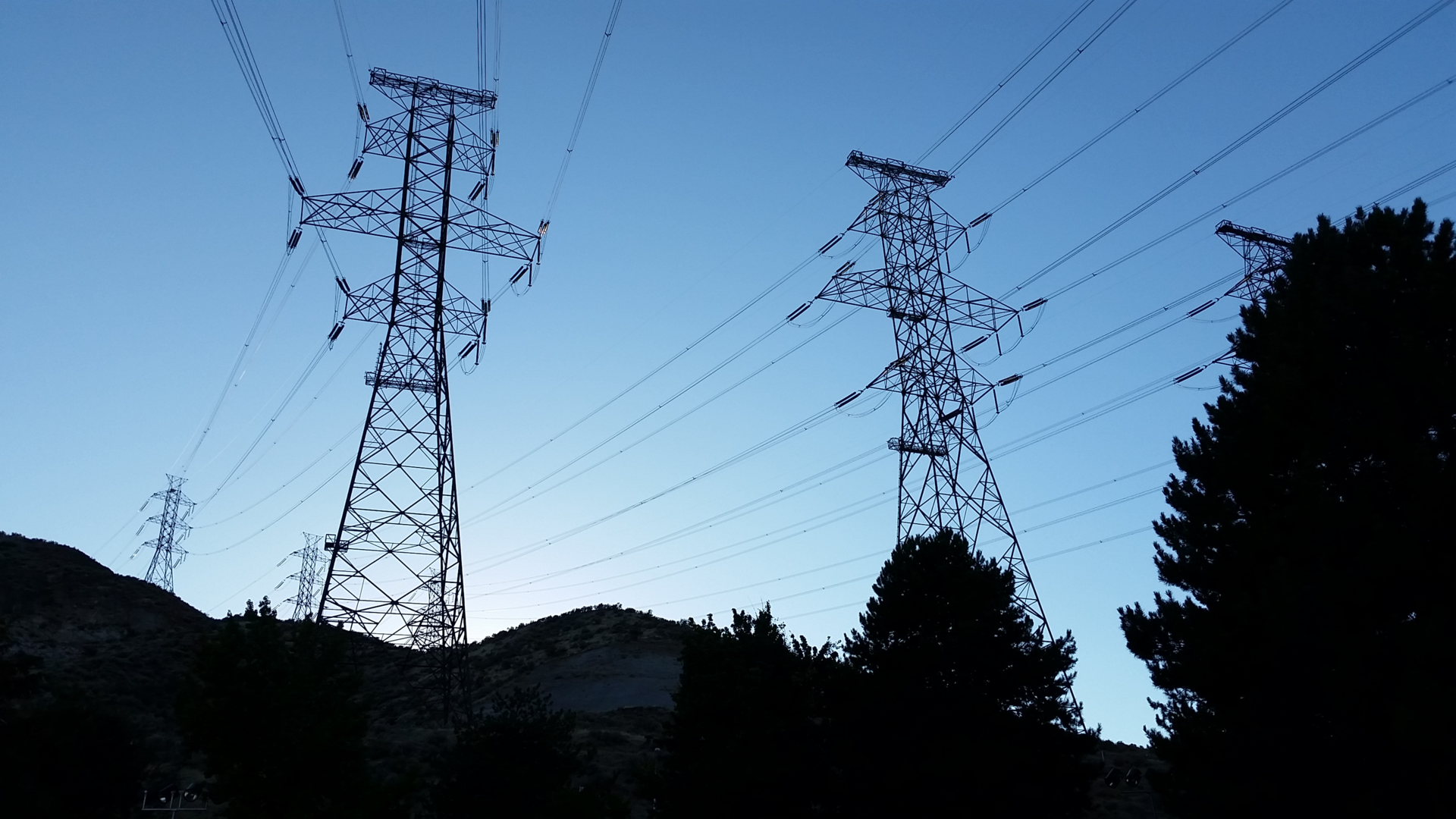
ISA Posts Strong Half-Year Results and a Weaker Rating
Interconexión Eléctrica S.A., the Andean power-transmission group known as ISA, closed the first six months of 2026 with net profit of COP$1.3 trillion (about US$320 million), 9% higher than in the same period a year earlier. EBITDA reached COP$4.9 trillion (about US$1.21 billion), an increase of 20%. Operating income came to COP$8.6 trillion (about US$2.12 billion), up 17% year on year. All three headline measures moved in the same direction.
Set against that scorecard is a credit decision pointing the other way. Moody’s Ratings lowered ISA’s long-term issuer ratings to Baa3 from Baa2 and moved the outlook to negative from ‘under review’. The action concluded a review the agency had opened on 24 April 2026. On the Moody’s scale, Baa3 is the last rung of investment grade.
The apparent contradiction dissolves once ownership is taken into account. Moody’s stated that the downgrade does not reflect a deterioration in ISA’s own performance. The trigger sat one level up the ownership chain, at Ecopetrol, the state-controlled oil company that holds 51.4% of ISA and was itself downgraded. In short, ISA was marked down for whose subsidiary it is, not for what it earned.
The First-Half Numbers in Detail
Operating income of COP$8.6 trillion (about US$2.12 billion) is the top line of the half, and it grew 17% against the first six months of 2025. EBITDA of COP$4.9 trillion (about US$1.21 billion) rose faster, at 20%. Because EBITDA expanded more quickly than revenue, the operating margin widened rather than merely holding. On the reported figures, EBITDA was equivalent to roughly 57% of operating income.
Net profit tells a slightly different story. At COP$1.3 trillion (about US$320 million), it advanced 9%, less than half the rate of EBITDA growth. Gaps of that kind usually originate below the operating line, in financing costs, depreciation, taxes or the share of earnings attributable to minority shareholders. The headline figures reported for the half do not isolate which of those weighed most.
The dollar equivalents quoted here are conversions at about 4,050 pesos to the dollar in August 2026 and will shift with the currency. That distinction matters for a group that reports in pesos but whose bondholders and rating agencies assess it in hard currency. It also affects comparisons with regional peers that publish results in dollars.
Why Moody’s Cut the Rating Anyway
The downgrade was a single notch, from Baa2 to Baa3, applied to ISA’s long-term issuer ratings. Alongside it, the outlook moved from under review to negative, which by the agency’s convention signals that a further cut is possible if the drivers persist. The review that produced the decision had been running since 24 April 2026.
Moody’s was unusually direct about the cause, saying the downgrade does not reflect deterioration in ISA’s performance but rather the impact of the downgrade of Ecopetrol. That framing separates the company’s operating record, which improved across the half, from its credit standing, which did not. Rating agencies generally treat majority-owned subsidiaries of weaker parents as constrained rather than independent. Where a controlling shareholder can direct financial policy, the subsidiary’s rating is often held at or near the parent’s level regardless of standalone metrics. ISA’s case is a clear illustration of that mechanism at work in a Latin American utility.
The Ecopetrol Ownership Link
Ecopetrol owns 51.4% of ISA, a majority holding that confers control rather than mere influence. A shareholder with more than half the votes is normally in a position to shape decisions that require a shareholder majority, including the distribution of profits. That is the channel through which a parent’s financial pressures can reach a subsidiary’s balance sheet.
For credit purposes, the link is asymmetric. ISA’s cash generation widens Ecopetrol’s options, while Ecopetrol’s difficulties narrow ISA’s. Holders of ISA paper therefore end up underwriting a parent they did not choose and cannot control. The Moody’s decision converts that structural reality into a formal rating constraint.
None of this alters the physical business. Transmission assets earn revenue under regulated frameworks and long-lived concessions, which is why the half-year figures improved even as the rating fell. The distinction between asset quality and ownership risk is the single most useful point for readers trying to reconcile the two announcements.
The Fuel Price Stabilization Fund and Ecopetrol’s Squeeze
Moody’s pointed to a specific mechanism: Colombia’s Fuel Price Stabilization Fund, known by its Spanish initials FEPC. The fund is the instrument through which the state cushions domestic fuel prices against swings in international markets. When regulated local prices sit below the international reference, an obligation accumulates in favour of the producer, to be settled by the government later. The amounts involved are therefore a timing question as much as a pricing one.
The agency cited the extension of FEPC payments into 2026 as the source of strain, warning that it creates liquidity pressure at Ecopetrol and could push the company to take on more debt. Delayed settlement leaves the oil group carrying a claim it cannot spend, even where the amount itself is not in dispute. For ISA shareholders the relevance is indirect but real. A parent short of cash has fewer ways to fund its own commitments, and the options it does have tend to involve the assets it controls. A fuel-pricing arrangement thus ends up on a power-transmission company’s rating page.
The Dividend Question
Moody’s set out the transmission channel explicitly. The scenario it describes ‘will probably force [Ecopetrol] to create incentives to extract greater dividends from its subsidiaries, like ISA’. The wording is conditional, but it identifies dividends as the most likely route from parent stress to subsidiary cash.
Larger distributions are not automatically damaging, and a profitable year can support them. The concern for creditors is the alternative use of the money. Transmission is capital-intensive, and cash paid out is cash unavailable for network investment or for reducing leverage. Sustained above-trend payouts can weaken a balance sheet that still looks healthy on the income statement.
It is worth stressing what has and has not happened. Moody’s described a risk, not a decision that has been taken. Investors will look to actual dividend proposals and payment schedules for evidence either way.
What Baa3 and a Negative Outlook Mean in Practice
Baa3 is the lowest investment-grade rating on the Moody’s scale, one notch above speculative grade. A negative outlook indicates the agency sees a realistic chance of a further downgrade if the conditions behind the action persist. Together, the two make the next rating decision consequential in a way that a mid-range investment-grade rating would not.
The practical consequences are mostly about funding. Issuers close to the investment-grade boundary generally pay more for new debt, because part of the buyer base operates under mandates that distinguish sharply between investment grade and high yield. Pricing on outstanding bonds can move as well, even when nothing in the operating business has changed. There is a counterweight, however: ISA remains rated investment grade, and the agency has attributed the action to the parent rather than to the subsidiary’s results. Should Ecopetrol’s position improve, the same linkage that pulled ISA down can work in reverse.
What to Watch Next
The first variable is the pace at which the government settles FEPC obligations. Faster payments would relieve the liquidity pressure Moody’s identified and reduce any incentive to lean on subsidiaries. A further extension would do the opposite.
The second is Ecopetrol’s own rating trajectory, because ISA’s standing is now visibly tied to it. The third is ISA’s dividend behaviour over the coming distribution cycles, which will show whether the extraction risk described by the agency is materialising. A fourth is whether the 20% EBITDA growth recorded in the first half carries into the second.
The wider lesson extends beyond one company. Colombian corporates with state-linked parents are exposed to decisions taken outside their own boardrooms, whatever their operating discipline. Read together, ISA’s half-year results and its downgrade are a reminder that in this market ownership can be a credit factor in its own right.
More: Colombia news in English, every day from The Rio Times.
Frequently Asked Questions
How much did ISA earn in the first half of 2026?
ISA reported net profit of COP$1.3 trillion (about US$320 million) for the first six months of 2026, 9% higher than in the same period of 2025. EBITDA came to COP$4.9 trillion (about US$1.21 billion), up 20% year on year. Operating income reached COP$8.6 trillion (about US$2.12 billion), an increase of 17%. Dollar equivalents are conversions at about 4,050 pesos to the dollar.
Why did Moody’s downgrade ISA if its results improved?
Moody’s said explicitly that the downgrade does not reflect a deterioration in ISA’s own performance. The action followed the downgrade of Ecopetrol, which owns 51.4% of ISA and can therefore shape its financial decisions. Rating agencies commonly cap the rating of a majority-owned subsidiary at or near the level of its parent. The result is that ISA’s credit standing moved with its owner rather than with its earnings.
What is the FEPC and how does it affect ISA?
The FEPC is Colombia’s Fuel Price Stabilization Fund, the mechanism used to cushion domestic fuel prices against international price swings. Moody’s cited the extension of FEPC payments into 2026 as a source of liquidity strain at Ecopetrol that could push the company to take on more debt. The agency warned that such a scenario will probably lead Ecopetrol to seek larger dividends from subsidiaries such as ISA. That potential cash drain, rather than anything in the transmission business, is the link to ISA.
What does a Baa3 rating with a negative outlook mean?
Baa3 is the lowest investment-grade rung on the Moody’s scale, one notch above speculative grade. A negative outlook signals that the agency considers a further downgrade possible if the underlying pressures continue. In practice, issuers near that boundary generally face higher costs on new debt because some investors are restricted to investment-grade paper. ISA nevertheless remains within investment grade, and the agency tied the action to its parent rather than to its own results.
Sources: ISA, Moody’s, Valora Analítik.
This article was produced by The Rio Times’ automated newsroom system. How we use AI · Report an error
Read More from The Rio Times