
COLOMBIA · INFLATION
Key Facts
- Forecast Inflation to end 2026 at 7.1%, up from 6.9%, and 2027 at 4.8%.
- Growth 2026 growth cut to 2.0% from 2.5%; 2027 growth seen at 1.7%.
- Interest rate 12.25%, held on 30 October by a 4 to 3 board vote.
- Target 3% inflation, which the Banco de la República sees nearing only in 2028.
- Published Wednesday, 4 November 2026, by Colombia’s central bank, the Banco de la República.
- Power Index Colombia ranks 6th of 14 in The Rio Times Latin America Power Index, with 51.1 points (November 2026 edition).
The Colombia inflation forecast from its central bank now stands at 7.1% for 2026, up from 6.9% in the previous estimate. The Banco de la República, the independent bank that sets Colombia’s interest rates, published the new figure on Wednesday, 4 November 2026.
The bank also cut its 2026 growth forecast to 2.0% from 2.5%, so prices are rising faster while the economy slows. For US investors, travelers and exporters, that mix shapes the peso, borrowing costs and prices in a major Latin American partner.
The New Colombia Inflation Forecast in Numbers
The bank’s staff expects inflation to end 2026 at 7.1% and 2027 at 4.8%. Both figures sit far above the official target of 3%.
The 2027 estimate was also raised from the earlier forecast. The bank expects inflation to move back toward its 3% target only in 2028.
Growth forecasts went the other way, with 2.0% for 2026 and 1.7% for 2027, down from 2.5% and 1.9%. The economy grew 3.4% in the second quarter from a year earlier, and the board says growth likely slowed in the third.
Annual inflation reached 6.3% in September, the bank said. Core inflation, which strips out food and regulated prices, eased to 6.0% from 6.1% in August.
Why Prices Keep Rising
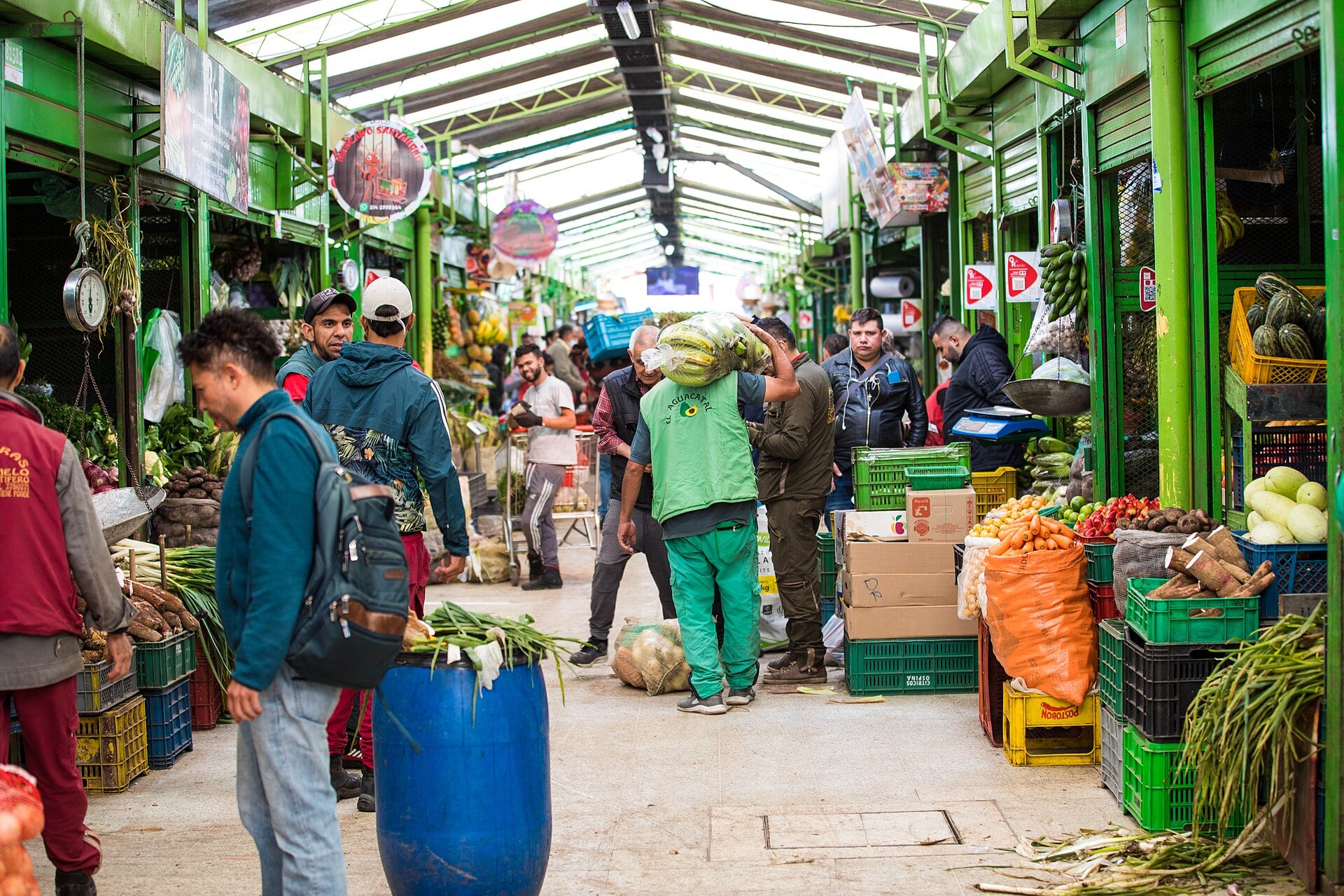
The bank names four causes. High labor costs, spending above what the economy can produce, El Niño effects on food, and prices indexed to past inflation all push upward.
El Niño is a periodic warming of Pacific Ocean waters that disrupts rainfall and farm output. The bank says low rainfall is already hurting food production in Colombia.
The bank also points to the Middle East conflict, which raises prices and costs for imported goods. A stronger peso has helped hold some of that pressure back.
Where Interest Rates Stand
The policy rate, the benchmark that sets borrowing costs across Colombia, stands at 12.25%. The board raised it by 0.25 points in September and held it on Friday, 30 October 2026.
The vote was 4 to 3, with three directors wanting another quarter-point increase, as we covered in our report on the rate decision. The board said its stance stays restrictive, meaning rates remain high enough to slow spending.
The report says policy should stay restrictive so inflation heads toward the target. The board says its next moves depend on new data on prices, activity and risks.
In Plain English, Who Is Who
The Banco de la República is Colombia’s central bank, run by a seven-member board that votes on interest rates. Its technical staff writes the forecasts in the quarterly Monetary Policy Report.
Regulated prices are those set or shaped by public rules, such as some utility fares. Headline inflation is the 12-month rise in the whole basket of goods and services consumers buy.
What It Means for You
Colombia is a major US partner on trade, migration and security, and its peso and bonds react to inflation and rate news. Rates that stay high support the peso but squeeze Colombian households and firms, as shown in our September inflation report.
Investors in New York-listed Colombian companies such as Bancolombia and Ecopetrol face a slower economy and costly credit at home. Travelers and expats should expect food and restaurant prices to keep rising, with El Niño pressure on produce.
Exporters selling to Colombia may find customers cautious, because growth is forecast to slow to 2.0%. The relationship is explained further in our guide to Colombia and the United States.
What Is Not Known
The bank has not said when it expects its next rate move, and three of seven directors already voted for a hike. October inflation data from the national statistics agency will be the next test.
It is also unclear how an economic rescue bill filed in Congress on Thursday, 29 October 2026 will affect public finances. The board said it needs to study the bill carefully.
More: Latin America news in English, every day from The Rio Times.
Frequently Asked Questions
What is Colombia’s inflation forecast for 2026?
The central bank expects 7.1% by December, up from 6.9% in its earlier forecast. For 2027 it expects 4.8%, still above the 3% target.
What is Colombia’s interest rate now?
The policy rate is 12.25%, in effect since 1 October 2026. The board held it on 30 October by a 4 to 3 vote.
Why is inflation rising in Colombia?
The bank cites high labor costs, strong spending, El Niño effects on food and costlier imports. Services priced off past inflation also carry old increases forward.
When will inflation return to the 3% target?
The bank expects inflation to move back toward 3% only in 2028. Until then it plans to keep policy restrictive.
Sources: Banco de la República, Monetary Policy Report, October 2026, published 4 November 2026; Banco de la República, Board of Directors statement, 30 October 2026.
This article was produced by The Rio Times’ automated newsroom system. How we use AI · Report an error · Editorial responsibility: Matthias Camenzind, Editor-in-Chief
In depth