
COLOMBIA · PEOPLE AND CULTURE
Key Facts
- —The basics Colombia people number about 53 million, the latest official estimate as of October 2026, and most are Spanish speakers living in cities from the Andes to the Caribbean coast.
- —Why it matters Regional identity, family and courtesy shape daily life more than ethnicity, so US visitors who greet people properly find doors open in Bogotá, Medellín and Cartagena.
- —The numbers The 2018 census found 77.04% of residents in municipal seats, 1,905,617 Indigenous people and 2,982,224 Black, Afro-Colombian, Raizal or Palenquero people, with 3.08 people per household.
- —Who is who Paisas from Antioquia, costeños from the Caribbean coast, rolos from Bogotá, caleños from Cali and llaneros from the eastern plains are the regional identities Colombians use every day.
- —What to watch The legal working week fell to 42 hours in July 2026, and the December holiday season leads straight into the Barranquilla Carnival before Lent.
- —Power Index Colombia ranks 6th of 14 in The Rio Times Latin America Power Index, with 51.9 points (October 2026 edition).
- —What it means for you US citizens need no visa for stays of up to 90 days, must file the free Check-MIG form before flying, and face a Level 3 “Reconsider travel” US advisory issued on 31 March 2026.
Who Colombians are, how they live and how their regions differ. What US visitors should know before they arrive.
Colombia people are mostly city dwellers of mixed descent who speak Spanish and identify strongly with their home region. The statistics office DANE estimates the population at about 53 million in 2025, roughly the combined population of California, Oregon and Washington.
For US visitors, those regional loyalties, family ties and polite habits shape almost every encounter. Knowing them makes a trip to Bogotá, Medellín or the Caribbean coast easier and safer.
Who Colombia People Are Today
DANE, the National Administrative Department of Statistics, ran the last census in 2018. It counted 44,164,417 people in person and later estimated the full population at 48,258,494.
A technical note DANE published in July 2025 puts the population at about 53 million in 2025. Growth has slowed as families have fewer children and the country ages.
Colombia is an urban country. The 2018 census found 77.04% of residents in municipal seats, 7.08% in villages and 15.88% in scattered rural homes.
Bogotá alone accounted for 7,181,469 of the people counted in 2018, or about one in six. The census also found an average of 3.08 people per household.
Most Colombians describe themselves as mestizo, of mixed European and Indigenous descent, though the census asks only about ethnic minorities. In 2018, 1,905,617 people identified as Indigenous and 2,982,224 as Black, Afro-Colombian, Raizal or Palenquero.
Raizales are the English-Creole-speaking islanders of San Andrés, and Palenqueros descend from a free Black settlement near Cartagena. The census counted only 2,649 Roma, known in Colombia as Rrom.
Spanish is the official language and the language of daily life. The full ethnic picture, including Venezuelan migration, is set out in the Rio Times guide to Colombia’s population and ethnic groups.
Regional Identities, From Paisas to Costeños
Ask Colombians where they are from and the answer is usually a region, not a nationality. Three mountain ranges, two coasts and vast eastern plains kept communities apart for centuries.
Paisas, from Antioquia and the coffee belt, have a reputation for enterprise, family pride and hospitality. Medellín, their capital, is known for its metro, cable cars and hillside neighbourhoods.
Rolos, or Bogotanos, live in a cool, rainy capital high in the Andes. They are often seen as formal and reserved, and many use the polite usted even with friends.
Costeños, from the Caribbean coast around Barranquilla, Cartagena and Santa Marta, are known for warmth, music and outdoor life. Their Spanish is faster and drops many final consonants.
Caleños, from Cali in the south-west, live in a city where salsa clubs and dance schools shape the nightlife. The Pacific coast nearby is mostly Afro-Colombian, with its own marimba music and cooking.
Llaneros, from the eastern plains, are cattle people with a horseback culture and their own harp music. UNESCO listed their Colombian-Venezuelan work songs for urgent safeguarding in 2017.

Family, Greetings and Everyday Manners
Family is the centre of Colombian life, and adult children often live with their parents until they marry. Sunday lunch with grandparents, aunts and cousins is a fixed ritual in many homes.
Greetings matter more than in the United States. People say buenos días before any request, and skipping it in a shop or taxi comes across as rude.
Men usually shake hands, while women often greet friends with a single kiss on the right cheek. Titles such as doctor or don and doña are used as marks of respect.
Colombians tend to avoid a blunt “no” and soften refusals with “maybe” or “let’s see”. Social events start late, though business meetings, flights and tours generally keep to time.
Catholic tradition still marks the calendar, with saints’ days, Holy Week and Christmas novenas observed by many families. The 1991 constitution guarantees freedom of worship for all faiths.
Holy Week processions in Popayán are on UNESCO’s intangible heritage list, inscribed in 2009. Many public holidays fall on Mondays, creating long weekends that Colombians call puentes, or bridges.
Daily Life, Work and the Estrato System
The working day often starts early, with traffic building before 7 a.m. in Bogotá and Medellín. Lunch is the main meal, and many workers eat a set menú del día near the office.
Law 2101 of 2021 cut the legal working week step by step from 48 hours. It reached 42 hours in July 2026, after a phase-in that began in 2023.
Class is visible through the estrato system, a ranking of homes from 1 to 6 under Law 142 of 1994. DANE explains that it exists to set utility bills by neighbourhood.
Homes in strata 1, 2 and 3 receive subsidies on water, power and gas. Strata 5 and 6 pay a surcharge, while stratum 4 pays the plain cost.
Colombians often use the number as shorthand for social class, and it shapes where people live, study and socialise. Foreigners renting in Bogotá or Medellín will see the stratum on every listing and utility bill.
Life outside the cities is very different, with longer distances to schools, clinics and jobs. The 2018 census found nearly 23% of residents living in villages or scattered rural homes.
Food, Music, Festivals and Football
Breakfast is often an arepa, a corn cake, with eggs, cheese and a small black coffee called tinto. Regional dishes include ajiaco chicken soup in Bogotá and the heavy bandeja paisa platter in Antioquia.
On the coast, fried fish comes with coconut rice and fried green plantain called patacones. Fresh fruit juices and street snacks such as empanadas are part of every city’s routine.
Music is everywhere, from cumbia and vallenato on the coast to salsa in Cali and reggaeton in Medellín. UNESCO added traditional vallenato music to its urgent safeguarding list in 2015.
The Carnival of Barranquilla, inscribed by UNESCO in 2008, is the country’s best-known party. The Carnaval de Negros y Blancos in Pasto followed on the list in 2009.
UNESCO also lists the cultural space of Palenque de San Basilio and the Wayuu system of conflict mediation. The Rio Times guide to Colombia culture profiles the artists behind these traditions.
Football is the national passion, and the national team unites a divided country on match days. Club rivalries between Bogotá, Medellín, Cali and Barranquilla fill bars and living rooms every weekend.
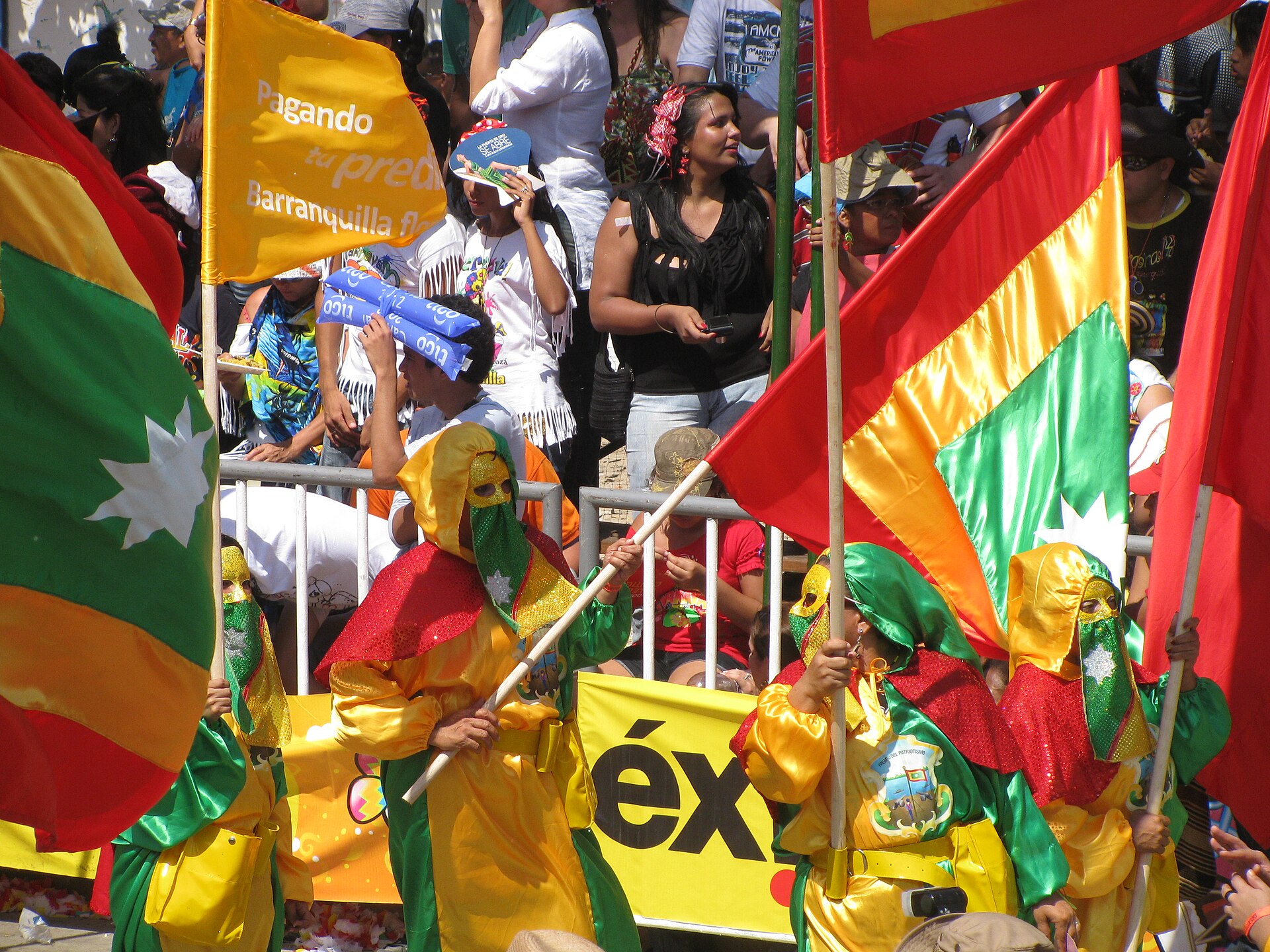
Bogotá, Medellín and the Caribbean Coast for Visitors
Bogotá is a large, cool capital where layers and a rain jacket are useful all year. Some visitors feel the altitude for a day or two, so take it slowly at first.
The historic centre, La Candelaria, is full of museums, universities and colonial houses. The Rio Times Bogotá city guide covers neighbourhoods, transport and costs for newcomers.
Medellín has a spring-like climate and a large community of foreign remote workers. The Rio Times Medellín city guide explains where foreigners live and how to get around.
The Caribbean coast is hot, relaxed and louder, with music on the street until late. The Rio Times Cartagena city guide covers the walled city and nearby beaches.
Locals warn visitors with the phrase no dar papaya, meaning do not make yourself an easy target. Keep phones out of sight on the street and order taxis through an app.
Dress codes are more formal in Bogotá than on the coast, especially for offices and churches. Ask before photographing people, particularly in Indigenous and Afro-Colombian communities.
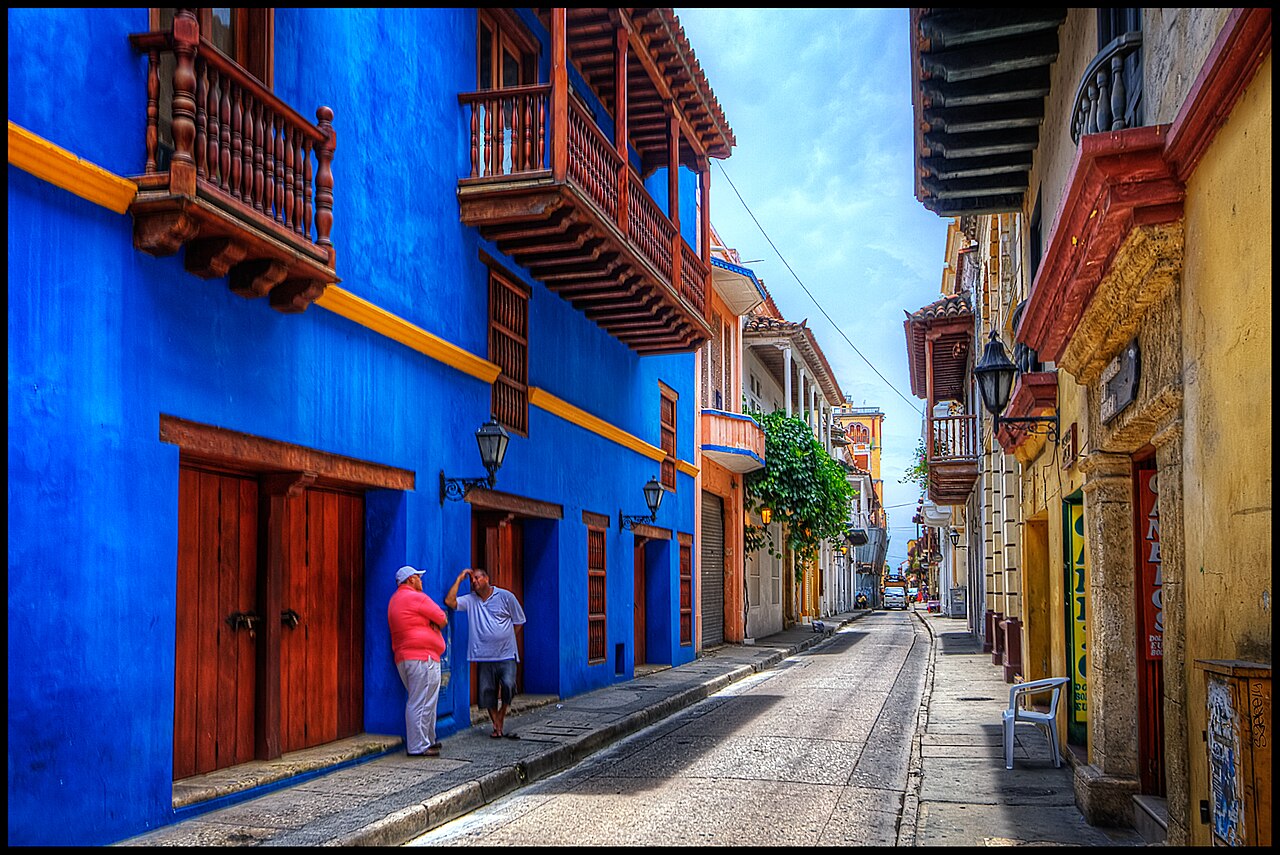
What It Means for US Readers
The US State Department says US citizens need no visa for stays of 90 days or less. Visits are capped at 180 days per calendar year, and Migración Colombia can extend a first stay.
Travellers must complete the free Check-MIG form online shortly before their flight. Cash above US$10,000 must be declared on entry or exit.
The State Department’s advisory, issued on Tuesday, 31 March 2026, is Level 3, reconsider travel. Level 3 is the second-highest of four levels, one step below do not travel.
Courtesy goes a long way with Colombia people, who are generally warm toward foreigners. Greet first, use usted with older people and strangers, and thank people for small favours.
For investors, the regional map matters as much as the cultural one. The Rio Times guide to who runs the Colombia economy sets out the main companies and groups.
The Rio Times profile of famous Colombians shows how artists and athletes carry these regional identities abroad. Current news is on the Rio Times Colombia hub.
What Is Not Known
The census does not ask Colombians whether they are mestizo or white, so the size of the majority is not officially known. Counts of minorities are also disputed.
DANE’s 2018 quality-of-life survey estimated 4,671,160 Black, Afro-Colombian, Raizal and Palenquero people, far above the census count. Community groups argue the census missed many of them.
There is no official census of religion, so shares of Catholics, evangelicals and non-believers rest on private surveys. When DANE will run its next full census could not be confirmed for this article.
Frequently Asked Questions
How many people live in Colombia?
The statistics office DANE estimates about 53 million people in 2025. The 2018 census counted 44,164,417 people in person and estimated the total at 48,258,494.
What ethnicity are most Colombia people?
Most Colombians are mestizo, of mixed European and Indigenous descent, though the census does not measure this group. In 2018, 1,905,617 people identified as Indigenous and 2,982,224 as Black, Afro-Colombian, Raizal or Palenquero.
What are paisas and costeños?
Paisas are people from Antioquia and the coffee region, with Medellín as their main city. Costeños are people from the Caribbean coast, including Barranquilla, Cartagena and Santa Marta.
How do Colombians greet each other?
People say good morning or good afternoon before any request, and men usually shake hands. Women often greet friends with a single kiss on the right cheek.
What is an estrato in Colombia?
An estrato is a ranking of homes from 1 to 6 used to set utility bills. Strata 1 to 3 receive subsidies, while strata 5 and 6 pay a surcharge.
Do US citizens need a visa for Colombia?
No visa is needed for tourist stays of 90 days or less, up to 180 days per calendar year. Travellers must fill in the free Check-MIG form online before their flight.
Sources: DANE, Censo Nacional de Población y Vivienda 2018; DANE, Pertenencia étnica, June 2021; DANE, Población NARP; DANE, Nota técnica proyecciones de población, July 2025; DANE, Estratificación socioeconómica; Senate of Colombia, Law 2101 of 2021; UNESCO, Colombia intangible heritage elements; US State Department, Colombia country information (all accessed 14 October 2026).
This article was produced by The Rio Times’ automated newsroom system. How we use AI · Report an error · Editorial responsibility: Matthias Camenzind, Editor-in-Chief
Expat Guide to Colombia
What The Rio Times publishes for foreigners who live in or move to Colombia.
Start here
- Colombia SIM Card and Internet for Foreigners in 2026
- Colombia Rent Increase Limit Is 5.10% in 2026
- Bancolombia Explained, Colombia's Largest Bank in 2026
- Cost of Living in Colombia for Expats in 2026: Rent, Transport and Health in Five Cities
City guides
Medellín, Bogotá, Cartagena, Cali
Coming up in Colombia
- JetBlue Cali Flights From Fort Lauderdale Start 15 October 15 Oct
- Bad Gyal Bogotá Concert Brings Más Cara Tour to Colombia on 18 October 18 Oct
- Fonseca El Campín Concert Set for 24 October 2026 in Colombia 24 Oct
- Ryan Castro El Campín Halloween Show Set for 31 October in Colombia 31 Oct
Understand Colombia