Colombia’s Gas Terminal Opens Before Its Ship Arrives
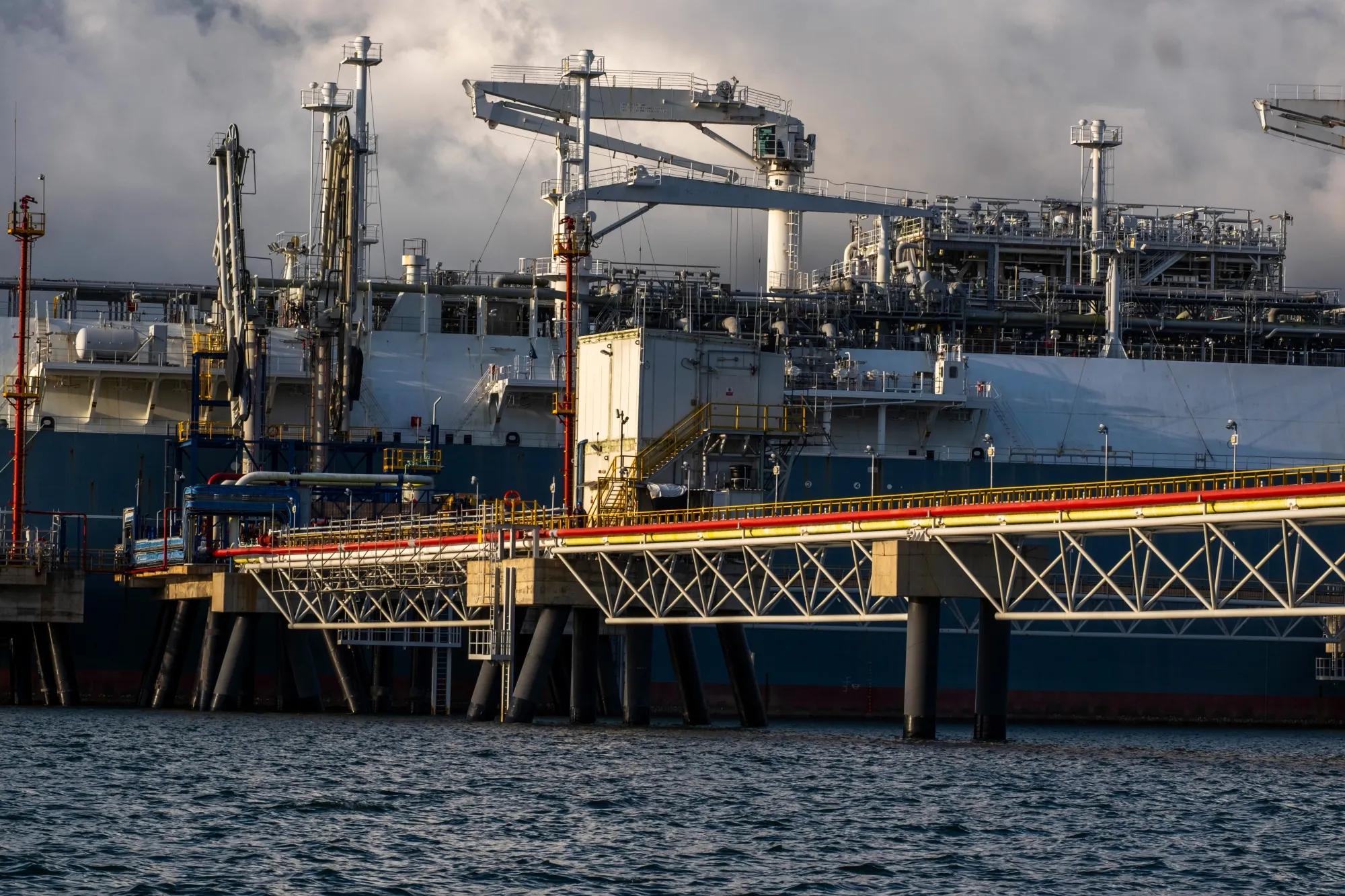
Colombia · ENERGY
Key Facts
- —What happened Colombia’s key new gas import terminal at Puerto Bahía may open months late.
- —How big a jump Imports have risen from about 3% of supply to roughly 23% since 2016.
- —The catch The regasification ship arrives in early 2027, after the terminal’s December 2026 target.
- —Who it touches Industrial users face tight gas supplies next dry season as hydro reservoirs run low.
- —What comes next Watch reservoir levels, not gas, for rationing risk, while Sirius gas waits until 2030.
- —Why it matters Projects slip on paperwork: a 1996 rule and a vessel charter, not geology, cause delays.
Colombia has imported liquefied gas since 2016. What is new is how much more of it the country now needs, and how tight the calendar has become.
Colombia gas import capacity is being built faster than anything else in the country’s energy system, and the schedule has developed a problem you can see from the outside. The Ecopetrol–Frontera terminal at Puerto Bahía is publicly targeted for December. The floating vessel that is supposed to do the regasifying is not available until the first quarter of 2027.
What the Colombia gas import build actually is
Start with a correction to the story as it is usually told. Colombia is not a country that has suddenly begun importing gas. It has imported liquefied natural gas through SPEC’s terminal at Cartagena since 2016, and imports have climbed from around 3% of supply to roughly 23%. What has changed is scale and urgency, not novelty.
Nor are there two projects. There are about six in various stages: Ecopetrol’s Pacific regasifier at Buenaventura, Puerto Bahía, a Cenit facility at Coveñas for 2027, Ciénaga LNG for the second half of 2027, TGI’s Ballena project in La Guajira, and an EPM facility at Copacabana.
Puerto Bahía is the one closest to delivery. Ecopetrol and Frontera Energy signed the regasification service agreement on 2 February, ANLA granted the full environmental licence in April, and Ecopetrol closed the commercial side on 15 May with contracts covering nine agents. Frontera is investing about US$80 million in its share.
The terminal is contracted at 126 million cubic feet a day for the first two years, rising from year three to as much as 300 million.
The vessel is the schedule
In early August, Excelerate Energy announced a seven-year time charter with Sociedad Portuaria Puerto Bahía for the FSRU Express, with extension options. It is a signed, binding commercial agreement — the hardest fact in this story.
It also carries a date the Colombian coverage has mostly not confronted. Excelerate says the vessel enters service in the first quarter of 2027, after completing its current charter and a dry-dock period. The Colombian target for the terminal is December 2026.
Those two dates cannot both be right, and that gap is the story. A floating terminal is not a building you can commission early; the ship arrives when the ship arrives. Anyone planning around gas availability this coming dry season should be planning around the ship’s calendar, not the ministry’s.
Live Company IntelligenceEcopetrol SA ADR — the full investor dossier
Wall Street view
Valuation & profitability
Price & risk
$8.1652-wk high
$18.38
Revenue trend · 6y
Ownership
Dividend
Why the calendar is tight in the first place
Colombia was, for most of this century, comfortably self-sufficient in gas, and exported it to Venezuela through the Antonio Ricaurte pipeline between 2008 and 2015. Domestic fields have declined since, and the replacements are late.
The largest is Sirius, the offshore discovery Ecopetrol is developing with Petrobras. The consortium’s public target is first gas in 2030. Board documents reported this month assume a possible one-year slip to 2031, and the board chairman has called that risk real. Either way it is years away.
TGI’s Ballena project in La Guajira — 300 million cubic feet a day, about US$150 million — has a different problem, and a purely regulatory one. CREG Resolution 057 of 1996 bars vertical integration, which means TGI may regasify the gas but may not sell it to distributors or thermal generators. Grupo Energía Bogotá has asked the regulator for an exception. In the meantime the target has slipped from January 2027 to late 2027, and the project’s viability is openly questioned.
Over all of it sits the weather. IDEAM confirmed the onset of El Niño on 11 June, roughly three months earlier than forecast, with an 81% probability of very strong intensity in the October–December 2026 window, persisting into early 2027. Colombia generates most of its electricity from hydropower, and a dry El Niño means the thermal plants run harder — on gas the country is importing.
One piece of the system is ahead rather than behind. The Colectora transmission line, which connects La Guajira’s wind farms to the grid, was targeted for August 2026 and the government reported it 90% complete at the end of July.
What this means if you live or invest here
If you are an industrial user, the exposure is to a first quarter in which hydro reservoirs are low, the new import capacity may not yet be running, and the thermal fleet is competing for the same molecules you are.
If you are an investor in Colombian energy, the pattern across Sirius, Ballena and Puerto Bahía is one to take seriously: the constraint is almost never the geology or the engineering. It is a regulatory resolution from 1996, a vessel charter, a licence. Projects here slip on paperwork.
And if you simply live here, the number to watch is not gas at all. It is reservoir level. That is the variable that decides whether this becomes a rationing conversation or stays a procurement one.
More: Colombia news in English, every day from The Rio Times.
When will Colombia’s Puerto Bahía gas terminal start?
The publicly stated target is December 2026, but the chartered floating storage and regasification unit, Excelerate’s FSRU Express, only enters service in the first quarter of 2027 after its current charter and a dry dock.
Is this Colombia’s first gas import terminal?
No. SPEC’s terminal at Cartagena has imported LNG since 2016, and imports have risen from about 3% of national supply to roughly 23%. Around six further regasification projects are at various stages.
How much gas will the terminal handle?
126 million cubic feet a day for the first two years, rising from the third year to as much as 300 million cubic feet a day. The charter with Excelerate runs seven years.
Connected Coverage
Sources: Ecopetrol; Frontera Energy; Excelerate Energy; Grupo Energía Bogotá; Ministerio de Minas y Energía; IDEAM and Ministerio de Ambiente; ANLA; La República; El Tiempo.
Frequently Asked Questions
This article was produced by The Rio Times’ automated newsroom system. How we use AI · Report an error · Editorial responsibility: Matthias Camenzind, Editor-in-Chief
In depth