Colombia Business Hub Grows: Barbados Air Deal and Bogotá GBS Rank
Trade · Colombia
Key Facts
—Air Services Agreement Colombia and Barbados signed an open-skies pact for exclusive cargo service on July 30, 2026, removing limits on routes, capacity, and frequencies.
—GBS Ranking A study by Invest in Bogotá and Michael Page ranks Bogotá among Latin America’s top three cities for Shared Services Centers and Global Business Services.
—Market Concentration Bogotá concentrates roughly 70% of Colombia’s Global Business Services operations, driven by STEM talent and bilingual professionals.
—Legal Framework The Colombia-Barbados cargo deal provides the legal framework for carriers to seek permits; no operational start dates or airlines have been confirmed.
—Regional Peers Bogotá shares the top-three GBS ranking with Mexico City and São Paulo, two of the largest corporate services markets in the hemisphere.
Colombia business hub ambitions took two concrete steps forward in late July 2026, as Bogotá cemented a top-three regional ranking for corporate services and the nation signed a new open-skies air-cargo treaty with Barbados.
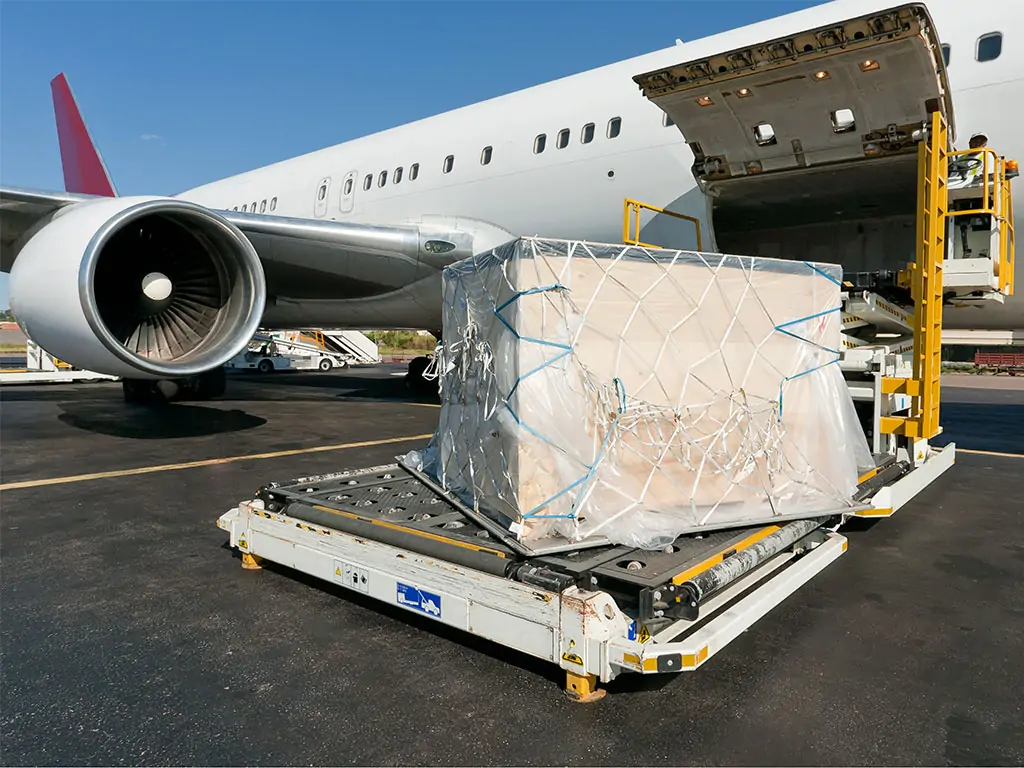
Open-Skies Cargo Pact With Barbados
On July 30, Colombia and the Caribbean island nation of Barbados signed an Air Services Agreement that establishes an open-skies scheme exclusively for cargo operations. The pact removes all limits on routes, capacity, and frequencies for carriers from both countries, according to Colombia’s foreign ministry and civil aviation authority, Aerocivil.
The agreement is designed as a legal framework that allows designated airlines to apply for permits to move freight between the two markets without the bilateral restrictions that typically govern passenger and mixed-use flights. No operational launch dates or specific airlines have been announced yet.
Aerocivil said the deal will strengthen regional air connectivity, boost tourism linkages, and expand Caribbean-basin trade. For foreign logistics operators and exporters, the framework signals Colombia’s willingness to liberalize cargo corridors beyond its immediate Andean neighbors.
Barbados, an English-speaking island of roughly 280,000 people, is not a large consumer market on its own. However, its position as a transshipment point and its stable regulatory environment make it a useful partner for Colombian exporters seeking faster, lower-cost routes into the eastern Caribbean and beyond.
The cargo-only nature of the open-skies pact is notable. It avoids the politically sensitive passenger-traffic negotiations that often slow down aviation liberalization, while directly targeting the logistics chains that support nearshoring and e-commerce fulfillment.
Colombia Business Hub: Bogotá’s GBS Ranking
A separate study released by the investment promotion agency Invest in Bogotá and global recruitment firm Michael Page ranks Bogotá among the top three Latin American cities for Shared Services Centers and Global Business Services, known as GBS. The Colombian capital shares the podium with Mexico City and São Paulo.
GBS hubs consolidate back-office functions such as finance, human resources, information technology, and procurement for multinational corporations. The ranking evaluates talent availability, operating costs, language skills, and the maturity of the local services ecosystem.
Bogotá now concentrates roughly 70 percent of Colombia’s entire GBS operations. The city’s draw rests on a growing pool of graduates in science, technology, engineering, and mathematics, combined with rising bilingual proficiency that allows it to serve both Spanish- and English-speaking markets.
Invest in Bogotá highlighted that the capital hosts centers for more than 200 multinational firms, spanning sectors from pharmaceuticals to financial technology. The agency pointed to sustained public-private investment in digital infrastructure and technical education as key factors behind the ranking.
For foreign investors weighing nearshoring options, the GBS ranking offers a data point that goes beyond labor-cost arbitrage. It suggests that Bogotá is building a durable ecosystem of skilled workers capable of handling complex, knowledge-intensive tasks for regional and global headquarters.

Nearshoring and the Services Economy
The twin developments – air-cargo liberalization and a top-tier GBS ranking – arrive as global companies continue to restructure supply chains and move operations closer to the United States. Colombia has been pitching itself as a nearshoring destination, emphasizing its time-zone alignment, cultural affinity, and improving logistics infrastructure.
Business services are a high-value segment of the nearshoring trend. While much public attention focuses on manufacturing and physical goods, the cross-border provision of accounting, software development, and customer support can scale faster and with less capital expenditure.
Bogotá’s GBS concentration also creates a flywheel effect. As more companies set up service centers, the talent pool deepens, universities tailor curricula to industry needs, and support services such as legal firms and real estate developers adapt to corporate demand.
The open-skies cargo agreement with Barbados complements the services story by addressing the physical movement of goods. E-commerce exporters and time-sensitive freight operators now have a clearer regulatory path to test Caribbean routes without facing restrictive bilateral quotas.
What the Barbados Deal Means for Trade
Colombia’s trade with the Caribbean Community, or CARICOM, has historically been modest compared with its commerce with the United States, China, and the European Union. The Barbados agreement could help change that by lowering the logistical friction that often makes intra-Caribbean trade prohibitively expensive.
The legal framework allows any Colombian or Barbadian cargo carrier to request route authorities without going through a lengthy treaty renegotiation. This flexibility is especially valuable for all-cargo airlines and integrators that need to adjust networks quickly in response to shifting demand.
While the immediate impact may be limited by the size of the Barbadian economy, the pact can serve as a template for similar agreements with other Caribbean and Central American nations. Colombian trade officials have previously expressed interest in expanding open-skies arrangements to deepen commercial ties across the basin.
For foreign investors in Colombia’s agricultural, manufacturing, and e-commerce sectors, the deal reduces uncertainty around export logistics. It also aligns with the country’s broader strategy of diversifying trade partners at a time of global geopolitical realignment.
Regional Context and Competitive Landscape
Colombia’s push to become a Colombia business hub for services and logistics does not occur in a vacuum. Mexico remains the dominant nearshoring destination for North American firms, while Brazil’s sheer economic scale gives São Paulo an unmatched concentration of regional headquarters.
However, Colombia offers a combination of political stability, dollar-linked operating costs, and a strategic location with access to both the Pacific and Atlantic basins. Bogotá’s El Dorado International Airport is already one of Latin America’s busiest cargo hubs, handling over 800,000 metric tons of freight in recent years.
The GBS ranking places Bogotá in a peer group with cities that have decades of experience hosting multinational service centers. Mexico City benefits from its integration with the United States economy, while São Paulo draws on Brazil’s deep industrial base and large domestic market.
Bogotá’s advantage lies in its relatively lower staff turnover rates and competitive salary structures for skilled professionals. Invest in Bogotá has noted that the city’s GBS sector has grown at double-digit annual rates over the past five years, outpacing several more established regional competitors.
Investor Takeaways
For international investors and expatriate executives, the two July announcements reinforce a narrative that Colombia is methodically building the infrastructure – both physical and human – to support long-term business integration with global markets.
The cargo open-skies agreement with Barbados is a targeted, low-risk liberalization that could yield quick wins for freight operators. The GBS ranking, meanwhile, provides third-party validation of Bogotá’s talent proposition at a time when labor quality is a decisive site-selection factor.
Neither development is a transformative event on its own. Together, however, they illustrate a country that is using policy and promotion in tandem to carve out a niche as a reliable, business-friendly hub in a region often characterized by volatility.
More: Colombia news in English, every day from The Rio Times.
Frequently Asked Questions
What does the Colombia-Barbados open-skies cargo deal allow?
Signed on July 30, 2026, the Air Services Agreement creates an open-skies framework for exclusive cargo service, removing limits on routes, capacity, and frequencies for carriers from both Colombia and Barbados.
Which cities rank alongside Bogotá for Global Business Services in Latin America?
According to the study by Invest in Bogotá and Michael Page, Bogotá ranks among the top three Latin American cities for GBS, alongside Mexico City and São Paulo.
Why is Bogotá considered a strong GBS hub?
Bogotá concentrates about 70 percent of Colombia’s GBS operations, supported by a growing pool of STEM graduates, rising bilingual proficiency, and sustained investment in digital infrastructure and technical education.
Connected Coverage
Ricardo Roa, Ex-Ecopetrol CEO, Seeks Plea Deal Over Petro Campaign
Sources: Colombia's foreign ministry; Aerocivil; Invest in Bogotá and Michael Page study.
This article was produced by The Rio Times’ automated newsroom system. How we use AI · Report an error
Read More from The Rio Times