Coastal Paradise Lost: São Paulo’s Beaches Face Toxic Summer
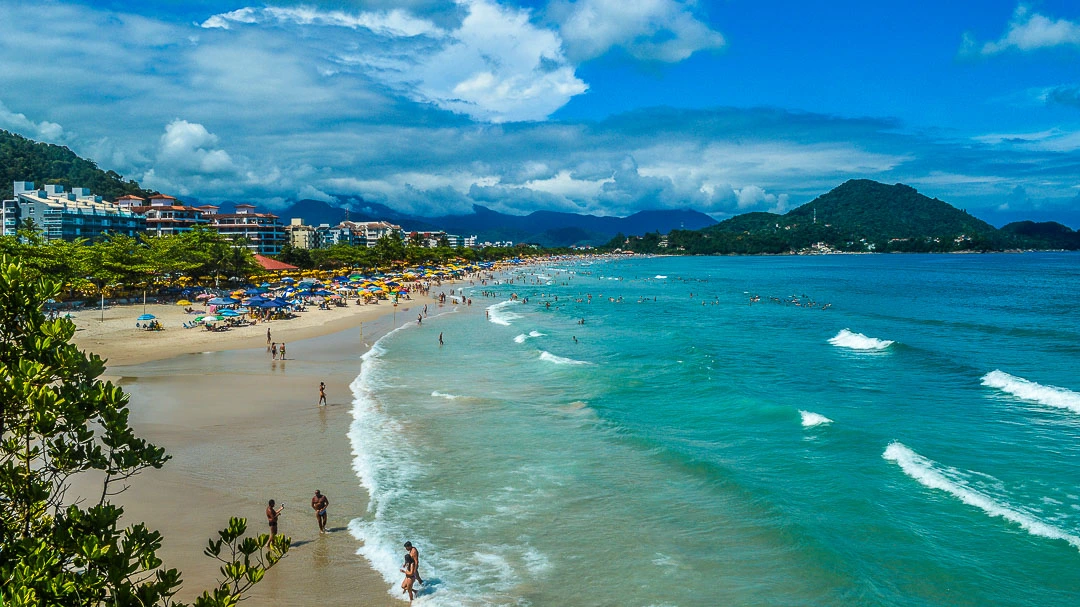
As summer dawns on São Paulo’s coast, a troubling reality emerges beneath the sun-soaked sands. Eighteen beaches, once pristine havens for locals and tourists alike, now bear warning signs: “Unsuitable for Swimming.”
This environmental crisis threatens not only the region’s natural beauty but also its economic lifeblood – tourism. The state’s environmental agency, Cetesb, reports that thirteen beaches on the northern coast fail to meet safety standards.
Popular destinations like Ubatuba and São Sebastião bear the brunt of this issue. In the bustling Baixada Santista region, five more beaches join the list of contaminated waters.
High levels of bacteria, including E. coli and enterococci, indicate serious health risks for swimmers. These microscopic invaders point to a larger problem: inadequate sewage treatment and unchecked urban runoff.
As cities expand, infrastructure struggles to keep pace, leaving waterways vulnerable to pollution. This issue extends beyond São Paulo. Coastal cities worldwide grapple with similar challenges.
Global Challenges and Solutions for Coastal Water Quality
Rio de Janeiro battles persistent sewage problems in the Tijuana River. Santa Monica and San Diego in California face their own water quality woes. Even Durban, South Africa, sees its famed Golden Mile beaches tainted by sewage.
Yet, hope glimmers on distant shores. Croatia boasts an impressive 99.1% of beaches with excellent water quality. Cyprus, Austria, and Greece follow closely behind.
These success stories prove that effective management can preserve coastal treasures. Climate change amplifies these challenges. Increased rainfall leads to more frequent sewage overflows.
Aging infrastructure buckles under the strain of extreme weather events. The need for robust, long-term solutions grows more urgent with each passing season. Efforts to address these issues are underway.
Infrastructure upgrades, increased monitoring, and public awareness campaigns show promise. Stormwater capture projects offer innovative ways to cleanse and reuse water, rather than sending polluted runoff to the sea.
More: Brazil news in English, every day from The Rio Times.
This article was drafted with automated assistance and reviewed before publication. How we use AI · Report an error · Editorial responsibility: Matthias Camenzind, Editor-in-Chief
Living in or visiting São Paulo? See this month's events and our São Paulo city guide with rents, safety and upcoming concerts.