Churches Rally for Universal Basic Income in South Africa
In a landmark move, South Africa’s churches have aligned with civil society to advocate for a Universal Basic Income Grant (UBIG), aiming to reshape the nation’s socio-economic landscape.
Initiated by the World Communion of Reformed Churches (WCRC), the push aims to transform the temporary Social Relief of Distress (SRD) grant into a permanent UBIG.
This effort highlights a commitment to holistic economic and social reform.
Currently, between 7.5 and 8.5 million unemployed South Africans rely on a modest monthly SRD grant of R370 ($18.50).
This system faces criticism for excluding many eligible individuals due to strict income checks. The call for a UBIG gained momentum at a significant event in Woodstock, Cape Town.
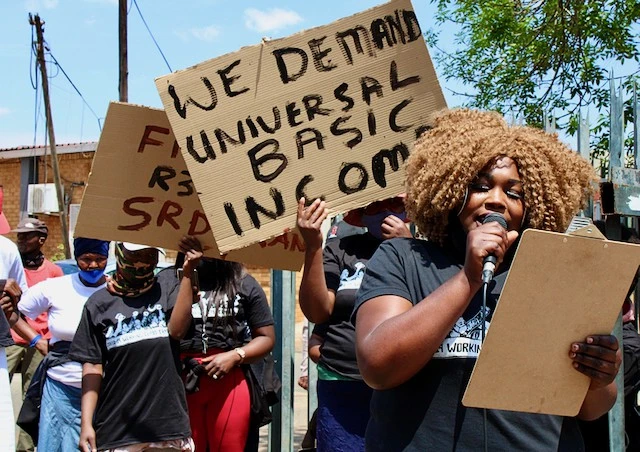
It drew support from various denominations, including the Uniting Reformed Church and the Dutch Reformed Church.
This proposed grant would offer regular cash transfers to citizens aged 18 to 59, facing opposition from significant economic sectors.
Critics of UBIG argue that it could undermine economic activity by discouraging work, potentially leading to a culture of dependency among recipients.
This perspective is contested by evidence suggesting that cash transfers can increase economic participation and security.
These transfers provide individuals with the means to engage in job-seeking and entrepreneurial activities.
Economic Implications of Cash Transfers
Concerns about affordability are significant, with opponents citing the potential need for tax increases or increased national debt, which could destabilize the economy further.
However, proponents counter these arguments by highlighting UBIG’s potential to stimulate local economies through increased consumer spending.
This boost could lead to higher tax revenues and encourage greater economic involvement from previously marginalized groups.
This approach aligns with the broader vision of economic justice promoted by church leaders and social activists.
They advocate for systemic change that ensures dignity and reduces inequality through sustained income support.
In short, this ongoing debate underscores the complex interplay between economic policy and social justice.
South Africa’s religious and civil society sectors are at the forefront of advocating for transformative economic reforms. These reforms promise a more equitable and sustainable future.
More: South Africa news in English, every day from The Rio Times.
This article was produced by The Rio Times’ automated newsroom system. How we use AI · Report an error
Part of our ongoing coverage
Africa: The New Scramble — the great-power contest over the continent.
Read More from The Rio Times