Chile Political Reform Nears Final Vote, Raising the Bar for New Parties
Chile · Politics
Key Facts
- —What happened The Senate is expected to vote on 22 September 2026, and the Chamber of Deputies on 23 September, on the final point.
- —What changes New parties need members equalling 0.3% of registered voters, not 0.25% of actual voters, in each of eight-plus regions; three-region option scrapped.
- —Why it matters Servel, the electoral service, rejected the accounts of 14 of 24 parties in February 2026; 14 parliamentary parties share state funding.
- —Who backs it Former Interior Minister Álvaro Elizalde drafted it in 2025, and the Kast government adopted it in August 2026.
- —Who objects Communists and small regional parties say it protects big parties; libertarians say rule changes will not fix distrust of politicians.
- —The catch Lawmakers who quit their party keep their seat, though the party keeps the state money tied to it.
A bill drafted under Gabriel Boric and now backed by José Antonio Kast faces its last votes this week. It makes parties harder to found and harder to keep alive.
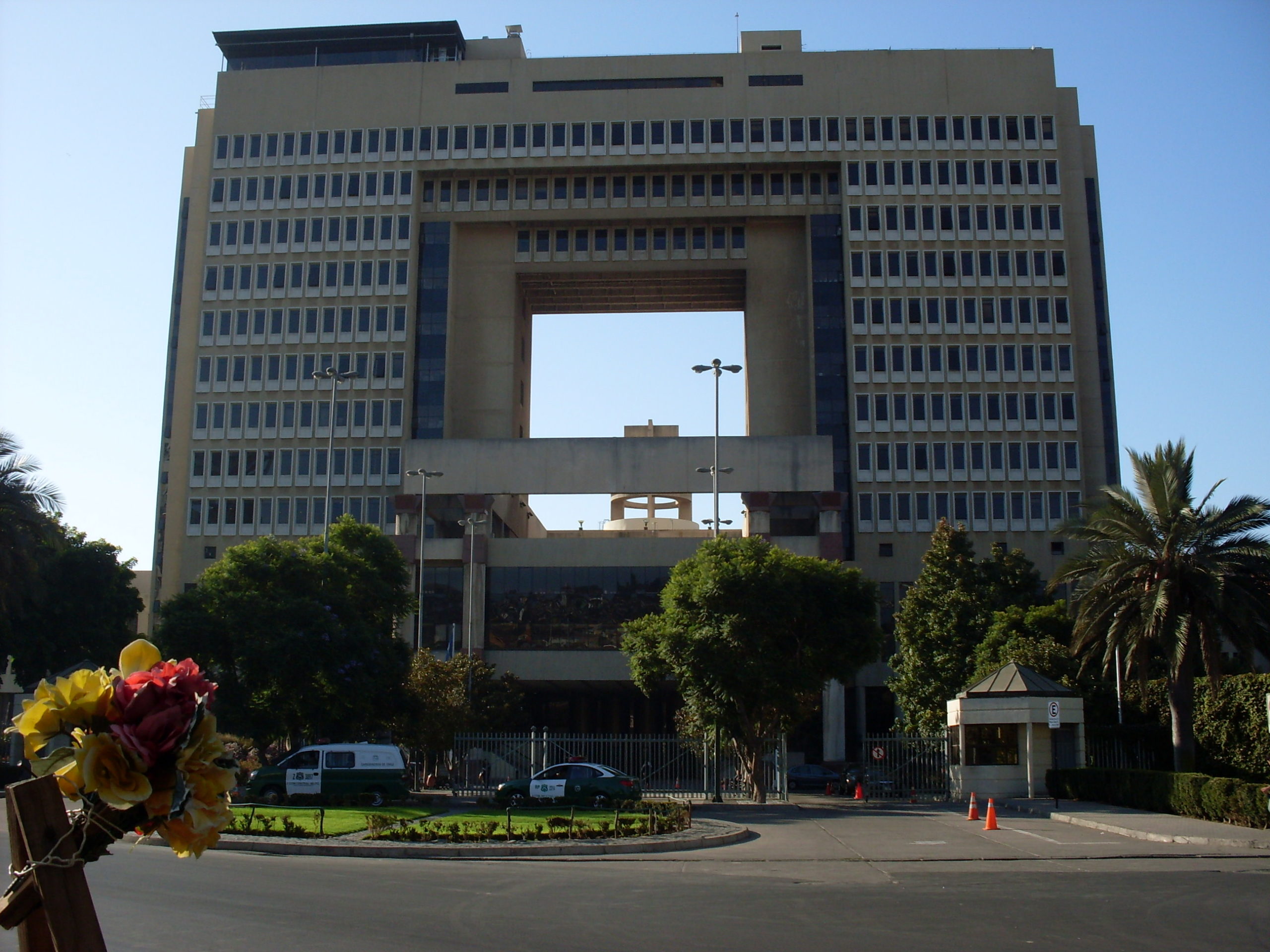
Chile political reform is one step from becoming law. Congress votes this week on a bill that makes new parties harder to create and small ones harder to keep.
The Senate is expected to vote on Tuesday 22 September 2026, according to Pauta and La Tercera. The Chamber of Deputies follows on Wednesday 23 September.
The bill, Bulletin 17640-06, is titled in Spanish as a law “to promote the governability and representativeness of the political system”.
A Boric bill that Kast adopted
The Senate record shows the bill was sent by the executive on 30 June 2025, under former President Gabriel Boric. La Tercera credits it to Álvaro Elizalde, then interior minister and a Socialist.
It survived a change of government. José Antonio Kast, founder of the Republican Party, took office on 11 March 2026 and at first moved cautiously, La Tercera reported.
His government formally sponsored the bill and gave it “suma urgencia”, a priority status that shortens deadlines, on 11 August 2026. It renewed that urgency on 8 September.
José García Ruminot, of National Renewal, is minister of the Segpres, the ministry that steers the president’s bills through Congress. He told El Mercurio that “strengthening our democracy is also a priority for this government”, Emol reported.
Where the bill stands
Most of the text has already passed. The Senate approved it on 6 January 2026, and the Chamber approved it with changes on 4 March 2026.
On 9 June the Senate accepted every Chamber change but one. That article went to a joint committee of senators and deputies, which agreed a wording unanimously on 31 August.
That article concerns party manifestos. Every party would have to condemn totalitarian rule and the use or incitement of violence as a political method.
It also asks parties to affirm their commitment to probity and transparency.
The clause amends an organic constitutional law, a class of law that needs an absolute majority of members in office. That means 26 of 50 senators and 78 of 155 deputies.
If it fails, only that clause drops out, according to Pauta and La Tercera. The rest would go to the Constitutional Court for review and then to Kast to sign.

What the Chile political reform changes
Today a party can register in eight regions or in three neighbouring ones. The bill scraps the three-region route, so every new party must organise in at least eight.
The membership floor also rises. It moves from 0.25% of those who voted in the last Chamber election to 0.3% of all registered voters, region by region.
Existing parties get 18 months to meet the minimum membership needed to survive. Founders of a party cannot run for a different party for four years.
Only parties with seats in Congress would receive the state’s regular funding for party running costs. Independents could fill at most half of a party’s congressional candidacies, or the whole slate is rejected.
Signatures for independent candidates would also be counted against the full electoral roll, which raises the number needed. That applies to congressional, municipal and regional races, Pauta reported.
What it does not do
The bill does not set a 5% national vote threshold for winning seats. Pauta notes that idea sits in a separate constitutional reform.
It keeps the rule that a party dissolves if it wins less than 5% of the vote in at least eight regions. But it drops the easier option of meeting that bar in three neighbouring regions.
Nor does it change the number of deputies, the districts or proportional voting.
Party-switchers keep their seats. Instead, a party keeps the full state payment linked to a lawmaker who quits, and the new party gains nothing.
Congressional party groups would be recognised in law and could set proportional sanctions for breaking group agreements. Those sanctions cannot strip lawmakers of their power to vote or legislate.
The case for: fewer, stronger parties
Chile’s party system is crowded. In February 2026 the electoral service, Servel, rejected the accounts of 14 of 24 parties, La Tercera reported.
The same outlet said 14 parties with seats in Congress now share state funding. Kast’s Republicans won 32 of the Chamber’s 155 seats in November 2025, the largest group, according to ADN Radio.
Senator Iván Flores, a Christian Democrat, told CNN Chile the reform may hurt smaller parties. “What has done most damage to Chilean democracy is the atomisation and polarisation of the parties,” he said.
Iván Moreira of the conservative Independent Democratic Union (UDI) said the aim is “to reduce the fragmentation that affects governability”. Fragmentation gives “disproportionate power to small parties”, he added.
The case against: a closed club
Jaime Mulet, a deputy who leads the small Regionalist Green Social Federation (FRVS), called the bill a big-party pact. “This law cartelises politics,” he said, as quoted by La Tercera.
He also told CNN Chile it lacks “a method to sanction parliamentarians who switch party”. The Communist Party’s political commission decided to oppose the bill, although two Communist senators had backed its changes.
Lorena Pizarro, who led the Communist deputies in March, called it “a step back very similar to the binominal”. That was the old two-seat district system, which favoured the two big blocs.
Johannes Kaiser, now president of the National Libertarian Party, voted against it as a deputy in March. He argued that rule changes will not cure public distrust of politicians.
Who has to go out and recruit
El Mercurio calculated which parties already meet the new survival floor, Emol reported. The Socialists, National Renewal, the Broad Front, the Party of the People and the Libertarians already qualify.
The Liberal Party would need 10,106 more members, the centre-right Evópoli 9,755 and the FRVS 9,087, on the same calculation. Kast’s Republicans would need 2,392.
For the big parties, the Chile political reform means paperwork. For the smallest, it sets an 18-month deadline to grow or disappear.
More: Chile coverage, every day from The Rio Times.
Frequently Asked Questions
What is the Chile political reform being voted on this week?
It is Bulletin 17640-06, a bill to promote the governability and representativeness of the political system. It raises the membership needed to found and keep a party, requires presence in at least eight regions, limits public funding to parties with seats in Congress and caps independent candidates on party slates. Only one article, on party manifestos, is still pending.
Does the bill punish lawmakers who switch parties?
Not with loss of their seat. A lawmaker who quits keeps the seat, but the original party and its congressional group keep the state funding and allowances linked to that member. Congressional groups may also adopt proportional internal sanctions for breaking group agreements, without removing any lawmaker’s right to vote or legislate.
Does it create a 5% vote threshold for Congress?
No. According to Pauta, a 5% national threshold for winning seats belongs to a separate constitutional reform. This bill does not change the number of deputies, the electoral districts or the proportional voting system.
What happens after the final votes?
If the Senate and Chamber approve the joint committee’s wording, the bill goes to the Constitutional Court and then to President José Antonio Kast to sign. If that article fails, only the manifesto clause drops out and the rest still proceeds, according to Pauta and La Tercera.
Sources: Chilean Senate legislative record for Bulletin 17640-06, Report of the joint committee of senators and deputies, Pauta on this week’s votes, Pauta on what the bill does and does not change, La Tercera on supporters and opponents, Emol on the government’s urgency, Emol on which parties need more members, CNN Chile on the debate, La Tercera on state funding for parties, ADN Radio on the new Chamber
This article was produced by The Rio Times’ automated newsroom system. How we use AI · Report an error
Read More from The Rio Times