Chile Lithium Share Falls to 19.4 Percent as Rivals Grow
CHILE · MINING
Key Facts
- —What happened Chile’s share of world lithium mine production fell to 19.4 percent in 2025 from about 26 percent in 2020.
- —How big Chile mined 56,000 tonnes of lithium content out of a world total of 288,380 tonnes in 2025.
- —What it means Chile is not producing less. Output rose 14.5 percent, but world output grew 29.3 percent.
- —The catch China passed Chile in 2025, so Chile is now the third-largest producer, behind Australia and China.
- —Who it hits Foreign investors face state-led deals, slow permits and usually a minority role in Chilean lithium projects.
- —What comes next Watch the NovaAndino Litio dates and whether the new government speeds up contract awards.
Chile lithium mine production was 19.4 percent of world output in 2025, down from about 26 percent in 2020. The country is not producing less, but others are scaling faster.
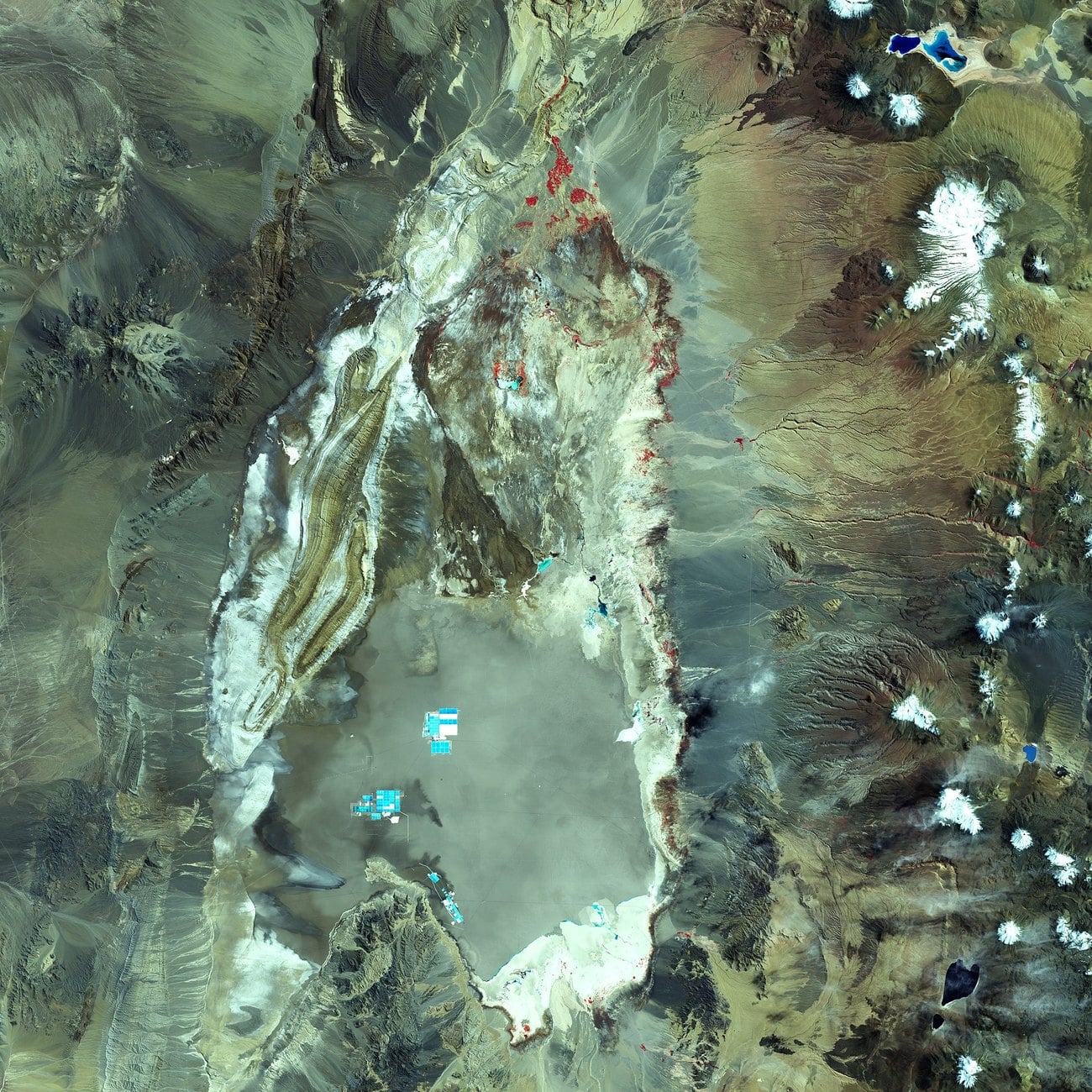
Chile lithium mine production was 19.4 percent of world output in 2025, down from about 26 percent in 2020. The figure comes from the state copper commission Cochilco, reported by CNN Chile.
What the 19.4 percent figure actually measures
The 19.4 percent is a share of world lithium mine production. It is not a fall in Chile’s own output.
Cochilco publishes the data in its yearbook of copper and other minerals. Cochilco is the Chilean state copper commission.
The measure counts tonnes of lithium content taken out of the ground. It does not measure exports, refining or sales revenue.
Chile mined 56,000 tonnes of lithium content in 2025. World output that year came to 288,380 tonnes.
The 26 percent baseline comes from 2020. Chile then produced 21,500 tonnes out of a world total of 82,585 tonnes.
So the comparison is 2020 against 2025, not one year against the next. The slide in between was gradual.
Why the Chile lithium share is falling while tonnes rise
Chile is not losing ground because its mines are closing. Its output actually grew.
Chilean production rose 14.5 percent in 2025, from 48,900 tonnes to 56,000 tonnes. World output grew 29.3 percent in the same year.
That gap is the whole story. Chile grew, but the rest of the world grew twice as fast.
China was the main reason. Its output jumped 49.8 percent to 62,000 tonnes, passing Chile.
Plusmining reported in February 2026 that China had taken second place. Chile slipped to third, behind Australia and China.
Australia stayed the largest producer, with 92,000 tonnes in 2025. Argentina and Zimbabwe are also adding tonnes quickly.
BNamericas says Argentina’s growth could top 120 percent in 2026. That is a forecast, not a recorded result.
Low prices squeezed everyone
The United States Geological Survey says producers cut output or delayed projects in 2025. Low prices were the reason.
That agency is part of the United States government and tracks world mineral supply. Its February 2026 report carries the 2025 estimates.
Chile felt the price drop in cash terms. Lithium export earnings fell from US$2.52 billion in 2024 to US$2.18 billion in 2025.
So the value fell while the volume rose. Cheaper lithium more than cancelled out the extra tonnes.
Lithium also shrank inside Chile’s mining export basket. Its share fell from 8.9 percent in 2022 to 2 percent in 2025.
SQM, Codelco and the salt flats, explained
Lithium in Chile comes from salt flats called salares. Brine rich in lithium is pumped up and left to evaporate.
The most important flat is the Salar de Atacama. It has driven most of Chile’s output.
SQM is a private Chilean chemicals company that has mined lithium there for years. Codelco is the state-owned copper giant.
Under Chile’s National Lithium Strategy, Codelco was told to partner with SQM. The deal created a company called NovaAndino Litio.
Codelco holds 50 percent plus one share. SQM keeps management control until 2030, and Codelco takes over from 2031.
The partnership is meant to keep the Salar de Atacama producing through 2060. That is what both companies have said.
Albemarle is the other lithium producer in the same salt flat. Its contract with the state development agency Corfo runs to 2043.
Together the two operations made 311,300 tonnes of lithium carbonate equivalent in 2025. That unit is the standard industry measure of finished lithium.
Permits are the bottleneck
Miners and investors want the new Kast government to award new contracts faster. Reuters reported that request.
It is a request from industry, not a confirmed policy change. No new rules have been published.
Rio Tinto’s two Chilean lithium deals have also slipped. Econosur reported in August 2026 that both closings moved to late 2026 or early 2027.
Those are deal closings, not mine closures. Regulatory approvals and other conditions were still pending.
The projects themselves have slipped further. BNamericas reported in July 2026 that Codelco pushed first Maricunga lithium to 2034.
The earlier target had been 2030. Every year of waiting is a year rivals can add tonnes.
What the state-led model means for investors
The law firm Gibson Dunn says investors should expect the state-led model to continue. Access runs through special state contracts.
Projects also face heavy environmental and indigenous consultation. Gibson Dunn wrote that the Kast government sounds friendlier to investors.
The strategy aims to expand output while keeping a state majority in strategic projects. That framework was set out in 2023.
So private capital is welcome, usually as a minority partner. The state sets the rules, and permits set the pace.
For a foreign investor, the question is not whether Chile has lithium. It is how fast a project can move from approval to production.
What to watch next
Watch whether the new government speeds up contract awards. Industry has asked for that, but nothing has changed yet.
Watch the NovaAndino Litio dates, because 2030 and 2031 decide Chile’s next supply wave. Watch Argentina, which is growing fast.
And watch prices, because low prices pushed producers to delay projects. The Chile lithium share can steady if projects arrive on time.
If they slip again, the slide from 26 percent to 19.4 percent may continue. Nothing in the data points to a quick turn.
More: Chile news in English, every day from The Rio Times.
Frequently Asked Questions
Is Chile still the world’s biggest lithium producer?
No. Australia is the largest, China is second, and Chile fell to third place on 2025 mine production.
Why is the Chile lithium market share falling?
Chile’s own output is rising, but Australia, Argentina and China are growing faster, so Chile’s slice is smaller.
What is the SQM-Codelco deal?
It is a public-private partnership called NovaAndino Litio. Codelco holds 50 percent plus one share and takes over management from 2031.
What is the Salar de Atacama?
It is a salt flat in northern Chile where lithium-rich brine is pumped to the surface. It drives most of Chile’s output.
Sources: Sources: CNN Chile (Cochilco yearbook), Plusmining, USGS, Reuters, BNamericas, Econosur, Codelco, Gibson Dunn. https://www.cnnchile.com/negocios/chile-pierde-terreno-carrera-litio-participacion-mundial-cayo-26-a-194/ https://plusmining.com/en/2026/02/27/china-overtakes-chile-as-the-worlds-third-largest-lithium-producer-as-industry-growth-lags/ https://pubs.usgs.gov/periodicals/mcs2026/mcs2026-lithium.pdf https://www.reuters.com/world/china/lithium-bulls-set-gatecrash-chiles-copper-party-2026-04-10/ https://www.bnamericas.com/en/features/codelco-delays-to-2034-lithium-from-salar-de-maricunga-with-rio-tinto-in-chile https://www.bnamericas.com/en/analysis/argentinas-lithium-boom-set-to-top-120-growth-in-2026-putting-chiles-crown-on-the-line https://econosur.org/insights/chile/lithium/ https://www.codelco.com/en/prensa/2025/codelco-y-sqm-forman-novaandino-litio-la-sociedad-conjunta-para-el https://www.gibsondunn.com/chiles-lithium-regime-under-president-kast-pro-investment-tone-but-the-state-centric-model-still-governs/
This article was produced by The Rio Times’ automated newsroom system. How we use AI · Report an error
In depth
Read More from The Rio Times