
CHAD · SECURITY
Key Facts
- The country Chad is a landlocked Sahel nation in north-central Africa, with capital N’Djamena, bordering war-torn Sudan.
- What happened On Friday 30 October 2026, a water dispute in Isné village became a gun battle between two communities.
- The toll At least 7 people were killed and 22 wounded, according to local officials; the figure may still rise.
- Where Isné lies in Ngoura department, Hadjer-Lamis province, in the centre of Chad.
- The pattern Third deadly water-linked clash in 12 months, after 33 deaths in November 2025 and 42 in April 2026.
The Chad clash over water on Friday 30 October 2026 killed at least seven people and wounded 22 in a central village. A quarrel at a pond grew into a gun battle between two communities in Hadjer-Lamis province.
For US readers, the story matters because Washington already tells citizens to reconsider travel to Chad and can offer little help outside the capital. It also shows how pressure on water adds to instability in a country that hosts refugees from Sudan’s war.
What Happened in Isné on 30 October
Local officials say the fighting took place on Friday 30 October in Isné, a village in the Ngoura department of Hadjer-Lamis province. At least seven people died, and a local lawmaker said 22 wounded people were taken to the hospital in Ngoura.
An administrative official, who spoke without giving his name, said members of the Kreda community attacked Isné, a village of the Kouka community. He added that several villages were set on fire.
A local member of parliament described how it began: a Kreda herder brought his cattle to drink at a pond in the Kouka area. The two men quarrelled, and the herder pulled out a gun and shot the Kouka man in the foot.
That shot set off a fight with firearms between the two communities. Security forces have since been sent to the area to restore order and prevent new attacks, and the toll is described as provisional.
Who the Two Communities Are
Officials named the two sides as the Kreda and the Kouka, two of the many ethnic groups of Chad’s central Sahel belt. The Kreda are known as herders who move animals in search of pasture, while an official says the Kouka village was attacked.
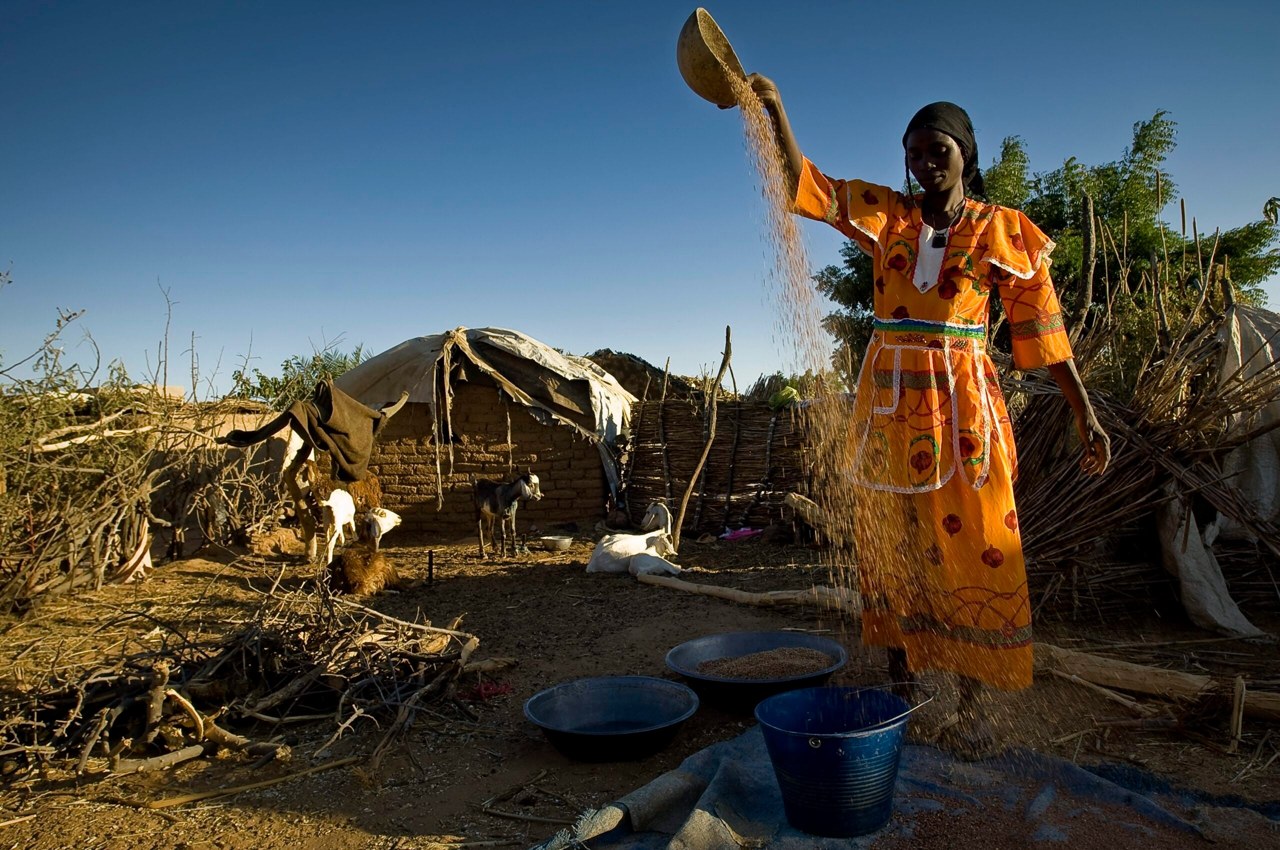
Chad has dozens of ethnic groups, and most villagers live from farming and livestock. When a pond or well is shared, one quarrel can pull in whole families, and a Chad clash over water turns deadly.
A Pattern of Fights Over Wells and Ponds
Friday’s clash is the third deadly episode linked to water in about a year. In early November 2025, a well dispute at Débibé, on a provincial border, left 33 dead and about 30 wounded, the government said.
On Saturday 25 April 2026, a well dispute in Guéréda, in eastern Wadi Fira province, killed at least 42 people, the local government delegate said. Three more people died on Monday 27 April in a second clash nearby.
In all three cases the trigger was a dispute over scarce water, and the fighting spread beyond the first quarrel. For the wider security picture, see our report on French fighter jets due back in Chad.
How the Government Has Responded Before
After the Débibé violence in November 2025, a ministerial mission reached the scene on 5 November. It was led by Limane Mahamat, the minister of state in charge of territorial administration, with the justice and public security ministers.
The mission reported the arrest of a gendarmerie company commander and a traditional canton chief and the seizure of six firearms. It ordered local authorities and the military to disarm the warring parties systematically.
Traditional chiefs told the ministers the dispute stemmed from the lack of a marked border between the two provinces. The delegation asked them to preach peaceful coexistence and urged anyone holding illegal guns to hand them in.
What It Means for US Readers
The US State Department rates Chad at Level 3, Reconsider Travel. It rates the Lake Chad region and the borders with Cameroon, Libya, Niger, Nigeria, Sudan and the Central African Republic at Level 4.
The advisory warns that outside N’Djamena the US government has extremely limited ability to provide emergency services. US government employees also need special authorization to travel outside the capital.
The Chad clash over water matters to Washington because the country sits between Sudan’s war and the Sahel, where several governments face armed groups. Repeated communal violence stretches a state that also hosts people who fled the fighting in Sudan, according to the United Nations refugee agency.
What Is Not Known
The final toll of the Chad clash over water is not clear, because officials call the figure provisional. Some of the wounded are still being treated, and no independent count of burned villages or displaced families exists.
No arrests have been announced, and the government has not yet said whether it will send a ministerial mission as it did in 2025. Officials have also not said how many security troops are now in the area.
The accounts of who attacked first come from anonymous and local officials, and the two communities have not given their own version. Whether the pond is on land claimed by one group or shared by both is also not stated.
More: Africa news in English, every day from The Rio Times.
Frequently Asked Questions
Where did the Chad clash over water happen?
The Chad clash over water happened in Isné, a village in the Ngoura department of Hadjer-Lamis province, in central Chad. The clash took place on Friday 30 October 2026.
How many people died in the Chad clash?
In the Chad clash over water, local officials say at least seven people were killed and 22 were wounded. They describe the toll as provisional, so it may change.
What started the fighting in Hadjer-Lamis?
A local lawmaker says a herder brought cattle to drink at a pond, quarrelled with a villager and shot him in the foot. That triggered a firearms battle between the two communities.
Is it safe for Americans to travel to Chad?
The US State Department rates Chad Level 3, Reconsider Travel, with Level 4 areas around Lake Chad and several borders. Help for US citizens is extremely limited outside N’Djamena.
Has this kind of violence happened in Chad before?
Yes, a well dispute at Débibé, on a provincial border, left 33 dead in November 2025, according to the government. A similar clash in Guéréda killed at least 42 in April 2026.
Sources: US Department of State, Chad Travel Advisory (Level 3, Reconsider Travel), 31 October 2026; UN High Commissioner for Refugees, Chad operational data portal, 31 October 2026.
This article was produced by The Rio Times’ automated newsroom system. How we use AI · Report an error · Editorial responsibility: Matthias Camenzind, Editor-in-Chief