
Cameroon: Elections
Cameroon’s parties have until Tuesday 24 November 2026 to hand in their candidate lists, and the ruling party has told its branches to make room for women, young people and new faces. The country votes on Sunday 7 February 2027 for 180 National Assembly members (the lower house of parliament) and the councils of the country’s communes (municipalities).
President Paul Biya, in office since 1982, set the date in a decree of Monday 9 November 2026. His ruling party, the Cameroon People’s Democratic Movement (CPDM), then told its branches to widen their lists.
No law fixes a quota for women on Cameroonian lists, according to the International IDEA gender quotas database (a Stockholm-based intergovernmental research body). The Electoral Code asks only for evidence of gender consideration.
Key Facts
- Vote. Sunday 7 February 2027, for 180 deputies and municipal councils.
- Deadline. ELECAM, the state electoral body, takes candidate files until Tuesday 24 November.
- Women after 2020. About 61 of 180 deputies are women, roughly 34%, after the 2020 vote.
- Quota. No legislated gender quota exists for Cameroonian candidate lists.
- As of 17 November 2026, 18:00 GMT
The party lists filed this month will show whether the new guidance on women and youth becomes names on paper or stays a promise. Parties have only seven days left to file.
The Big Picture
Cameroon last elected its lawmakers and councillors in February 2020, and both mandates were later extended. Local press reported that the lawmakers’ terms now run to 20 December 2026 and the councillors’ to 28 February 2027.
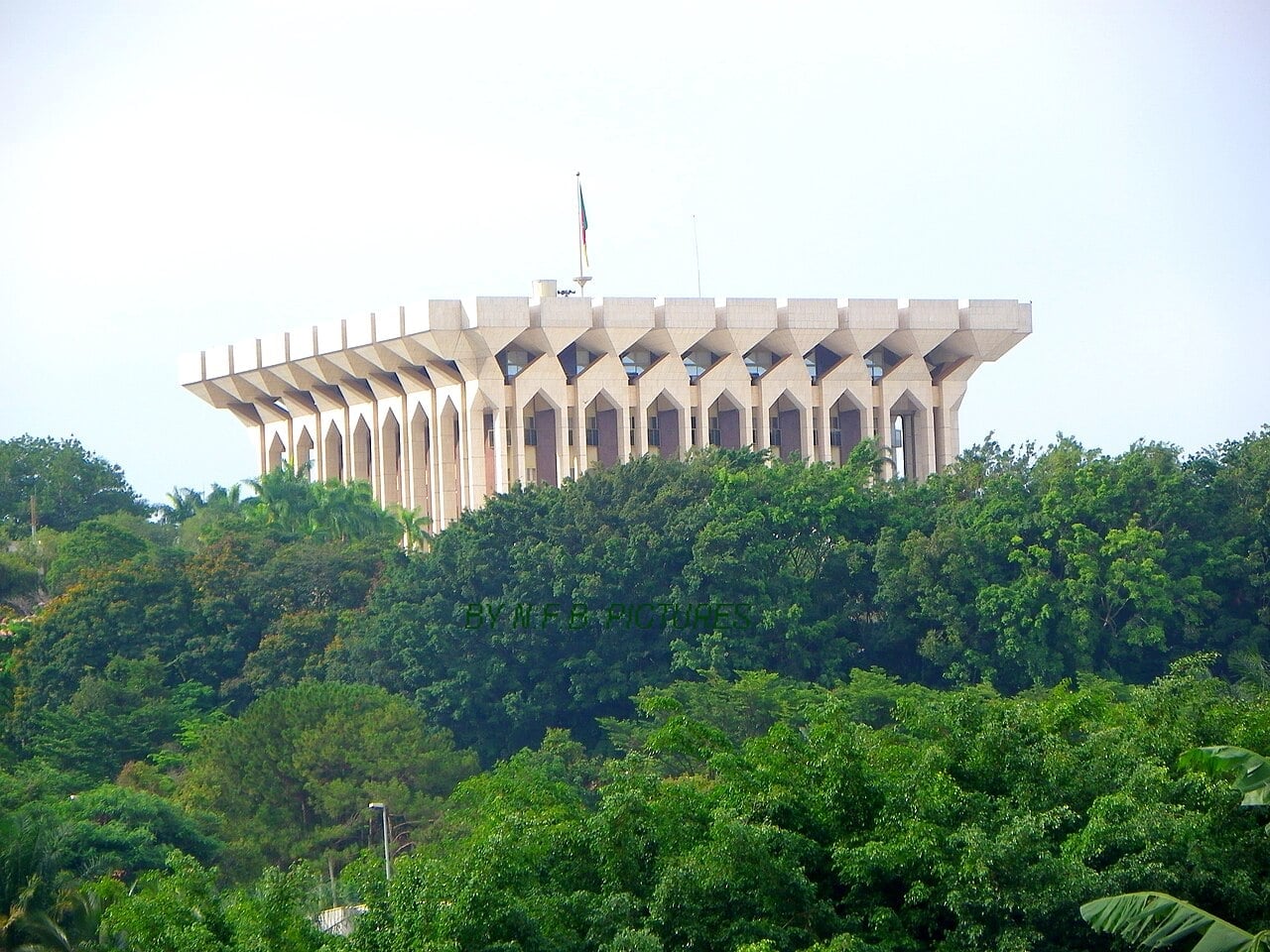
The Electoral Code, the country’s election law, says in Section 164 that a list must show representation of the sociological components of the constituency. It also asks for evidence of gender consideration, and seats are filled by the list system.
On Wednesday 11 November 2026 Biya signed a circular as national chairman of the CPDM. It tells the party to respect the law on the make-up of lists when drawing them up.
The circular calls for “substantially increasing” seats for women, young people and new faces. The record gives no figure for what “substantially” means.
Biya was re-elected in October 2025 with 53.66% of the vote by official results. His party’s circular followed the decree by two days.
More: Cameroon news in English, the 9 November election decree, voter-roll checks that ran until 10 November
What We Know
ELECAM (Elections Cameroon, the state body that runs elections) receives candidacy files until Tuesday 24 November 2026. That is fifteen days after the decree, under articles 164 and 181 of the Electoral Code.
Legislative files go to ELECAM divisional branches or to its General Directorate of Elections in Yaoundé. Municipal files go to the council branches.
In plain English
- List system: voters choose a party’s whole list, not single names.
- Retained list: a candidate list accepted after examination.
- Deputy: a member of the National Assembly.
The CPDM also kept government members, senators and regional councillors off its legislative lists, local press reported. Parties choose their own candidates, so the lists will show each party’s decisions.
The Social Democratic Front (SDF), an opposition party, has adopted a voluntary 25% quota for women, according to International IDEA. ELECAM and UN Women (the UN agency for gender equality) held a workshop in Yaoundé on 27 July 2026 for women, young people, minorities and people with disabilities.
Issa Tchiroma Bakary, the runner-up in October 2025 with 35.19% by official results, leads the FSNC (National Salvation Front of Cameroon) party. A ministerial order signed on 27 October 2026 suspended that party from all activity for three months, which covers the filing period.
Why It Matters
Because voters pick whole lists, the names a party files decide who can win a seat. Women, young people and minorities gain only if parties place them on the lists, since no quota forces them to.
After the 2020 legislative vote, women held about 61 of 180 Assembly seats, roughly 34%, per the International IDEA database. No source we found gives a comparable figure for young candidates.
What to Watch Next
- Tuesday 24 November 2026: filing deadline at ELECAM under the Electoral Code.
- Sunday 7 February 2027: vote for the National Assembly and the councils.
The campaign dates and the results timetable were not confirmed in the sources we found. Nothing later than the vote date is treated as settled here.
What Is Not Known
It is not known how many women and young candidates each party will field, nor what the final retained lists will contain. It is also unclear what “substantially” means in numbers, whether opposition lists will be complete, and what the FSNC will do.
What It Means for You
For anyone following Cameroon from abroad, the filings due on 24 November are the first hard test of whether the circular’s words reach the paper lists. Voters will see who the parties actually chose once the retained lists are published.
Frequently Asked Questions
When are the Cameroon legislative and municipal elections?
Cameroon votes on Sunday 7 February 2027 for 180 National Assembly members and municipal councils. President Paul Biya convened the electorate by decree on Monday 9 November 2026.
What is the deadline for candidate lists in Cameroon?
ELECAM receives candidacy files until Tuesday 24 November 2026. Legislative files go to ELECAM’s divisional branches or its Yaoundé directorate.
Is there a gender quota for Cameroon’s candidate lists?
No. The International IDEA database lists no legislated quota, and the Electoral Code only asks for evidence of gender consideration.
Sources: Presidential decree of 9 November 2026 convening the electorate; Electoral Code of Cameroon, articles 164 and 181; CPDM circular of 11 November 2026; International IDEA Gender Quotas Database (Cameroon).
This article was produced by The Rio Times’ automated AI newsroom. Editorial responsibility: Matthias Camenzind, Publisher and Editor-in-Chief. The Rio Times also runs Ask Rio Times, which answers from 100,000+ of our own articles, the daily Latin America Power Map, and prediction-market odds on elections and markets.. How we use AI · Report an error