Callao Armors Buses Against Extortion Attacks in Peru
PERU · SECURITY
Key Facts
- —What happened Bus company Corredor Rosado in Callao, next to Lima, is fitting steel cabins and bulletproof glass onto its buses.
- —The scale Peru recorded 214 attacks on transport workers from August 2024 to May 2026, killing 152 people.
- —The catch The armor project covers just one Callao bus route; extortion attacks keep killing drivers elsewhere in Peru.
- —Who it affects Peru’s Public Ministry recorded 25 attacks on Callao transport workers between August 2024 and July 2026, killing nine drivers.
- —What comes next Callao aims to armor all 50 buses by the end of 2026, split evenly between the city and bus consortium.
Callao is fitting city buses with steel cabins and bulletproof glass as extortion gangs keep killing transport workers across Peru.
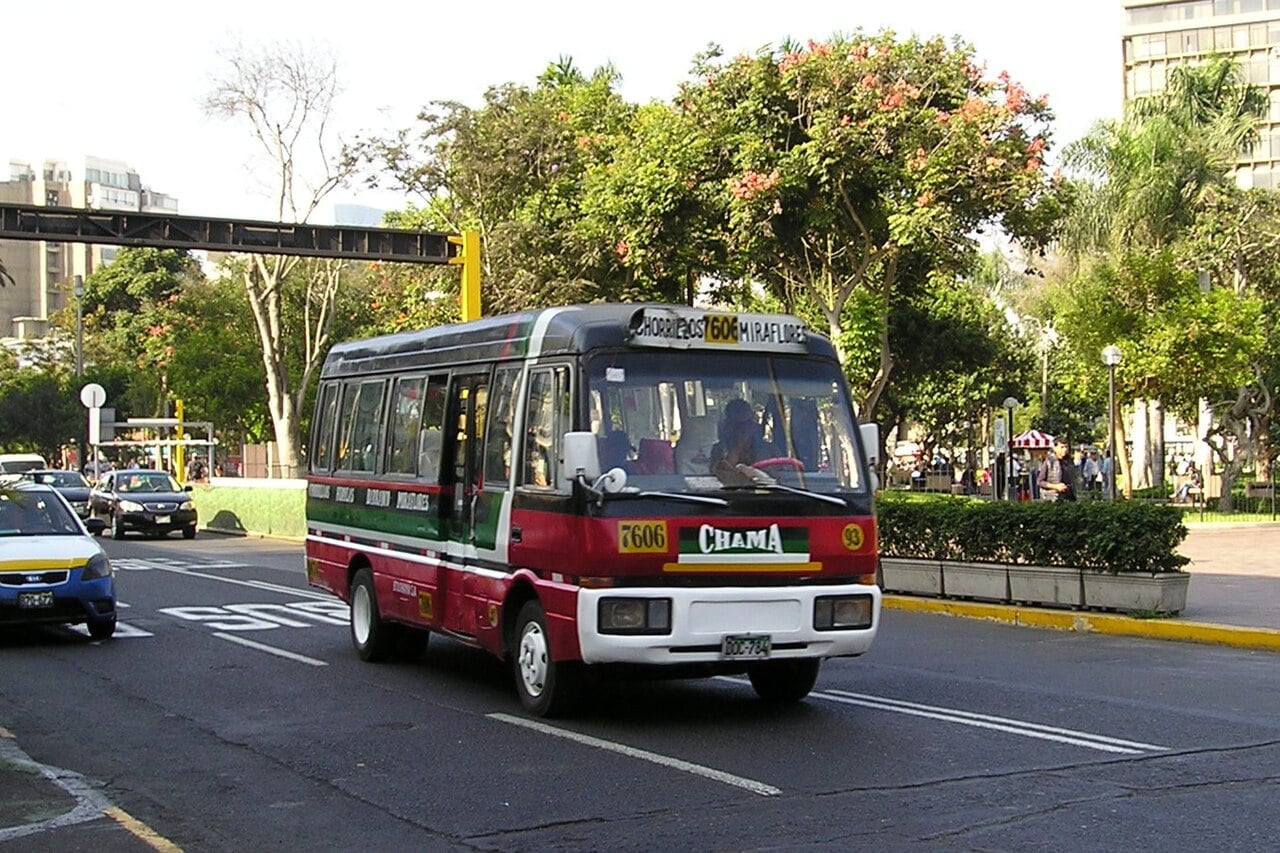
Bus company Corredor Rosado is bolting steel cabins onto its fleet in Callao, next to Lima. The upgrade adds 21-millimeter glass that can stop bullets, La República reported.
Callao’s city government and the bus consortium are splitting the cost evenly. They aim to armor all 50 buses on this route by the end of 2026.
Steel Cabins and Bulletproof Glass
The steel cabins wrap around the driver’s seat for extra protection. Reinforced glass panels are built to survive gunfire at close range.
Some municipalities are negotiating lower “social cost” prices with armor companies. Officials say that discount could let more bus corridors afford similar upgrades.
Peru’s transit authority ATU (the Urban Transport Authority) launched Corredor Rosado to link Callao with Lima. Commuters use it daily to reach jobs and schools across both cities.
The corridor rolled out a new fleet of natural-gas buses in April 2026. The armor upgrade adds fresh protection to that same fleet, months later.
The buses will also carry satellite-tracked security cameras. Those cameras feed live video straight to Callao’s monitoring center.
City officials say that real-time link should speed up emergency response. Faster alerts could help police reach an attack scene sooner.
A Deadly Pattern Behind the Upgrade
Infobae reported 214 attacks on Peru’s transport workers from August 2024 to May 2026. Those attacks left 152 people dead and 131 injured nationwide.
Seventy-two of those deaths came in 2026 alone, Infobae reported. The toll has kept climbing even as some operators armor their fleets.
Peru’s Public Ministry handles criminal prosecutions nationwide. It recorded 25 attacks on Callao transport workers between August 2024 and July 2026.
Nine drivers or fare collectors died in those attacks. Prosecutors tied the killings to extortion gangs operating on the route.
Callao Mayor César Pérez said some bus companies now refuse to keep paying extortionists. “We need to give drivers peace of mind,” he told La República.
Transport unions have staged nationwide strikes more than once in 2026 over rising extortion demands. Drivers say gangs demand so-called “cupos” — cash payments to let buses keep running.
Peru’s government has repeatedly renewed a state of emergency across Lima and Callao this year. The latest 60-day extension began in late August to help police fight organized crime.
Other Lima Companies Arm Up Too
Other Lima bus operators aren’t waiting for city help. VIPUSA has armored about 70% of its fleet on its own, Infobae reported.
The company spends up to S/3,000 (about US$892) per bus. VIPUSA has absorbed that cost so far without raising fares.
Company officials have not ruled out a fare increase later, Infobae reported. One driver told Infobae that “our lives hang by a thread” in public transport.
VIPUSA began armoring buses after gunmen shot at one of its vehicles in Lima’s Puente Piedra district in April 2026. The attack killed a passenger and wounded others, La República reported.
Some VIPUSA drivers have said they are considering leaving Peru for Spain after death threats from extortionists. Infobae reported those threats in March 2026.
What Happens Next
Callao’s model splits the cost between city hall and the bus consortium. If cheaper “social cost” pricing spreads, more corridors could copy the approach.
For now, the 50-bus Callao fleet remains a pilot project. Peru’s wider extortion crisis against transport workers is far from solved.
More: Peru news in English, every day from The Rio Times.
Frequently Asked Questions
Why are Callao buses getting steel cabins and bulletproof glass?
Extortion gangs have repeatedly attacked drivers on the Corredor Rosado route. Callao’s government and the bus consortium are armoring buses to protect their crews.
How many buses will be armored, and by when?
Corredor Rosado plans to armor all 50 buses on its route. Callao’s government and the bus consortium aim to finish by the end of 2026.
How many transport workers have been attacked in Peru?
Infobae reported 214 attacks on Peru’s transport workers from August 2024 to May 2026. Those attacks killed 152 people and injured 131 others.
Are other bus companies in Lima also armoring their fleets?
Yes. Bus company VIPUSA has armored about 70% of its fleet on its own, spending up to S/3,000 (about US$892) per bus.
Sources: La República, Infobae Perú, El Comercio Perú.
This article was produced by The Rio Times’ automated newsroom system. How we use AI · Report an error
Read More from The Rio Times