Breaking Free: Petrobras and Gerdau Forge New Path in Brazilian Gas Market
In a landmark move, Petrobras and Gerdau have signed a groundbreaking agreement for natural gas supply in Rio Grande do Sul. This deal marks a significant shift in Brazil’s energy landscape. The companies, along with Sulgás, will provide gas to Gerdau’s steel plants in Charqueadas and Sapucaia do Sul.
The agreement represents the first transition from a captive to a free market in the state. This change follows new rules approved by AGERGS, the state’s regulatory agency. The move aligns with broader efforts to liberalize Brazil’s energy sector.
Petrobras has committed to investing over $7 billion in new gas infrastructure. This substantial sum, equivalent to R$39.9 billion, aims to boost domestic supply and reduce imports. The company plans to offer flexible contracts to meet diverse customer needs.
The partnership between Petrobras and Gerdau is not new. It began in 2021 with gas supply to Gerdau’s Ouro Branco plant in Minas Gerais. Earlier this year, they extended the arrangement to the Cosigua unit in Rio de Janeiro.
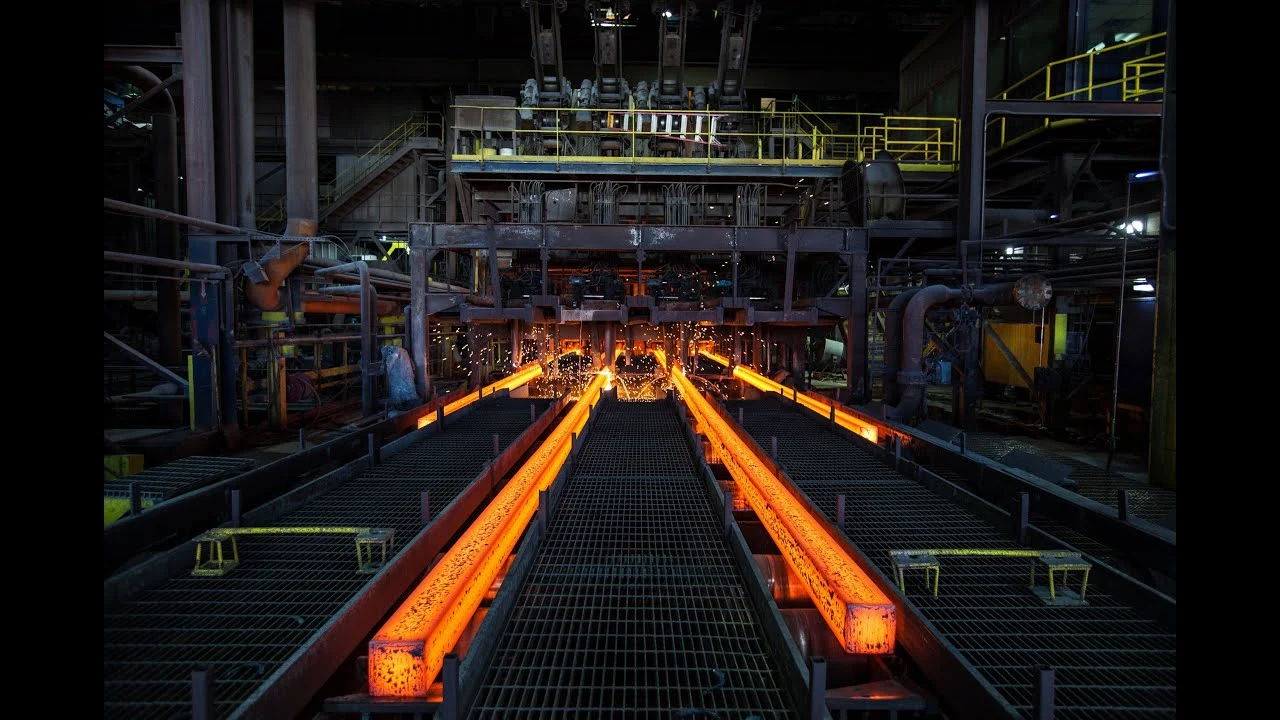
This latest development in Rio Grande do Sul carries significant weight. It paves the way for more industrial consumers to enter the free market. The move is expected to enhance competitiveness in the state’s industrial sector.
Key figures have expressed optimism about the agreement. Maurício Tolmasquim of Petrobras emphasized their commitment to competitive gas options. Flávia Souza from Gerdau highlighted the deal’s importance for their growth plans.
Breaking Free: Petrobras and Gerdau Forge New Path in Brazilian Gas Market
The agreement reflects a broader trend towards market liberalization in Brazil’s gas sector. It demonstrates the potential for increased efficiency and competition in energy supply. This shift could lead to economic benefits and support industrial decarbonization efforts.
However, challenges remain in fully realizing the potential of a free gas market. Regulatory hurdles and infrastructure limitations still need addressing. The success of this agreement may inspire similar arrangements in other states and industries.
The move towards a free market aligns with principles of economic liberty and self-reliance. It reduces dependence on state-controlled energy systems. This shift empowers businesses to make their own energy choices.
As Brazil continues to evolve its energy policies, deals like this will likely become more common. They represent a step towards a more dynamic and competitive energy market. The impact of such changes on Brazil’s economy and energy landscape remains to be seen.
More: Brazil news in English, every day from The Rio Times.
Live Company IntelligencePetroleo Brasileiro Petrobras SA ADR — the full investor dossier
Wall Street view
Valuation & profitability
Price & risk
$10.6552-wk high
$21.99
Revenue trend · 6y
Ownership
Dividend
This article was produced by The Rio Times’ automated newsroom system. How we use AI · Report an error
LatAm Markets: Live Signals → — real-time movers, turnover leaders and FX across Latin America.
Read More from The Rio Times