Brazilian Energy Giants Join Forces: Eletrobras and Gosolar’s Floating Solar Venture
Brazil’s energy landscape is evolving. Eletrobras and Gosolar have formed a joint venture to build floating solar plants. The Administrative Council for Economic Defense (Cade) approved this partnership without restrictions.
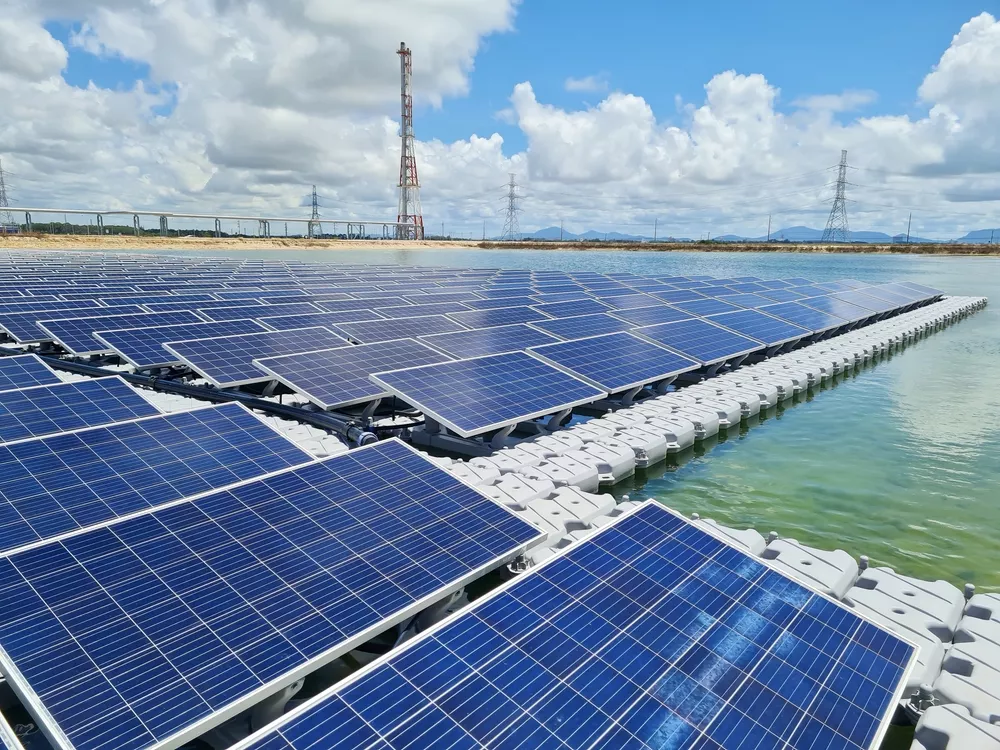
This move signals a shift towards innovative renewable energy solutions in Brazil. The venture aims to install solar panels on hydroelectric reservoirs. Four locations have been chosen for this project.
These include Sapucaia in Rio de Janeiro and three sites in Bahia: Jequié, Paulo Afonso, and Sobradinho. The exact scale of these projects remains undisclosed.
Eletrobras, Latin America’s largest power utility, brings its vast resources to the table. Gosolar, a subsidiary of Goener Participações, contributes expertise in small-scale energy generation.
This collaboration merges large-scale operations with specialized knowledge. The Brazilian solar energy market is growing rapidly. Projections suggest it will reach 97.46 gigawatts by 2028.
This represents a compound annual growth rate of 23.30%. The Eletrobras-Gosolar venture taps into this expanding sector.
Brazil’s Push for Floating Solar Technology
Floating solar technology offers several advantages. It conserves land by using existing water bodies. The water’s cooling effect can improve panel efficiency.
These plants may also reduce water evaporation from reservoirs. They can utilize existing power transmission infrastructure at hydroelectric sites.
Brazil’s energy policy supports such initiatives. The country aims to increase non-hydro renewable energy to 28% of its electricity mix by 2027. This goal aligns with the Plano Decenal de Expansão de Energia (PDEE) 2027.
The venture’s approval reflects a favorable regulatory environment for innovative energy projects. It demonstrates Brazil’s commitment to diversifying its energy sources.
This approach balances economic growth with environmental considerations. Eletrobras has a strong track record in low-emission energy.
As of 2019, 96% of its installed capacity came from low greenhouse gas sources. These include solar, nuclear, wind, and hydroelectric power. This new venture further expands its renewable portfolio.
More: Brazil news in English, every day from The Rio Times.
This article was produced by The Rio Times’ automated newsroom system. How we use AI · Report an error
LatAm Markets: Live Signals → — real-time movers, turnover leaders and FX across Latin America.
Read More from The Rio Times