IBOV 186,316.10 ▲ 0.41% IPSA 11,381.18 ▲ 1.30% IPC MEX 63,507.11 ▼ 1.11% MERVAL 3,046,139 ▲ 0.57% COLCAP 2,510.93 ▼ 0.03% BVL PERÚ 58,965.05 ▲ 0.64% USD/BRL5.16▲ 0.04% USD/MXN17.18▼ 0.38% USD/CLP958.64▲ 0.33% USD/COP3,159▲ 1.17% USD/PEN3.37▲ 0.30% USD/ARS1,508▼ 0.35% USD/UYU40.20▲ 3.11% USD/PYG5,888▲ 2.09% USD/BOB9.75▼ 12.91% USD/DOP58.80▼ 0.09% USD/CRC444.45▲ 2.53% USD/GTQ7.63▲ 3.11% USD/HNL26.85▲ 3.22% USD/NIO36.62▲ 2.69% USD/VES845.33▼ 0.13% USD/PAB1.00— 0.00% USD/BZD2.00— 0.00% USD/JMD 157.28 — 0.00% USD/TTD6.74▲ 2.56% EUR/BRL5.92▼ 0.18% BRENT 88.88 ▼ 0.03% WTI 83.11 ▼ 0.11% IRON ORE 161.91 — — COPPER 6.61 ▲ 0.03% GOLD 4,461 ▲ 1.78% SILVER 65.59 ▲ 1.26% SOY 1,184 ▲ 3.20% CORN 480.50 ▲ 10.02% WHEAT 655.00 ▲ 3.93% COFFEE 317.25 ▼ 5.51% SUGAR 16.43 ▼ 1.79% ORANGE JUICE 138.55 ▼ 0.47% COTTON 85.03 ▲ 2.33% COCOA 5,719 ▲ 3.18% BEEF 223.60 ▼ 3.93% CATTLE 339.10 ▼ 3.16% LITHIUM 75.20 ▲ 1.47% PETR4 41.64 ▼ 0.05% VALE3 72.97 ▲ 0.83% ITUB4 38.60 ▼ 1.03% BBDC4 16.85 ▲ 0.36% ABEV3 14.89 ▼ 0.80% BBAS3 19.37 ▲ 0.47% B3SA3 14.26 ▼ 0.21% WEGE3 47.59 ▲ 0.49% PRIO3 59.14 ▼ 0.19% SUZB3 41.33 ▲ 2.35% RENT3 34.68 ▼ 0.09% AZZA3 15.89 ▼ 2.63% CSAN3 3.22 ▼ 1.83% RAIZ4 0.25 — 0.00% PCAR3 2.75 ▼ 0.36% GMAT3 3.65 ▼ 1.08% PSSA3 48.13 ▼ 0.54% CVCB3 1.33 ▼ 2.92% POSI3 3.36 ▲ 2.44% SLCE3 13.34 ▲ 0.30% NATU3 8.14 ▼ 0.73% IBOV 186,316.10 ▲ 0.41% IPSA 11,381.18 ▲ 1.30% IPC MEX 63,507.11 ▼ 1.11% MERVAL 3,046,139 ▲ 0.57% COLCAP 2,510.93 ▼ 0.03% BVL PERÚ 58,965.05 ▲ 0.64% USD/BRL 5.16 ▲ 0.01% USD/MXN 17.06 ▼ 0.24% USD/CLP 913.98 ▲ 0.04% USD/COP 3,140 ▲ 0.03% USD/PEN 3.36 ▼ 0.66% USD/ARS 1,493 ▲ 0.10% USD/UYU 40.27 ▲ 1.24% USD/PYG 5,939 ▲ 1.68% USD/BOB 11.64 ▼ 0.76% USD/DOP 58.34 ▲ 1.25% USD/CRC 445.92 ▲ 0.89% USD/GTQ 7.62 ▲ 2.21% USD/HNL 26.79 ▲ 1.57% USD/NIO 36.62 ▲ 0.69% USD/VES 762.44 ▼ 0.13% USD/PAB 1.00 — 0.00% USD/BZD 2.00 — 0.00% USD/JMD 157.28 — 0.00% USD/TTD 6.70 ▲ 0.61% EUR/BRL 5.95 ▲ 1.01% BRENT 88.88 ▼ 0.03% WTI 83.11 ▼ 0.11% IRON ORE 161.91 — — COPPER 6.61 ▲ 0.03% GOLD 4,461 ▲ 1.78% SILVER 65.59 ▲ 1.26% SOY 1,184 ▲ 3.20% CORN 480.50 ▲ 10.02% WHEAT 655.00 ▲ 3.93% COFFEE 317.25 ▼ 5.51% SUGAR 16.43 ▼ 1.79% ORANGE JUICE 138.55 ▼ 0.47% COTTON 85.03 ▲ 2.33% COCOA 5,719 ▲ 3.18% BEEF 223.60 ▼ 3.93% CATTLE 339.10 ▼ 3.16% LITHIUM 75.20 ▲ 1.47% PETR4 41.64 ▼ 0.05% VALE3 72.97 ▲ 0.83% ITUB4 38.60 ▼ 1.03% BBDC4 16.85 ▲ 0.36% ABEV3 14.89 ▼ 0.80% BBAS3 19.37 ▲ 0.47% B3SA3 14.26 ▼ 0.21% WEGE3 47.59 ▲ 0.49% PRIO3 59.14 ▼ 0.19% SUZB3 41.33 ▲ 2.35% RENT3 34.68 ▼ 0.09% AZZA3 15.89 ▼ 2.63% CSAN3 3.22 ▼ 1.83% RAIZ4 0.25 — 0.00% PCAR3 2.75 ▼ 0.36% GMAT3 3.65 ▼ 1.08% PSSA3 48.13 ▼ 0.54% CVCB3 1.33 ▼ 2.92% POSI3 3.36 ▲ 2.44% SLCE3 13.34 ▲ 0.30% NATU3 8.14 ▼ 0.73%
since 2009
Thursday, September 17, 2026

Brazil Analysis

Brazil’s Tech Dilemma: Dependence on Chinese Semiconductors Fuel Growth and Risk

By · November 29, 2024 · 2 min read

The LatAm Brief

One email, every weekday morning. What moved in Latin American markets, politics and expat life.

Yesterday’s subject line: “The Fed raised. Brazil cut, four hours later.”

Free. We send a confirmation link first — nothing arrives until you click it. Unsubscribe with one click in any edition. If you stop opening us for 30 days we stop sending by ourselves, as we assume the interest is no longer there. See our privacy policy. We never share your email.

(Analysis) Brazil’s industrial landscape is undergoing a significant transformation, with Chinese semiconductors emerging as a crucial element.

Recent data reveals a striking shift in Brazil’s import patterns, particularly in the realm of durable goods. In the first half of 2022, China supplied 19.2% of Brazil’s durable goods imports.

This figure skyrocketed to 51% in the same period of 2023, according to an analysis by FGV/Ibre. The surge in Chinese imports extends beyond consumer goods.

In 2022, Brazil imported $4.77 billion in semiconductor devices, becoming the 7th largest importer globally. China dominated these imports, supplying $4.54 billion worth of semiconductors.

This heavy reliance on Chinese technology has positioned Brazil as a key player in the global semiconductor supply chain, but it also exposes the country to significant risks.
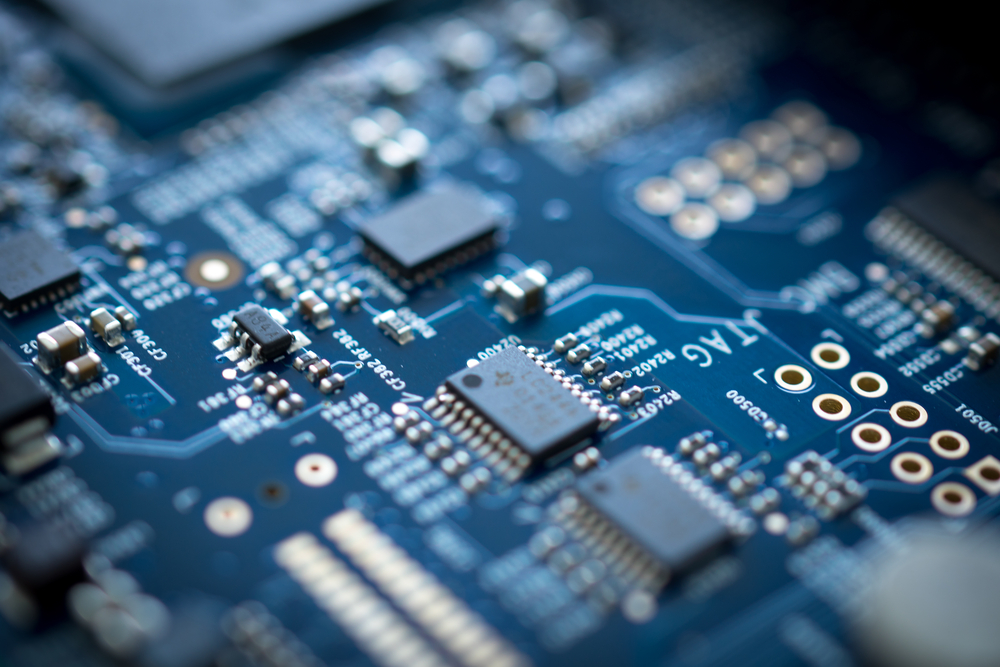
Brazil's Tech Dilemma: Dependence on Chinese Semiconductors Fuel Growth and Risk
Brazil’s Tech Dilemma: Dependence on Chinese Semiconductors Fuel Growth and Risk.
One-stop reference
Company Intelligence
Every listed company in Latin America — financials, ownership and structure for 1,450+ companies across 26 exchanges, in one place.
Browse the directory →
RT
Ask Rio Times
Latin American markets, currencies and companies.
Open the full Ask Rio Times →

As the global semiconductor industry faces potential division into two competing ecosystems – one led by the US and its allies, and another by China – Brazil finds itself in a precarious position.

Navigating the Global Tech Divide

The country’s increasing integration into the Chinese tech ecosystem could have severe consequences. There’s a real risk that Brazil could face bans or high tariffs on its tech exports, particularly if a future US administration adopts policies similar to those of the Trump era.

This situation is further complicated by the cyclical nature of the semiconductor industry. The volatility of this sector, combined with Brazil’s dependence on Chinese imports, could leave Brazilian industries vulnerable to sudden supply chain disruptions.

Chips of Power: The Role of Semiconductors in the Battle for Global Dominance

A shift in global dynamics could severely impact Brazil’s manufacturing base, which increasingly relies on Chinese components. The implications extend beyond the tech sector.

Brazil’s entire economy could feel the ripple effects if its tech products, tainted by association with Chinese technology, find themselves locked out of key markets.

This scenario underscores the delicate balance Brazil must strike between leveraging Chinese imports for growth and modernization and mitigating the risks of overreliance on a single source.

As global tech tensions simmer, Brazil’s path forward requires careful navigation. Diversifying supply chains and fostering domestic semiconductor capabilities could provide some insulation from geopolitical shocks.

However, such transitions are neither quick nor easy, especially given the complex nature of semiconductor manufacturing. The unfolding drama in the global semiconductor industry serves as a cautionary tale for Brazil.

It highlights the need for strategic foresight and flexibility in an increasingly polarized tech world. The country’s technological future may well depend on how it navigates these turbulent waters, balancing economic opportunities with geopolitical realities.

This article was produced by The Rio Times’ automated newsroom system. How we use AI · Report an error

Read More from The Rio Times

The Rio Times · Power Map
See who really holds power in Latin America
Click to open the Power Map

Rotate for Best Experience

This report is optimized for landscape viewing. Rotate your phone for the full experience.